In the fast-paced world of KartRider, teamwork isn’t just a bonus—it’s a game-changer. Coordinating with your teammates can turn a close race into a decisive victory, especially when every second counts.
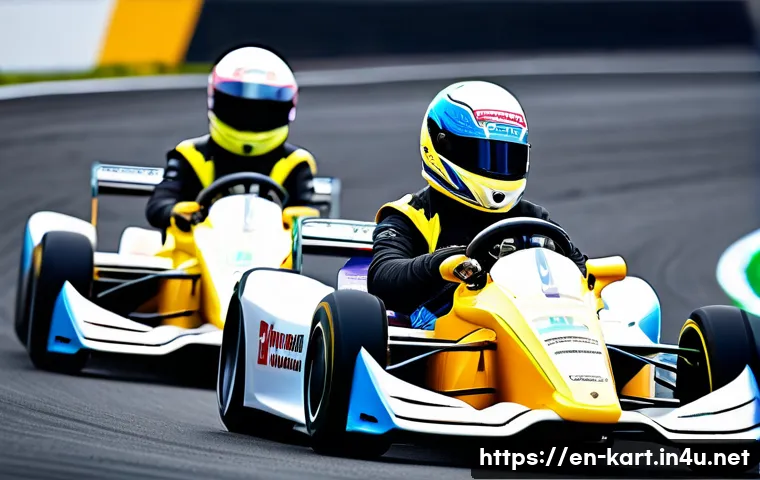
Understanding each player’s strengths and working in sync amplifies your chances of dominating the track. From strategic item use to positioning, effective team play creates a dynamic that solo efforts simply can’t match.
Ready to boost your racing skills by mastering collaboration? Let’s dive deeper and explore why teamwork is the key to winning in KartRider!
Mastering Communication for Seamless Coordination
Building Quick and Clear Signals
In the heat of a KartRider race, every millisecond counts, and clear communication can be the difference between a tight finish and an outright win. Developing quick signals or shorthand phrases with your teammates helps everyone stay on the same page without breaking focus on the track.
For instance, a simple callout like “shield up” or “boost now” instantly lets your team react in sync, maximizing the effectiveness of power-ups and defensive moves.
When I played with friends who nailed this, it felt like we were almost anticipating each other’s moves, which gave us a huge edge over less coordinated teams.
Using Voice Chat to Enhance Real-Time Decisions
Voice communication tools have transformed team-based KartRider play by enabling instant feedback and strategic adjustments mid-race. Unlike typing, which is slow and impractical during high-speed races, voice chat allows teammates to quickly warn about incoming attacks, suggest positioning changes, or share item status.
I’ve noticed that teams using voice chat tend to have better item timing and fewer collisions, because players can adapt fluidly to the evolving race scenario.
It’s like having a tactical coach whispering advice as the race unfolds.
Reading Your Teammates’ Playstyles
Understanding how each teammate approaches the race—whether aggressive, defensive, or balanced—helps tailor your communication and strategy. If you know someone loves to use speed boosts aggressively, you can plan to support their rush by holding defensive items or blocking opponents.
On the other hand, if a teammate prefers defensive play, you might focus on creating openings and disrupting rivals for them. This awareness turns a collection of players into a well-oiled unit.
Personally, syncing with teammates’ tendencies has saved me from countless last-minute upsets and made victories feel like a shared triumph.
Strategic Item Management That Elevates the Whole Team
Coordinated Item Usage for Maximum Impact
KartRider’s items aren’t just random power-ups; when used with strategy, they become tactical tools that can shift the race momentum. Coordinating item usage with your team can create combos that trap opponents or protect your lead.
For example, deploying a shield right before your teammate triggers a speed boost can guarantee they stay safe while maximizing speed. I’ve often seen how well-timed banana peels combined with targeted shots can cause rival teams to stumble, turning a tight race into a clear win.
Sharing Items and Prioritizing Roles
In team races, not every player needs the same item at the same time. Sometimes, it’s better for one player to hold defensive items like shields or bananas while another focuses on offensive weapons like rockets or missiles.
This division of roles minimizes wasted items and ensures the team can respond to different threats simultaneously. From experience, when teammates clearly define who carries what, it reduces chaos and increases efficiency on the track.
Timing and Patience in Item Deployment
One of the trickiest parts of team item management is knowing when to use or hold onto an item. Using a rocket too early might miss the perfect opportunity, while waiting too long can waste its potential.
I’ve learned that patience often pays off, especially when teammates signal the right moment to unleash their power-ups. This shared timing creates a domino effect that can knock out several opponents at once, a tactic that’s incredibly satisfying when executed flawlessly.
Optimizing Team Positioning to Control the Race
Maintaining Formation for Mutual Support
Good positioning isn’t just about leading the pack; it’s about protecting your teammates and controlling space on the track. A well-maintained formation ensures that if one player gets targeted, others can quickly provide cover or distract opponents.
I’ve found that staying close but not too cramped allows quick passing and item sharing while minimizing the risk of accidental collisions. This balance is crucial in tight races where every move matters.
Using Defensive and Offensive Lines
Teams can adopt different positioning strategies depending on their race goals. A defensive line prioritizes shielding the lead player from attacks, while an offensive line focuses on pushing forward aggressively to disrupt rivals.
Switching between these lines mid-race based on the situation can confuse opponents and create openings. Playing with teammates who understood when to switch roles kept our races unpredictable and exciting.
Adapting to Track Layouts and Opponent Behavior
Every KartRider track has its quirks—sharp turns, narrow lanes, or tricky shortcuts—that affect how teams position themselves. Similarly, observing your opponents’ tendencies helps decide whether to play aggressively or more cautiously.
I recall a race where our team noticed a rival frequently overusing speed boosts on a curve, so we adjusted by placing obstacles right after that turn, causing them to lose momentum.
This adaptability is a hallmark of strong team play.
Leveraging Individual Strengths for Collective Success
Identifying Each Player’s Unique Skills
No two racers are alike; some excel at precision driving, others at aggressive item use or defensive tactics. Recognizing these differences lets the team assign roles that maximize each player’s contribution.
I once teamed up with a player who had amazing drifting skills, so we relied on them to take tight corners while others focused on item control. This clear understanding of strengths boosted our overall performance significantly.
Encouraging Flexibility and Role Rotation
While specialization helps, rotating roles occasionally keeps the team versatile and unpredictable. Trying out different positions or tactics also deepens the team’s overall skill set.
I personally experienced how switching from an offensive to a defensive role gave me new insights into the game’s dynamics and improved my teamwork. Encouraging this flexibility fosters a supportive environment where everyone feels valuable and motivated.
Supporting Teammates Through Positive Feedback
Racing together can be intense, and mistakes happen. Maintaining a positive attitude and encouraging teammates builds morale and strengthens bonds. I’ve noticed that teams who celebrate small wins and constructively address errors tend to perform better over time.
Simple phrases like “Nice save!” or “Great timing!” can boost confidence and keep everyone focused on collective success.
Analyzing Race Data to Improve Team Performance
Tracking Lap Times and Item Usage Patterns
Reviewing race statistics helps identify where the team excels and where improvements are needed. For example, consistent slowdowns in a specific section might indicate poor coordination or positioning.
Monitoring item usage also reveals if certain power-ups are underutilized or wasted. I started using simple spreadsheets with my team to log these details, and it quickly highlighted patterns we hadn’t noticed during the heat of the race.
Setting Realistic Goals and Measuring Progress
Having clear objectives like improving lap times or reducing item mistakes gives the team a shared focus. It’s motivating to see progress quantified over time, reinforcing the benefits of teamwork.
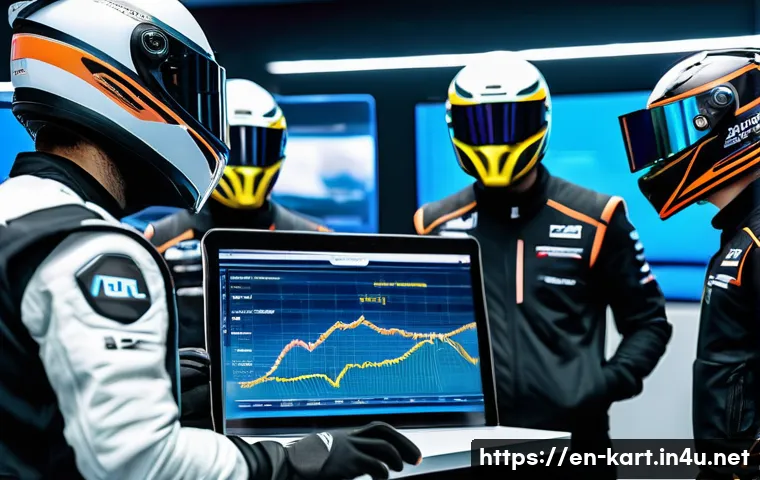
From experience, setting small milestones like “Complete three races with no item collisions” keeps practices engaging and purposeful.
Reviewing Race Footage for Tactical Insights
Watching recordings of your races can reveal subtle opportunities or errors missed in real-time. This practice has helped my team recognize moments when we could have communicated better or repositioned more effectively.
It’s like getting an outside coach’s perspective, which is invaluable for refining strategies and building trust among teammates.
Essential Roles Within a KartRider Team
The Lead Racer: Setting the Pace
The lead racer often dictates the team’s rhythm and must balance speed with caution. They’re usually the most skilled driver, capable of maintaining a strong position while navigating complex track sections.
In my experience, a confident lead racer inspires the whole team and provides a target for teammates to support.
The Support Driver: Defense and Disruption
Support drivers focus on protecting the lead racer and disrupting opponents. This role involves using defensive items to shield teammates and offensive items to block or slow rivals.
Playing this role taught me how critical timing and awareness are—knowing exactly when to deploy an item can make or break the team’s chances.
The Strategist: Communication and Coordination
While every player contributes to strategy, having someone naturally inclined to read the race and communicate plans is a huge asset. This person often calls out upcoming hazards, item opportunities, or when to switch tactics.
I’ve found that having a designated strategist reduces confusion and keeps everyone aligned under pressure.
Balancing Aggression and Patience for Team Success
Knowing When to Push Forward
Aggression can build leads quickly but also risks mistakes or wasted items. Understanding when to push hard versus when to hold back is a skill that develops through experience and teamwork.
I remember races where our team’s patience in the middle laps paid off by avoiding crashes, allowing a strong finish.
Waiting for the Perfect Moment
Sometimes, the smartest move is to stay calm and wait for opponents to slip up. This patience can set the stage for a late-race surge or a well-timed item use that changes the outcome dramatically.
Practicing this balance taught me how emotional control is just as important as racing skills.
Encouraging Team-wide Composure
Keeping a cool head across the team prevents panic and impulsive decisions. When one teammate stays calm, it often steadies others, creating a positive feedback loop.
In my races, teams that maintained composure under pressure consistently outperformed those that rushed into risky moves.
Comparing Team Play Styles and Their Impact
Aggressive Versus Defensive Approaches
Teams often choose between aggressive play, which aims to dominate through speed and attacks, and defensive play, which prioritizes survival and disruption.
Both have pros and cons: aggressive teams can build early leads but risk crashes, while defensive teams may last longer but struggle to gain ground. Finding the right balance based on your team’s strengths is key.
Communication-Focused Versus Individual Skill-Driven Teams
Some teams rely heavily on communication and coordination, while others depend more on individual player skills. From my experience, communication-focused teams tend to be more consistent, especially in tight races where strategy trumps raw speed.
However, individual skill can sometimes carry a team through challenging moments.
Adapting Play Styles Mid-Race
The best teams are flexible, able to switch between styles as the race unfolds. For example, starting defensively to avoid early crashes, then shifting to aggression in the final laps.
This adaptability requires trust and quick decision-making, qualities I’ve seen in top-tier teams that consistently win tournaments.
| Team Role | Key Responsibilities | Recommended Items | Typical Playstyle |
|---|---|---|---|
| Lead Racer | Set pace, navigate track efficiently, maintain lead | Speed boosts, shields | Balanced aggressive |
| Support Driver | Protect lead racer, disrupt opponents | Bananas, missiles, shields | Defensive/aggressive mix |
| Strategist | Communicate, coordinate item use and positioning | Varies based on situation | Adaptive and observant |
글을 마치며
Mastering teamwork in KartRider goes beyond just racing fast; it’s about clear communication, strategic item use, and understanding each other’s strengths. When these elements come together, the team’s performance elevates, making races not only more competitive but also more enjoyable. From my experience, practicing these skills consistently transforms casual play into a winning formula. Remember, teamwork is the secret weapon that separates good players from great ones.
알아두면 쓸모 있는 정보
1. Consistent voice communication drastically improves real-time coordination and reduces mistakes during high-pressure moments.
2. Assigning specific roles based on individual strengths helps streamline item usage and race strategy, preventing overlap and confusion.
3. Patience in item deployment often leads to more impactful plays than rushing to use power-ups immediately.
4. Adapting team positioning to both track layouts and opponent behavior can create crucial advantages in tight races.
5. Regularly reviewing race data and footage provides objective insights that refine strategies and boost overall team synergy.
중요 사항 정리
Effective KartRider team play hinges on seamless communication, strategic item management, and adaptive positioning. Each player’s unique skills should be recognized and leveraged through clearly defined roles, while maintaining flexibility to shift tactics as needed. Patience and composure keep the team focused under pressure, and ongoing analysis of race performance ensures continuous improvement. Ultimately, success is built on trust, coordination, and a shared commitment to teamwork.
Frequently Asked Questions (FAQ) 📖
Q: How can teamwork improve my performance in KartRider?
A: Teamwork in KartRider allows you to leverage each player’s unique strengths, such as speed, item usage, or defensive skills. When teammates coordinate their strategies—like timing item attacks or blocking opponents—it creates opportunities that solo players often miss.
From my experience, races where I communicated and synced with my team felt more controlled and less chaotic, leading to more consistent wins and a lot less frustration.
Q: What are the best ways to communicate effectively with teammates during a race?
A: Quick and clear communication is crucial. Using voice chat or simple pre-set signals can help you share vital info like when to use items, when to defend, or when to push for the lead.
I’ve found that establishing a few go-to phrases before the race keeps everyone on the same page without overwhelming each other during intense moments.
Even just a quick “item ready” or “block now” can make a huge difference in tight races.
Q: Are there specific roles team members should take on in KartRider to maximize success?
A: Absolutely. Assigning roles based on each player’s strengths—like a speedster who focuses on leading the pack, a strategist who manages item deployment, and a defender who blocks opponents—can elevate the whole team’s performance.
I’ve noticed that when everyone knows their role and trusts each other to play it well, the race flows smoother and team victories become way more frequent.
It’s all about complementing each other’s playstyles.