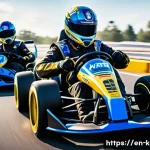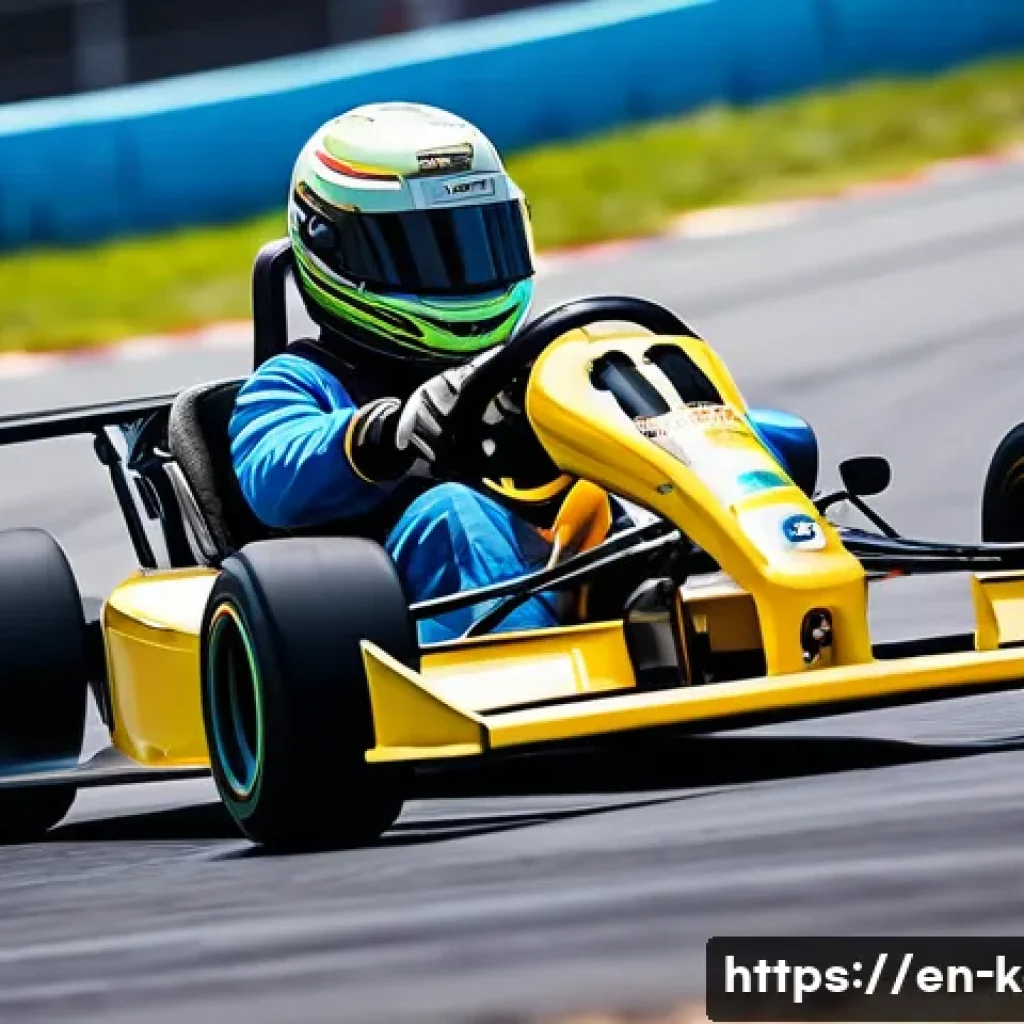
Mastering tricks in KartRider can seriously elevate your gameplay, turning you from a casual racer into a true contender. It’s not just about flashy moves; successful tricks can boost your speed, help you avoid obstacles, and outmaneuver opponents.
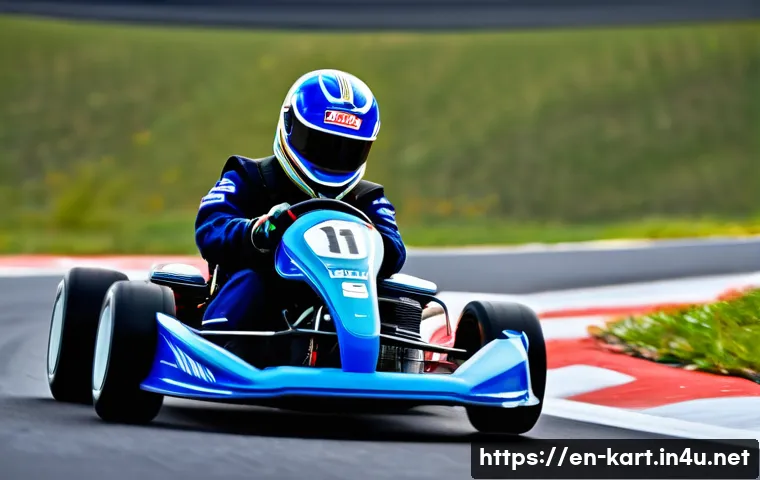
However, pulling off these tricks consistently takes more than just luck—it requires precise timing, practice, and understanding the game’s mechanics.
From subtle drifts to complex aerial spins, each trick has its own rhythm and strategy. If you’re eager to up your success rate and leave your rivals in the dust, we’ve got you covered.
Let’s dive deep and explore how to nail those tricks every single time!
Mastering Drift Techniques for Maximum Speed
Understanding the Basics of Drifting
Drifting is one of the fundamental skills that separate casual KartRider players from serious competitors. It’s not just about steering sharply; it’s about controlling your kart’s momentum to maintain speed through corners.
When I first started practicing, I realized that the timing of your drift initiation is crucial. If you start too early, you lose speed; too late, and you might crash into walls or other racers.
The key is to begin the drift just as you approach the turn, allowing your kart to slide smoothly while holding the boost button. This controlled slide keeps your speed up and positions you perfectly for a quick exit out of the corner.
Advanced Drift Boosting Strategies
Once you’re comfortable with basic drifting, the next step is to combine it with boost management. When you drift, the game charges a boost meter that you can release for a speed burst.
I found that learning when to release the boost significantly impacts lap times. For example, releasing the boost too early before the turn means you’ll lose speed mid-corner, whereas holding it too long may cause you to overshoot.
A trick I use is to time the boost release right at the moment my kart straightens after the turn, maximizing forward momentum. Additionally, chaining drifts through consecutive corners can stack boosts, but it requires sharp control and practice to avoid mistakes.
Common Drift Mistakes and How to Fix Them
One of the biggest pitfalls I encountered was overdrifting—when your kart slides too far and hits the wall or slows down. This usually happens when players hold the drift too long or apply too much steering input.
To correct this, I started paying attention to the feedback from my kart’s handling and adjusted the drift angle accordingly. Another frequent error is releasing the boost too soon or too late, which can throw off your rhythm.
To overcome this, I practiced on tracks with various corner types, learning the unique timing each requires. Over time, muscle memory kicked in, making these adjustments second nature.
Perfecting Aerial Tricks for Competitive Edge
The Role of Jumps in KartRider
Jumps aren’t just flashy stunts; they can be powerful tools for gaining speed and dodging hazards. I noticed that mastering aerial tricks adds a new dimension to gameplay, especially on tracks with ramps and elevation changes.
When you hit a jump, the angle and timing of your kart’s takeoff influence your landing speed and positioning. If you launch too early or too late, you risk losing momentum or crashing.
I learned to approach jumps at a consistent speed and angle, which allowed me to land smoothly and maintain my racing line.
Executing Spins and Flips Mid-Air
Spins and flips are more than just for show; they can help reset your kart’s orientation and even trigger speed boosts upon landing. Pulling off these tricks requires precise control of the joystick or arrow keys during airtime.
When I first tried spins, I found that rotating too quickly caused my kart to land awkwardly, losing precious speed. The sweet spot is a controlled, fluid spin that finishes right before touching the ground.
Practicing on less crowded tracks helped me nail the timing without pressure from opponents, and I gradually incorporated these moves into real races for that extra advantage.
Timing Your Landings for Optimal Speed
The moment your kart touches down after a jump is just as important as the jump itself. I discovered that landing with your kart’s wheels aligned properly can prevent speed loss and maintain momentum.
A bad landing often leads to skidding or even crashes, which can cost you precious seconds. To improve, I focused on adjusting my kart’s angle mid-air, using subtle joystick movements to ensure a smooth touchdown.
Over time, this helped me maintain a consistent racing rhythm and execute aerial tricks without compromising speed.
Strategic Use of Boost Items and Power-ups
Choosing the Right Moment to Use Boosts
Boost items are game-changers in KartRider, but using them at the wrong time can be counterproductive. From my experience, the best moments to deploy boosts are on straightaways or exiting corners where you’ve just completed a drift.
Using boosts mid-corner often results in loss of control or collisions. I also learned that anticipating opponents’ moves—like saving a boost to escape a trap or overtake—makes a big difference.
Timing and situational awareness are key; it’s not just about blasting ahead but doing so smartly.
Combining Power-ups for Maximum Effect
When playing modes that allow power-ups, combining them strategically can turn the tide of a race. For example, pairing a speed boost with defensive items like shields helps maintain your lead while protecting against attacks.
I experimented with stacking offensive and defensive power-ups, learning which combinations work best against different opponents and track layouts. This trial-and-error approach gave me an edge, especially in multiplayer matches where adaptability is crucial.
Managing Your Inventory During Races
Inventory management might sound boring, but in KartRider, it’s a subtle skill that impacts your trick success and overall race performance. I made it a habit to monitor my power-ups constantly and decide whether to use them immediately or save them for critical moments.
For instance, holding onto a boost until after a tricky section can help recover lost time, while using a defensive item early might prevent a fatal hit.
This balance between aggression and caution became an integral part of my racing strategy.
Fine-tuning Your Kart Setup for Better Handling
Choosing the Right Kart and Tires
Kart customization isn’t just cosmetic; it profoundly affects how your kart handles tricks and speed. I spent hours testing different karts and tire combinations to find the perfect balance between speed, acceleration, and drift control.
Some karts excel at sharp turns but lack top speed, while others have great acceleration but are harder to control mid-air. Tires also influence grip and drift stability, so selecting the right set can make a noticeable difference when performing advanced tricks.
Adjusting Performance Settings for Your Playstyle
KartRider offers various performance tweaks like acceleration, handling, and boost power. I adjusted these settings based on my strengths and the types of tracks I raced on.
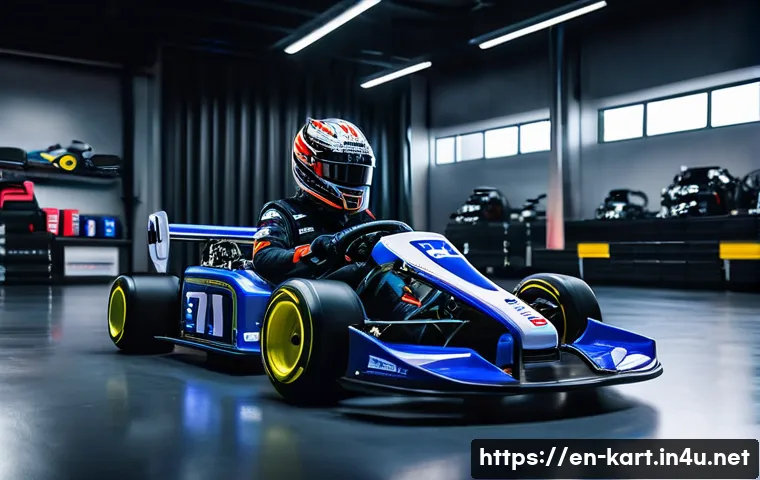
For instance, on technical tracks with many turns, I prioritized handling and drift stability, whereas on speed-focused tracks, I boosted acceleration and top speed.
This customization allowed me to tailor my kart’s behavior, making it easier to execute tricks consistently and confidently.
Regular Maintenance and Upgrades
Keeping your kart in top shape means regularly upgrading parts and checking performance stats. I made it a point to invest in upgrades that enhanced drift responsiveness and boost duration, as these directly impact trick execution.
Skipping upgrades can leave you at a disadvantage, especially against players who optimize their karts. Staying on top of maintenance and upgrades ensures your kart performs reliably when you need it most.
Mastering Track-Specific Strategies
Learning the Layouts and Trick Spots
Every KartRider track has unique features that demand different trick strategies. I spent time memorizing key sections where tricks like drifts, jumps, or boosts are most effective.
Knowing where to start a drift or launch a jump can shave off seconds from your lap time. For example, some tracks have tight hairpin turns that reward precise drifting, while others feature long straight ramps perfect for aerial tricks.
This knowledge comes from repeated practice and watching high-level gameplay.
Adapting to Dynamic Track Elements
Many tracks include moving obstacles, changing surfaces, or shortcuts that can disrupt your trick flow. I learned to anticipate these elements and adjust my approach accordingly.
For instance, slowing down slightly before a moving barrier allows for a cleaner trick execution afterward. Ignoring these dynamics often leads to crashes or failed tricks.
Being flexible and alert helps maintain consistency, especially in competitive environments.
Using Track Features to Your Advantage
Some tracks have hidden paths or boost pads that can amplify your speed or give you an edge in trick execution. I discovered that mastering these features can be the difference between winning and finishing mid-pack.
For example, hitting a boost pad right after a drift can extend your speed burst, while shortcuts can help you bypass tricky sections. Experimenting with these features during practice runs gave me a significant advantage during races.
Improving Reaction Time and Consistency
Training Your Reflexes for Quick Responses
Tricks often require split-second decisions and precise inputs. I improved my reaction time by practicing reaction drills and playing regularly to build familiarity with timing cues.
For example, anticipating when a corner approaches or an obstacle appears allows you to prepare your drift or jump in advance. Consistent practice sharpened my reflexes, making trick execution feel more natural and less forced.
Building Muscle Memory Through Repetition
One of the biggest breakthroughs in my gameplay came from repetition. By running the same tracks multiple times, I trained my hands and eyes to sync automatically with the required tricks.
This muscle memory reduces mental load during races, letting me focus on strategy and opponents instead of mechanics. I recommend breaking down complex tricks into smaller steps and practicing them individually before combining them in full runs.
Staying Calm Under Pressure
Even the best players mess up if they panic during intense moments. I found that maintaining calmness and composure is essential to consistently landing tricks.
When pressure builds, slowing your breathing and focusing on the immediate task helps prevent rushed or sloppy inputs. I also remind myself that mistakes happen and to quickly reset mentally for the next opportunity.
This mindset shift improved my overall performance and enjoyment of the game.
| Trick Type | Key Focus | Common Mistakes | Improvement Tips |
|---|---|---|---|
| Drifting | Timing and angle control | Overdrifting, early/late boost release | Practice approach timing, adjust steering inputs |
| Aerial Tricks | Jump angle, mid-air control | Awkward landings, spinning too fast | Consistent speed on jumps, controlled spins |
| Boost Usage | Strategic timing, inventory management | Using boosts mid-corner, poor timing | Save boosts for straightaways, anticipate opponents |
| Kart Setup | Balance of speed, handling, drift | Ignoring upgrades, poor kart/tire choice | Test different setups, prioritize handling and boost |
| Track Strategy | Layout knowledge, dynamic elements | Ignoring obstacles, missing shortcuts | Memorize tracks, adapt to changes |
| Reaction & Consistency | Reflex training, muscle memory | Rushing inputs, panicking | Practice drills, stay calm during races |
글을 마치며
Mastering drifting and aerial tricks in KartRider transforms your gameplay from casual to competitive. Through consistent practice and understanding track dynamics, you’ll gain the edge needed to outpace opponents. Remember, balancing kart setup, boost usage, and reaction time is essential for sustained success. Keep experimenting and refining your techniques to enjoy both improved performance and more thrilling races.
알아두면 쓸모 있는 정보
1. Timing your drifts precisely can save valuable seconds during tight corners and drastically improve lap times.
2. Combining boosts with defensive power-ups strategically helps you maintain leads and fend off attacks in multiplayer races.
3. Practicing aerial tricks on less crowded tracks builds confidence and muscle memory before using them in competitive matches.
4. Regularly upgrading your kart’s parts enhances drift responsiveness and boost duration, key factors in high-level play.
5. Staying calm under pressure improves focus, allowing for consistent execution of complex tricks even in intense moments.
중요 사항 정리
Consistent practice of drift timing and boost release is crucial to maintaining speed and control. Understanding track layouts and adapting to dynamic obstacles will help you optimize your racing line and trick execution. Proper kart customization tailored to your playstyle enhances handling and acceleration, giving you a competitive advantage. Managing power-ups wisely and keeping a calm mindset during races ensures you make smart decisions under pressure. Ultimately, blending these elements together elevates your KartRider performance to a professional level.
Frequently Asked Questions (FAQ) 📖
Q: How can I improve my timing to perform tricks more consistently in KartRider?
A: Improving timing is all about practice and understanding the flow of each track. Start by familiarizing yourself with the layout and where trick opportunities arise, like ramps or sharp turns.
When attempting a drift or an aerial spin, try to anticipate the exact moment to start your move—usually right before you hit the ramp or turn. One tip I found helpful is to watch replays of top players and mimic their timing.
Also, don’t rush; smooth, well-timed inputs beat frantic button mashing every time.
Q: Which tricks in KartRider give the best speed boost during races?
A: Drifting and the subsequent boost you get after releasing the drift is a classic way to gain speed. Mastering the drift boost combo is essential because it not only increases your velocity but also helps you maintain control around corners.
Another trick that’s underrated is the aerial spin after hitting a jump—if timed correctly, it can give a nice speed burst upon landing. From my experience, focusing on these two tricks has made the biggest difference in closing gaps or pulling ahead of opponents.
Q: What’s the best way to practice complex tricks without losing too much race time?
A: The key is to practice tricks outside of competitive races first. Use practice mode or time trials where you can repeat sections without pressure. Break down complex tricks into smaller parts—like mastering a drift before adding an aerial spin.
When you’re comfortable, incorporate them gradually into actual races, starting with less crowded tracks to avoid collisions. Personally, dedicating short daily sessions to focused trick practice helped me build confidence without sacrificing my overall race performance.