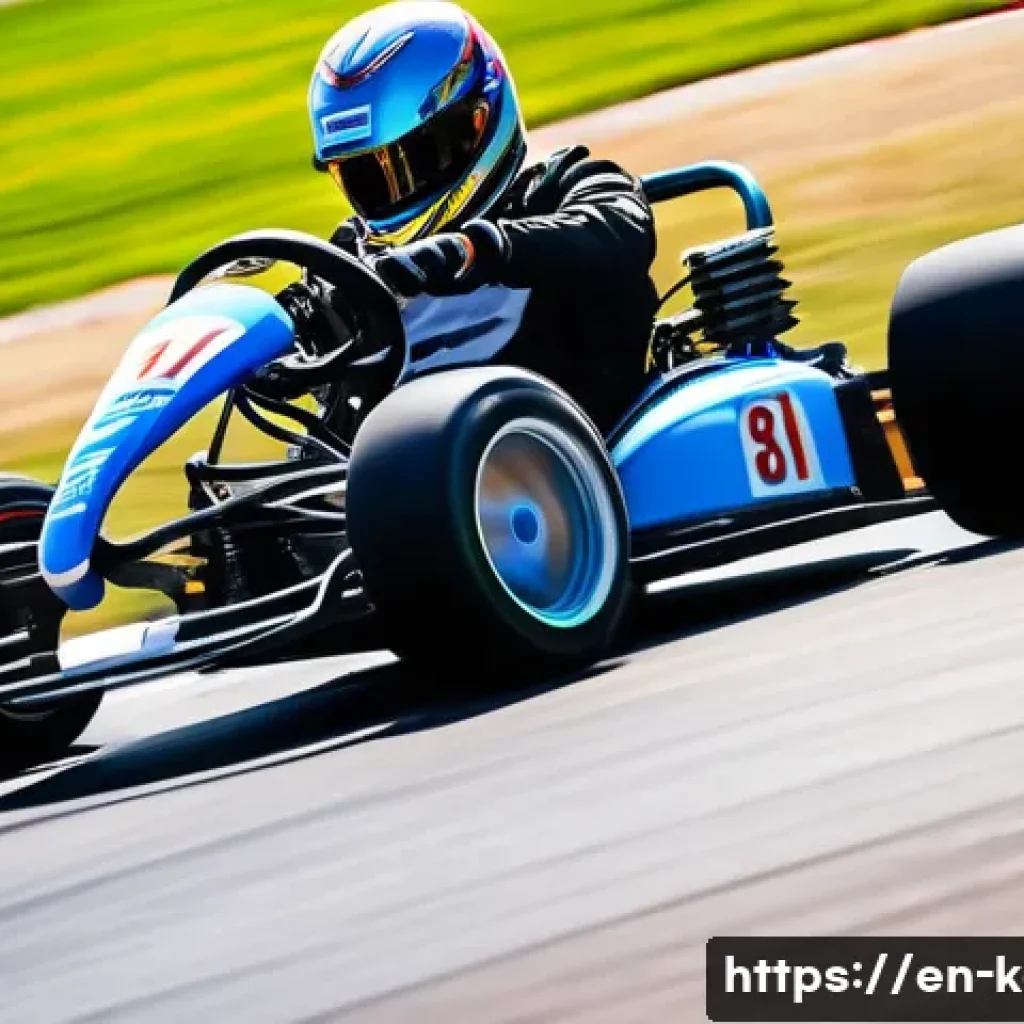
Getting the hang of drifting in kart racing games can feel like unlocking a whole new level of excitement and control. For beginners, mastering this technique not only boosts your speed around tight corners but also elevates your overall gameplay experience.
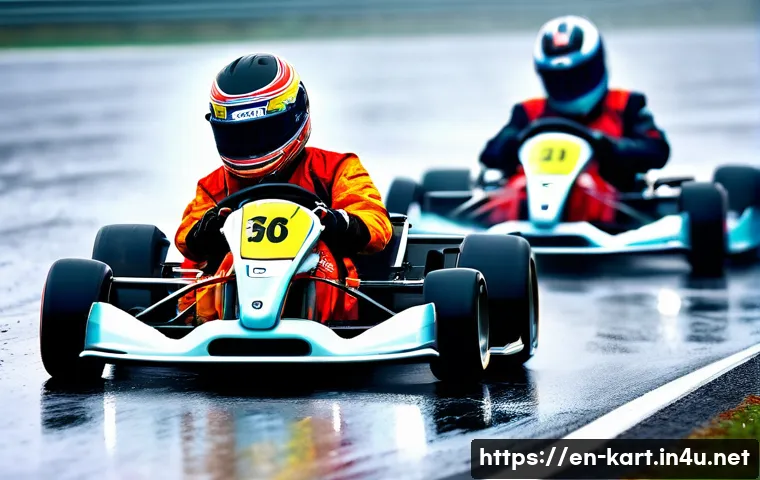
While it might seem tricky at first, understanding the basics of drift timing and angle can make all the difference. With practice, you’ll find yourself seamlessly sliding through turns and leaving your opponents in the dust.
Ready to take your skills up a notch? Let’s dive into the details and make sure you drift like a pro!
Understanding the Fundamentals of Kart Drifting
What Makes Drifting Essential in Kart Racing?
Drifting isn’t just a flashy move; it’s a game-changer when it comes to shaving off precious seconds on the track. In kart racing games, tight corners can slow you down drastically if you don’t handle them right.
By mastering drift, you can maintain your speed while smoothly sliding through turns, which keeps your momentum high. From my experience, the difference between a decent lap time and a top-tier run often boils down to how well you drift.
It’s like learning to dance with the kart—once you get the rhythm, everything flows naturally.
Key Concepts: Drift Timing and Angle
Getting the timing right is crucial. Start your drift just before you hit the apex of the turn, not too early and definitely not too late. If you initiate too soon, you might lose control or speed; too late, and you’ll end up hitting the walls or running wide.
The angle of your drift also plays a big role. Too sharp, and you’ll spin out; too shallow, and you’ll slide off the racing line. I found that adjusting the drift angle based on the corner’s sharpness and kart’s speed is a skill you develop with practice.
Don’t be discouraged if it feels awkward at first—patience is key.
How Different Karts Affect Your Drift Style
Not all karts handle drifting the same way. Some have tighter turning radii or better grip, making them more forgiving when sliding through corners. Others might require more precise control to avoid losing speed.
Personally, I gravitated towards karts with balanced handling because they gave me room to experiment with drifting without punishing mistakes too harshly.
If you’re just starting, try out different karts to see which one feels right for your drifting style. This experimentation can make learning more enjoyable and tailored to your preferences.
Mastering Controls for Smooth Drifts
Choosing Between Analog and Digital Inputs
The type of controller you use can drastically change your drifting experience. Analog sticks offer nuanced control over steering and throttle, allowing you to fine-tune your drift angle and speed.
On the other hand, digital inputs (like arrow keys or D-pads) are more binary—either you’re turning or you’re not, which can make smooth drifting harder.
I found that switching to an analog controller made a noticeable difference in my precision. If you’re serious about improving, investing in a good gamepad with analog sticks is worth considering.
Balancing Acceleration and Brake for Optimal Drift
Drifting isn’t just about steering; managing your speed is equally important. Too much acceleration, and you risk spinning out mid-drift; too much braking, and you lose momentum.
The secret lies in feathering both pedals to keep your kart balanced. For example, gently easing off the accelerator as you enter the drift and tapping the brake lightly can help initiate a smoother slide.
It took me a while to get the hang of this balance, but once I did, my cornering speed improved dramatically.
Practice Drills to Build Muscle Memory
Muscle memory is your best friend when learning to drift. Repetition of simple drills, like drifting around a single corner repeatedly, helps your hands and eyes sync up.
I started with slow-speed corners to feel how my kart reacted before moving on to faster turns. Recording your gameplay and reviewing it can also highlight areas where you’re either oversteering or underdrifting.
Consistent practice is the only way to make drifting second nature.
Reading Tracks and Planning Your Drift Lines
Analyzing Corners for Best Drift Approach
Each track has its own personality, and understanding the shape of corners is critical. Wide, sweeping turns might require a longer drift with a gentle angle, while tight hairpins call for quick, sharp slides.
I usually take a mental note of the upcoming corners during practice laps and plan my drift lines accordingly. This planning helps avoid last-minute panic and allows for smoother execution.
Using Racing Lines to Maximize Speed
The ideal racing line isn’t always the shortest path—it’s the fastest one. When drifting, you want to maintain a line that lets you exit corners with maximum acceleration.
This often means approaching the turn from the outside, drifting through the apex, and exiting wide before cutting back in. I noticed that following these lines consistently knocked seconds off my lap times, especially in longer races where every bit counts.
Adjusting for Track Surface and Weather Conditions
Some games simulate different track surfaces like asphalt, dirt, or wet roads, which can affect how your kart drifts. For example, drifting on wet surfaces usually means less grip and longer slides, requiring gentler inputs.
I remember playing a kart game where sudden rain changed the entire handling dynamic. Learning to adjust your drift style to these conditions can give you a serious edge over opponents who stick to one method.
Common Mistakes and How to Avoid Them
Oversteering and Spinning Out
One of the biggest challenges beginners face is oversteering, which leads to spinning out. This happens when you turn the kart too sharply during the drift or apply too much throttle.
I’ve been there—losing a race lead because I got too aggressive on a corner. The fix is to ease off the steering input slightly and manage your speed carefully.
Remember, controlled drifting is about balance, not brute force.
Ignoring Drift Recovery Techniques
Sometimes, despite your best efforts, a drift can go sideways. Knowing how to recover quickly is crucial. This might involve counter-steering or gently tapping the brake to regain traction.
When I first learned to recover, it saved me from wrecking several races. Practicing recovery moves separately can build confidence so you don’t panic mid-race.
Failing to Adapt to Different Karts and Tracks
Using the same drifting technique on every kart and track won’t work. Each combination demands slight adjustments. I used to stick to one drifting method until a friend pointed out how much faster I could be by tweaking my approach based on the kart’s handling and the track layout.
Stay flexible and keep experimenting to find what works best for each scenario.
Optimizing Drift for Competitive Play
Combining Drift with Boost Mechanics
Many kart racing games include boost systems that can be triggered after successful drifts. Timing your drift to maximize boost meter buildup can give you a significant speed advantage.
I found that chaining drifts through consecutive corners keeps your boost ready for a powerful burst on the straightaway. Learning this synergy can turn you from a casual player into a serious contender.
Using Drift to Outsmart Opponents
Beyond speed, drifting can be a strategic tool to outmaneuver rivals. A well-executed drift can help you cut inside on turns, block opponents’ paths, or slip through tight gaps.
I recall a race where perfectly timed drifts let me overtake three players in a row, simply because I maintained better control in tricky sections. Pay attention to your competitors’ movements and use drifting to create opportunities.
Training Your Reflexes for Reactive Drifting
In competitive settings, you rarely have the luxury to plan every drift perfectly. Sometimes, you’ll need to react instantly to unexpected obstacles or changes in the race.
Developing quick reflexes through varied practice sessions is key. I mix up my practice by racing against AI with unpredictable behavior or joining online matches where no two races are the same.
This helps me stay sharp and adaptable.
Drift Techniques and Kart Handling Comparison
| Kart Type | Drift Difficulty | Best Drift Angle | Recommended Controller | Ideal Track Type |
|---|---|---|---|---|
| Balanced Kart | Medium | Moderate (30-45°) | Analog Gamepad | Mixed curves and straights |
| High Grip Kart | Easy | Shallow (15-30°) | Analog Gamepad | Technical tracks with tight corners |
| High Speed Kart | Hard | Sharp (45-60°) | Advanced Gamepad with triggers | Open tracks with long straights |
| Drift-Specialized Kart | Medium-Hard | Wide (40-55°) | Analog Gamepad | Tracks with many hairpins and chicanes |
Gear and Settings to Enhance Your Drift Performance
Controller Sensitivity Adjustments
Tweaking controller sensitivity can make a world of difference. If your steering is too sensitive, you might overcorrect and lose control; too low, and your kart feels sluggish.
I experimented with different sensitivity levels until I found a sweet spot where I could easily modulate my drift angle without abrupt jerks. Most games allow this customization in settings, so don’t hesitate to fine-tune it.
Customizing Drift Assist Features
Some kart games offer drift assist options that help beginners by automatically adjusting your kart’s slide. While useful at first, relying too much on these assists can stunt your skill growth.
I recommend gradually reducing assist settings as you improve to build confidence and precision. Eventually, you’ll want to master drifting without any aid for the best results.
Using Headphones for Better Focus and Timing
Audio cues like tire screeches, engine sounds, and boost alerts are invaluable for timing your drifts. Wearing headphones can help you pick up on these subtle sounds, improving your reaction time.
I often find myself more immersed and focused with good audio, which naturally leads to cleaner drifts. Plus, blocking out background noise helps maintain concentration during intense races.
Wrapping Up
Mastering kart drifting takes time and dedication, but the payoff is huge in both performance and enjoyment. Once you get comfortable with the techniques and controls, racing becomes more fluid and exciting. Remember, practice and adaptability are your best allies on the track. Keep experimenting with different karts and settings to find what suits your style best.
Useful Tips to Keep in Mind
1. Start slow and focus on timing your drift right before the turn’s apex for smoother cornering.
2. Experiment with different karts to discover which handling fits your drifting style and skill level.
3. Use an analog controller if possible, as it offers finer control over steering and throttle balance.
4. Pay attention to track conditions like weather and surface type to adjust your drifting approach accordingly.
5. Practice recovery techniques so you can quickly regain control if a drift starts to go wrong.
Key Takeaways
Drifting in kart racing is all about balance—between speed, angle, and timing. Choosing the right kart and controller can significantly improve your drift quality. Don’t rely too heavily on assists; developing your own skills will make you a stronger racer. Always read the track ahead, adapt to changing conditions, and use drifting strategically to outpace opponents. With consistent practice and attention to detail, you’ll find yourself shaving seconds off your lap times and enjoying the thrill of smooth, controlled drifts.
Frequently Asked Questions (FAQ) 📖
Q: How do I know the right moment to start drifting in a kart racing game?
A: Timing your drift is all about feeling the turn ahead and reacting just before you reach the corner. From my experience, starting your drift too early can slow you down, while starting too late might make you crash or lose control.
A good trick is to approach the corner at a steady speed, then tap the drift button just as you begin to steer into the turn. It takes practice, but once you get a sense of the track’s rhythm, it becomes second nature.
Q: What’s the best way to control the angle of my drift to maintain speed?
A: Controlling drift angle is key to balancing speed and control. I’ve found that gently adjusting your steering input during the drift helps you avoid oversteering or understeering.
If you feel your kart sliding out too much, ease off the steering slightly to tighten the turn. Conversely, if you’re not sliding enough, try pushing the drift angle a bit wider.
Using the kart’s responsiveness to your advantage makes a huge difference in staying fast through corners.
Q: Can drifting actually improve my overall race performance or is it just for style?
A: Absolutely, drifting isn’t just for show—it’s a game-changer for your race times. When done right, drifting lets you carry more speed through tight corners without losing momentum.
Personally, mastering drift techniques helped me shave seconds off my lap times and gave me better control over tricky sections of the track. Plus, it’s super satisfying to outmaneuver opponents by smoothly sliding around corners.
So yes, practicing your drift skills definitely boosts both your speed and confidence on the track.