Hey there, fellow racers! Ever jumped into KartRider: Drift, buzzing with excitement, only to find yourself spinning out on every turn, bumping into walls, and watching everyone else zoom past you like you’re stuck in slow motion?
Trust me, we’ve all been there. It’s easy to feel like you’re missing some secret trick, especially when the pros seem to glide effortlessly around corners, chaining boosts like it’s second nature.
I remember thinking, “Is it just me, or are these tracks secretly designed to make me crash?” The truth is, KartRider: Drift has a fantastic learning curve, but it also has a few subtle nuances that can trip up even the most enthusiastic newcomer.
Those tricky drifts, knowing when to unleash that perfect boost, or even just understanding the best lines on a track – it can feel overwhelming at first, like trying to juggle bananas while driving a go-kart blindfolded!
But don’t you worry, because the good news is, most of those frustrating moments stem from a handful of common beginner blunders that are totally avoidable once you know what to look for.
And believe me, learning these early on will save you a ton of headaches and help you unlock the real fun of competitive racing. Ready to leave those rookie mistakes in the dust and finally start dominating the track?
Let’s dive in and fix those common pitfalls, so you can transform your gameplay from ‘oops’ to ‘epic win’!
Getting Your Drift On: The True Art of Cornering
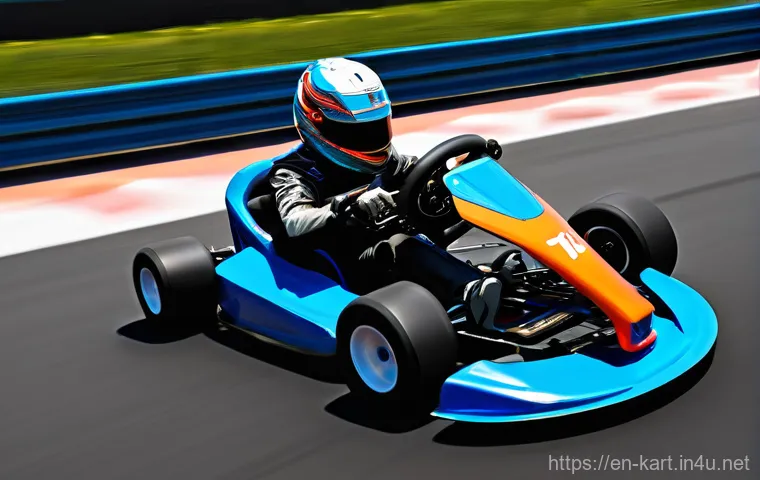
Alright, let’s cut to the chase: drifting in KartRider: Drift isn’t just about sliding around corners; it’s an art form, a dance with the track, and honestly, the biggest hurdle for most newcomers. I remember when I first started, my drifts looked more like frantic spins than controlled maneuvers. I’d hit the drift button, and suddenly my kart had a mind of its own, often ending up facing the wrong way or, worse, slammed into a wall. It was incredibly frustrating, especially watching others glide through turns effortlessly. What I quickly learned is that it’s less about holding the drift button down and more about a delicate tap-and-release, or a series of quick taps, depending on the corner. It’s a feel thing, a muscle memory you build over time, but the key insight for me was understanding that not all drifts are created equal. Short, sharp turns require a different approach than long, sweeping bends. For ages, I tried to apply a one-size-fits-all drift, and it never worked. Once I started paying attention to the specific turn and adjusting my drift input accordingly, it was like a lightbulb went off. This isn’t just about style points; proper drifting builds boost, maintains speed, and sets you up for the next segment of the track. It’s the foundation of fast racing.
When to Tap, When to Hold: The Nuances of Drifting
This is where many beginners, myself included, often stumble. We see pros drift through entire corners and think we need to emulate that long, sustained slide. But in reality, for most corners, especially tighter ones, it’s about quick, precise taps. Think of it like this: a short tap initiates a mini-drift that conserves speed and gives you a burst of boost charge, perfect for snaking through slight curves or making minor adjustments. A longer press, on the other hand, is for wider, sweeping turns where you need to maintain that drift for a sustained period to build a larger boost. I used to just hold it down, hoping for the best, and I’d always over-drift or lose too much momentum. My personal breakthrough came when I started experimenting in Time Attack mode. I’d pick a single challenging corner and practice just that one turn, trying different tap durations. It sounds tedious, but seeing the milliseconds drop off my time, even for a single corner, was incredibly motivating. It taught me that sometimes, a series of short, controlled drifts is far more effective than one long, uncontrolled slide. It’s all about finding that sweet spot for each individual turn, and trust me, your lap times will thank you.
Drift Recovery: Turning Wobbles into Wins
Let’s be real, even the best racers sometimes mess up a drift. What separates a decent player from a great one isn’t just executing perfect drifts, but recovering gracefully when things go a little sideways. For the longest time, if I botched a drift, I’d panic, smash into a wall, or just lose all my speed. It felt like an automatic failure. What I eventually learned, and what truly changed my game, was the art of immediate correction. If you start to oversteer or find yourself drifting too wide, a quick counter-steer (steering in the opposite direction of your drift) can often pull your kart back into line with minimal speed loss. Sometimes, a tiny tap of the brake (if your kart configuration allows for it without ruining your momentum) can also help you regain control. It’s not about avoiding mistakes entirely, but about minimizing their impact. I remember practicing this specifically on the more chaotic tracks where unexpected bumps and jostles are common. The ability to quickly recover from a less-than-perfect drift means you spend less time spinning and more time racing, keeping those precious boosts chained. Don’t be afraid to experiment with slight counter-movements during your drifts; it’s a game-changer for maintaining flow.
Boost or Bust: Unleashing Your Speed Wisely
When you’re tearing down the track in KartRider: Drift, that satisfying “woosh” of a boost feels incredible, right? It’s pure adrenaline. But let me tell you, when I first started, I treated boosts like candy – I’d gobble them up as soon as they were available. “More speed equals better, right?” I thought. Wrong! My early races were a chaotic mess of boosting into walls, overshooting turns, and then being left in the dust when a crucial straightaway appeared. It was like I was actively sabotaging myself with my own enthusiasm. What I eventually realized is that a boost isn’t just about raw speed; it’s a strategic tool. Knowing when to deploy it, how to chain them effectively, and even when to *save* a boost, is absolutely critical. It’s not just about accumulating boosts; it’s about using them intelligently to create an advantage. There’s a delicate balance between aggressive boosting and conserving your speed for opportune moments. I found that carefully observing the track layout and anticipating upcoming sections became far more important than just mindlessly mashing the boost button. This shift in thinking transformed my race strategy and, more importantly, my results.
Chain Reaction: Mastering Continuous Boosting
This is where the real speed demons emerge. Chaining boosts in KartRider: Drift is, without a doubt, one of the most satisfying mechanics, and also one of the most challenging to master. For the longest time, I struggled to link drifts and boosts seamlessly. I’d get one boost, use it, and then spend ages trying to generate the next one, losing all my momentum. What I eventually discovered, after a lot of trial and error (and more than a few frustrated yells at my screen), is that it’s all about rhythm and anticipating the next turn. You want to execute a drift that builds boost, then immediately use that boost to carry you into the perfect position for the *next* drift, which in turn generates *another* boost. It’s a continuous flow, a dance between control and speed. The best way I found to practice this was on tracks with lots of flowing corners, like Speed Tunnel. I’d focus purely on getting a consistent chain going, not even worrying about my race position. I found that using my minimap to anticipate upcoming turns, even before they were visible on screen, significantly helped. It’s a feeling of pure exhilaration when you nail a perfect boost chain, weaving through the track with incredible speed and leaving your opponents in your dust. It truly feels like you’re unlocking another level of gameplay.
Strategic Boost Deployment: When and Where to Use It
Just as important as chaining boosts is knowing *when* not to. I know, it sounds counterintuitive, but trust me on this one. Early on, I’d often blast a boost right before a sharp turn, completely ruining my entry and forcing me to brake hard, losing all the speed I’d just gained. It was a classic beginner blunder. What I learned is that boosts are best utilized on straightaways, coming out of corners, or during recovery from a slight mistake to quickly regain pace. Using a boost too close to a complex corner means you’re adding uncontrolled speed to an already challenging maneuver. I started consciously holding onto boosts until I hit a prime opportunity – a long straight, a gentle curve I could take at full speed, or just after exiting a difficult drift to accelerate away. Sometimes, even saving a boost for the final stretch of a lap or race can make all the difference, letting you sneak past an opponent at the last second. It’s about thinking a few seconds ahead, playing chess with your boosts, rather than just checkers. This strategic approach not only improved my lap times but also significantly increased my competitive edge in multiplayer races, allowing for those satisfying last-minute overtakes.
Beyond the Finish Line: Understanding Track Geometry
When you first jump into KartRider: Drift, every track might seem like a chaotic jumble of turns and straights. I certainly felt that way! I’d just follow the general path, hoping for the best, and usually ending up bumping into walls or going off-road. It felt like the tracks were actively conspiring against me. But here’s a secret I wish someone told me earlier: every track has an optimal racing line, an invisible path that lets you maintain maximum speed and build boosts efficiently. It’s not just about staying on the asphalt; it’s about understanding the subtle curves, the ideal entry and exit points for each corner, and how they connect. For a long time, I just focused on individual corners, but the real magic happens when you start seeing the track as a series of interconnected segments. Thinking about how one turn sets you up for the next, or how a specific drift on one side of the track gives you an advantage for the upcoming section, completely changed my perception of racing. It’s like discovering a hidden layer to the game, and once you start seeing it, you can’t unsee it. This understanding is what separates those who merely finish a race from those who truly dominate it.
The Invisible Line: Discovering Optimal Racing Paths
So, what exactly is this “invisible line” I’m talking about? It’s the most efficient route around the track, minimizing distance and maximizing speed. For the longest time, I thought I had to stick to the middle of the road, but that’s often the slowest path. Generally, you want to enter a turn wide, hit the apex (the innermost point of the corner), and exit wide. This classic “outside-inside-outside” approach allows you to straighten out the corner as much as possible, carrying more speed through it. I spent countless hours in Time Attack mode, just experimenting with different lines. I’d watch replays of top players, not just to see their drifts, but to observe *where* they were on the track at every moment. It was fascinating how often they would hug the inside of one corner, then swing wide for the next, almost like they were painting a path with their kart. It’s not about being aggressive; it’s about being smart. Once you start actively looking for these lines, even familiar tracks will reveal new opportunities for speed and boost generation. It’s a continuous learning process, and every lap teaches you something new about the track’s hidden secrets.
Cornering Confidence: Tackling Tricky Turns
Every track in KartRider: Drift has those one or two corners that just seem impossible. For me, it was always those tight hairpin turns that felt like brick walls. I’d either hit them too fast and crash, or slow down too much and lose all my momentum. It was incredibly demoralizing. My breakthrough came when I realized I needed to break down those tricky turns into smaller, manageable parts. Instead of approaching them as one big, scary challenge, I started focusing on the entry, the apex, and the exit separately. For a hairpin, for instance, I’d deliberately slow down *before* the turn, execute a very tight, controlled drift at the apex, and then immediately accelerate out with a boost. It’s not about being fearless; it’s about being calculated. I also found that understanding the *type* of turn made a huge difference. Is it a long, sweeping curve where you can maintain a sustained drift, or a sharp, sudden bend that requires a quick tap-and-release? By categorizing and strategizing for each specific type of corner, I built confidence. The more I practiced these specific cornering techniques, the less intimidating those “impossible” turns became. Soon, they transformed from my biggest weaknesses into opportunities to gain on my opponents.
The Kart’s Calling: Gear Up for Victory
When you first dive into KartRider: Drift, the sheer array of karts, characters, and customization options can be a little overwhelming, right? I remember just picking whatever looked cool, not really thinking about how it would affect my gameplay. And for a while, that was fine. But as I started climbing the ranks and facing tougher opponents, I quickly realized that my choice of kart and how I geared it up made a tangible difference. It’s not just about aesthetics; it’s about finding a setup that complements your playstyle and the track you’re on. Some karts excel in speed, others in drift stability, and some offer a balance. Ignoring these stats and sticking with a default setup is like bringing a spoon to a knife fight. You might look good, but you won’t be as effective as you could be. Experimenting with different karts and parts became a whole new layer of the game for me, adding depth beyond just driving. It felt like I was tuning a real race car, trying to eke out every possible advantage. This attention to detail, this understanding of how each piece contributes to the whole, is a hallmark of truly competitive racing. It’s not about buying your way to victory; it’s about making informed choices.
Customization Choices: Finding Your Perfect Ride
This is where personal preference really comes into play, but there are definitely some general guidelines that can help. When I first started messing with kart customizations, I just went for whatever gave me the biggest numbers in speed, thinking that was the be-all and end-all. What I soon learned, however, is that raw speed isn’t always the answer, especially if you can’t control it! For example, a kart with high acceleration might be great for quickly getting back up to speed after a crash or a tight corner, while a kart with higher drift stability might be perfect for beginners who are still getting the hang of precise drifting. My personal journey involved a lot of trial and error. I’d pick a kart, use it for several races, pay attention to its strengths and weaknesses, and then try a different one. It was fascinating to feel the subtle differences in handling. I also paid attention to what the top players were using, not to copy them blindly, but to understand *why* they chose those karts for specific tracks or modes. Don’t be afraid to experiment! Finding a kart that genuinely feels good to you and suits your drifting style is more important than chasing the absolute “meta.”
Power-Ups and Perks: Item Mode Mastery
Okay, so while I personally lean towards speed mode, Item Mode in KartRider: Drift is a whole different beast, and it’s where a lot of the chaotic fun happens. If you’re primarily playing Item Mode, then ignoring the strategic use of power-ups is a cardinal sin! I remember early on, I’d just spam my items as soon as I got them, or worse, hold onto them for too long, only to get hit by a missile and lose them all. It was maddening. What I quickly realized is that Item Mode is less about perfect driving and more about clever strategy and timing. Knowing when to use a shield, when to deploy a banana peel, or when to unleash a devastating missile can completely turn the tide of a race. For example, saving a shield for when you’re in first place is often a smart move to protect against incoming attacks. Or using a banana peel on a blind corner where opponents are likely to slide. I even learned to use items defensively, like dropping a water bomb behind me to deter a trailing opponent. It’s a dynamic, ever-changing battlefield, and success comes from quick thinking and anticipating your rivals’ moves. Don’t underestimate the power of these items; they are your weapons and your defense in the glorious chaos of Item Mode!
Mind Over Matter: The Champion’s Mindset
Let’s be honest, we’ve all been there: a series of bad races, a string of frustrating crashes, or just feeling like everyone else is light-years ahead. I remember sessions where I felt like I couldn’t do anything right, constantly hitting walls, failing drifts, and just generally feeling defeated. It’s easy to let that frustration creep in and totally derail your focus. But here’s the thing about competitive games like KartRider: Drift: your mental game is almost as important as your physical skill. If you let a few bad laps or an unlucky item hit get to you, it’s going to snowball and affect your performance for the rest of the race, and even subsequent races. I learned this the hard way. There were times I’d throw controllers (metaphorically, of course!) because I was so mad, only to find myself playing even worse. What truly changed things for me was adopting a more resilient mindset. It’s about learning to shake off the bad moments, staying calm under pressure, and focusing on continuous improvement rather than just the immediate outcome. This shift in perspective not only made the game more enjoyable but also helped me break through plateaus that had seemed insurmountable before.
Shaking Off the Slump: Turning Losses into Lessons
Nobody likes to lose, right? But what if I told you that some of my biggest improvements came directly from my most frustrating losses? For a long time, a loss felt like a personal failure, and I’d just stew in my annoyance. Then I started to change my approach. After a particularly rough race, instead of immediately queuing for another, I’d take a moment. I’d ask myself: What went wrong? Was it a specific corner I struggled with? Did I misuse my boosts? Did I panic under pressure? Sometimes, I’d even save the replay (if the game allowed) and watch it back, specifically looking for my mistakes. It’s a bit humbling to watch yourself mess up, but it’s incredibly effective. I found that often, my mistakes weren’t entirely random; there were patterns. Maybe I always drifted too early on a certain turn, or consistently boosted into a wall on another. By identifying these patterns, I could then focus my practice on those specific weaknesses. It turned losses from demoralizing experiences into valuable learning opportunities. This analytical approach, coupled with a willingness to self-critique, accelerated my growth far more than simply grinding out race after race without reflection.
Focus and Flow: Staying in the Zone
Have you ever had those races where everything just clicks? Your drifts are smooth, your boosts are chained perfectly, and you feel like you’re one with the kart? That’s what I call “the zone,” and it’s where peak performance happens. The challenge, of course, is getting there and, more importantly, *staying* there. I found that external distractions, or even internal chatter like worrying about my ranking, could easily pull me out of it. To cultivate this flow state, I developed a few personal rituals. Before a race, I’d take a deep breath, clear my mind, and focus solely on the track ahead. During the race, if I made a mistake, I’d consciously tell myself, “Okay, that’s done, focus on the next segment.” It sounds simple, but actively redirecting your attention can be incredibly powerful. I also noticed that when I was too focused on winning, I actually performed worse. When I shifted my focus to executing *each maneuver perfectly*, the wins started to come naturally. It’s a subtle but profound difference. When you’re truly in the zone, it feels less like you’re playing a game and more like you’re experiencing a seamless extension of your own will. It’s a fantastic feeling, and worth striving for in every race.
Practice Makes Perfect, But Smart Practice Makes Champions
When you’re eager to improve in KartRider: Drift, the natural instinct is often to just play as much as possible, right? Grind out those races, and eventually, you’ll get better. I certainly subscribed to that philosophy early on. I’d jump into multiplayer lobbies, race after race, sometimes for hours on end. And sure, I did see some incremental improvements, but it felt incredibly slow and often frustrating. It wasn’t until I started approaching my practice sessions with more intentionality that I saw truly significant leaps in my skill. Just like a professional athlete doesn’t just “play” their sport all day, a competitive KartRider player needs to practice smartly. This means understanding *what* you need to improve, and then designing specific drills or approaches to target those weaknesses. It’s about quality over quantity, precision over mere repetition. The moment I started segmenting my practice – dedicating time to specific tracks, focusing on particular drifting techniques, or even just isolating tricky corners – was when my progress really accelerated. It stopped feeling like a grind and started feeling like a genuine learning journey, with clear objectives and tangible results.
Quality Over Quantity: Efficient Training Regimens
So, what does “smart practice” actually look like? For me, it meant stepping away from the endless multiplayer queue for a bit and diving into Time Attack or even Custom Race modes. Instead of just racing to win, I’d race to *learn*. For example, if I was struggling with a specific type of corner, I’d set up a custom race on a track that featured many of those corners and just practice that section repeatedly. I wouldn’t care about my lap time initially; I’d focus purely on getting the drift entry and exit just right. Another hugely beneficial thing I did was dedicated drift practice: going into a track and just trying to maintain a continuous drift for as long as possible on straights, or practicing chaining boosts through a series of S-curves. It felt a bit like doing drills in a sport. It’s not always the most exciting part of playing, but it builds foundational skills that translate directly into better performance in competitive races. Think of it as building your racing muscle memory. These focused sessions, even if they were only 15-20 minutes long, were far more impactful than hours of unfocused multiplayer mayhem. The table below summarizes some key aspects of smart vs. casual practice.
| Aspect | Casual Practice | Smart Practice |
|---|---|---|
| Goal | Win races, have fun | Identify and improve specific weaknesses |
| Focus | Full races, overall performance | Specific track sections, drifting techniques, boost chains |
| Mode Used | Multiplayer Queue | Time Attack, Custom Races, Replay Review |
| Mindset | Reactive, outcome-oriented | Proactive, process-oriented, analytical |
| Typical Session Length | Long, continuous play | Shorter, focused intervals with breaks |
| Key Benefit | General familiarity | Targeted skill development, faster improvement |
Replay Review: Learning from Your Own Race
This is probably one of the most underutilized tools for improvement, and it’s something I started doing only relatively recently. Most competitive games, including KartRider: Drift, offer a replay system. And let me tell you, watching your own races back is an absolute goldmine of information! When you’re in the heat of the moment during a race, it’s hard to analyze exactly what went wrong or why you lost precious milliseconds. But in a replay, you can watch your kart from different angles, slow down critical moments, and objectively observe your own mistakes. I remember watching a replay and realizing I was consistently drifting too early on a particular turn, causing me to hit the outer wall. In real-time, I just felt like I was struggling; in the replay, the problem was crystal clear. I also used replays to compare my lines with those of top players on the leaderboard (if their replays were accessible). It wasn’t about copying them, but understanding their *approach* to certain sections. This objective self-assessment, free from the adrenaline of live racing, allowed me to identify subtle errors I never would have noticed otherwise. It’s a powerful tool for accelerating your learning curve and turning those “darn it” moments into actionable insights for your next race.
Wrapping Things Up
And there you have it, fellow racers! This journey through the nuances of KartRider: Drift isn’t just about technical skill; it’s a testament to patience, observation, and a willingness to continuously learn. I truly hope that sharing my own experiences and breakthroughs helps you navigate the tracks with more confidence and, most importantly, have even more fun. Remember, every crash is a lesson, every failed drift is an opportunity to adjust, and every small improvement is a step closer to becoming the racer you aspire to be. Keep practicing, stay positive, and I’ll see you on the track!
Handy Tips You’ll Wish You Knew Sooner
1. Master Time Attack Mode: Seriously, it’s your best friend for focused practice. Isolate those tricky corners or try to nail perfect drift chains without the pressure of opponents. It’s how I honed so many of my skills.
2. Replay Review is Gold: Don’t just race and forget. Watch your replays! You’ll spot mistakes you didn’t even realize you were making in the heat of the moment, helping you refine your lines and techniques.
3. Experiment with Karts and Parts: Don’t get stuck on one setup. Different karts suit different playstyles and tracks. Spend some time in the garage; you might discover a combination that elevates your game significantly.
4. Prioritize Drift Recovery: Even pros mess up. Learning how to quickly correct an overdrift or a bad turn initiation is a game-changer. It means less time spinning and more time accelerating towards the finish line.
5. Understand Track Geometry: Think beyond just staying on the road. Look for the optimal racing line – the outside-inside-outside approach for corners – to carry more speed and build boosts efficiently. It’s like finding a secret shortcut on every track.
Key Takeaways for Dominating the Track
Ultimately, excelling in KartRider: Drift boils down to a blend of mechanical skill and mental fortitude. We’ve talked a lot about the precise art of drifting, from those delicate taps to sustained slides, and how crucial it is to understand each corner’s unique demands. It’s a continuous dance between control and speed, where mastering your drift recovery can often turn a potential disaster into a minor setback. Beyond just the slides, intelligently deploying your boosts—knowing when to chain them for explosive speed and when to save them for strategic overtakes—is the mark of a truly thoughtful racer. I’ve personally seen my race times plummet just by being more deliberate with my boost usage, realizing that raw speed isn’t always the answer if it’s uncontrolled. Furthermore, truly understanding track geometry, identifying those optimal racing lines, and breaking down daunting corners into manageable segments transforms your approach from merely reacting to the track to actively conquering it. This holistic perspective, coupled with a calm and analytical mindset, truly sets the foundation for consistent improvement and, most importantly, a more enjoyable and rewarding racing experience. It’s a journey, not a destination, and every lap is an opportunity to refine your craft.
Frequently Asked Questions (FAQ) 📖
Q: Why do my drifts feel so clunky, and I always seem to lose speed instead of gaining it?
A: Ah, the classic drift dilemma! This is probably the most common head-scratcher for new KartRider: Drift players. I totally get it – you see others zipping around corners, effortlessly maintaining speed, and you’re just…
well, skidding into oblivion or crawling out of the turn. The trick here often comes down to precision and timing, not just holding down the drift button.
First off, many beginners over-drift. They hold that drift button for too long, turning a smooth curve into a drawn-out slide that bleeds speed. What you really want is a “precision drift” or “optimal drift” as some pros call it.
It’s all about finding that sweet spot where you tap your direction key, then quickly tap your drift input, releasing both almost simultaneously to get that nitro charge with minimal speed loss.
It’s like a quick, sharp dance move, not a long, graceful slide. I personally found that practicing “short drifts” or “stutter drifts” in the training mode was a game-changer.
These are tiny, quick drifts used to build a bit of tension or nitro without losing momentum. Don’t be afraid to experiment with how long you press the drift key – sometimes a shorter, sharper tap is all you need to initiate and complete a drift effectively.
Remember, the goal isn’t just to turn, it’s to turn and charge that nitro efficiently to get that all-important instant boost out of the corner! If you crash during a drift, you’ll lose any nitro charge you gained, so practicing those clean exits is crucial.
Q: I’m boosting, but everyone else seems to have endless boosts! How do I chain them effectively?
A: That feeling of watching an opponent disappear into the distance with a seemingly infinite boost chain? Yeah, it’s enough to make you throw your controller (or phone!).
But trust me, it’s not magic; it’s a technique called “combo boosting” or “boost chaining,” and it’s absolutely learnable. The core idea is to seamlessly link your instant boosts.
You get an “instant boost” right after a successful drift or when you land after certain item impacts. The real secret to chaining lies in generating enough nitro from your drift to immediately activate another boost, then performing another drift right after to keep the cycle going.
Think of it like this: drift, instant boost, drift again, instant boost, and so on. My personal “aha!” moment came when I realized I needed to initiate the next drift almost as soon as the previous instant boost began to maximize the overlap.
You have a small window, about 0.5 to 1.5 seconds, after a drift ends to activate that instant boost. Donut, a KartRider Youtuber, explains that a key step is quickly chaining full drifts together using the momentum from instant boosts.
This takes practice to get the timing down, but once it clicks, you’ll feel like you’ve unlocked a whole new level of speed. Head into Time Attack mode and just focus on one section of a track, trying to maintain your speed through linked drifts and boosts.
It’s an absolute thrill when you nail that perfect chain and leave your rivals in the dust!
Q: How do the pros always know the fastest path and nail every shortcut?
A: This is where track knowledge truly shines, and honestly, it’s less about secret pathways and more about understanding “racing lines” and subtle track mechanics.
When I first started, I’d just follow the most obvious path, but quickly learned that’s not how you win. KartRider: Drift actually gives you a huge helping hand: the “Track Guidelines” and “Drift Zones” in the display settings.
If you haven’t enabled these, do it now! They show you the optimal racing line and the ideal spots to start and end your drifts for each corner. It’s like having a virtual coach on the track with you.
Initially, I thought these were for total beginners, but I quickly realized they’re fantastic tools for internalizing the best lines, even for experienced players.
Beyond the guidelines, pay attention to the width of the track on turns. Often, the fastest line isn’t the tightest; it’s an “outside-in-outside” approach that allows for a smoother, speed-maintaining drift.
Also, keep an eye out for “slipstreaming” – if you hug closely behind an opponent for a few seconds, you’ll get a temporary speed boost. It’s a fantastic way to catch up or even slingshot past someone.
My biggest tip here is to pick one track, jump into Time Attack, and just run it over and over. Focus not on your time, but on hitting those drift zones perfectly and experimenting with different lines.
You’ll develop that muscle memory and track intuition that makes all the difference!