The most reliable way to clear difficult KartRider Legend tracks is to prioritize clean corner exits, save boosts for useful acceleration zones, and treat shortcuts as optional until they are repeatable.
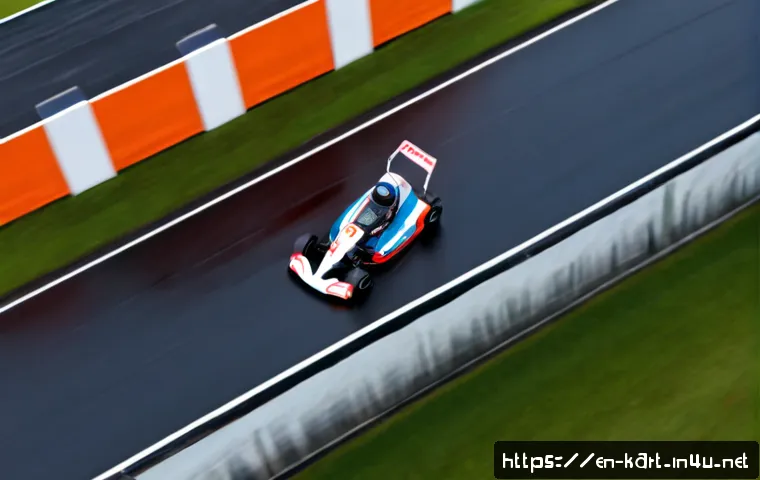
A risky shortcut is not automatically faster if it causes a wall hit, missed boost, or poor line into the next turn. Start by learning the track’s rhythm through practice runs, then focus on the single section where your speed drops most often.
Controller options, mobile gaming accessories, and performance settings can help when inconsistent inputs are the problem, but they cannot replace a stable racing line.
The best setup is the one that feels comfortable during consecutive technical turns and lets you repeat the same inputs under pressure. Check your specific game version, platform, and mode before copying any track-specific route or equipment recommendation.
At a Glance
- Prioritize clean exits: a controlled exit usually carries more speed into the next section than an aggressive entry.
- Save boosts for acceleration zones: use them where the kart can maintain speed, not while recovering from a mistake.
- Practice shortcuts before racing: a shortcut only helps when you can complete it without losing your line or hitting a wall.
| Decision Area | Safer Choice | Higher-Risk Choice | Best Fit |
|---|---|---|---|
| Control Method | Touchscreen or keyboard you already know well | Switching to a new controller immediately | Use the option that gives you the most consistent steering and drift inputs. |
| Track Route | Stable racing line with clean exits | Shortcut with a difficult entry or recovery | Choose stability for first clears, casual races, and ranked runs. |
| Practice Plan | Practice mode and replay review | Learning new lines during competitive races | Use competitive runs after the route feels repeatable. |
| Boost Use | Exits, straights, and controlled recovery | Boosting into an uncertain turn | Use boosts where there is room to convert them into speed. |
The Fastest Reliable Way to Learn a Difficult Legend Track
The fastest reliable approach is not to memorize every advanced trick at once. First, build a repeatable lap with predictable drifts, clean corner exits, and boosts used in open acceleration zones. Legend-level tracks can feel overwhelming because technical corners arrive quickly, but a stable route gives you a baseline for deciding which risks are actually worth taking.
Start with clean corner exits instead of chasing every shortcut
A clean exit matters because it affects the next straight, the next turn setup, and your ability to use a boost effectively. Entering a corner slightly wider can be useful when it allows the kart to point toward the exit earlier. This does not mean every corner should be taken wide; it means your line should leave room to accelerate without clipping a wall.
When a shortcut looks faster, ask one simple question: Can you exit it in control? If the route regularly causes a collision, missed drift, or awkward angle for the next corner, use the standard line until your execution improves. The safer line may produce better results over several races.
Use three practice laps to map braking, drift, and boost zones
Use the first practice lap to observe the course. Notice where turns tighten, where walls sit close to the racing line, and where a straight section gives you room to accelerate. On the second lap, test your drift timing and identify corners where you start drifting too early or too late. On the third lap, focus on boost placement and try to avoid using a boost immediately before an uncertain technical section.
This method works across different KartRider titles because track names, layouts, modes, kart statistics, and available features may vary by region, platform, and updates. You do not need a perfect route immediately. You need a clear map of where you are losing control.
Identify the one section that loses the most time
Do not attempt to fix every weakness in one session. Review a replay, or simply remember where your kart loses momentum most often. It may be a hairpin, a sequence of consecutive turns, a wall-heavy corridor, or a shortcut entry. That section is your highest-value practice target.
Focus on one change at a time: a wider entry, a shorter drift, a later boost, or a safer recovery path. Small corrections are easier to repeat than a complete change in driving style.
Safe Racing Lines vs. Risky Shortcuts: What Actually Saves Time?
A shortcut should be judged by consistency, possible time gain, and recovery cost. A route that looks fast in one clean attempt can be slower overall if failure ruins your boost rhythm or forces you into a poor position for the following corner.
Compare consistency, potential time gain, and recovery cost
A stable line usually has a clear entry, enough space to drift, and a predictable exit. It may not look dramatic, but it protects your speed. A risky shortcut may shorten the route, yet it can require precise steering, drift timing, or a narrow landing angle.
Consider the recovery cost before using it. If missing the shortcut only causes a small slowdown, it can be reasonable to practice. If missing it leads to a wall collision, lost boost opportunity, or a damaged line through several turns, the safer route is usually the better choice during a serious race.
When a shortcut is worth attempting in ranked or competitive races
Attempt a shortcut in competitive racing only after it feels repeatable in practice. A useful standard is simple: you should know both the normal route and what you will do if the shortcut entry goes wrong. That backup plan reduces panic and helps prevent a second mistake.
In a close race, your position also matters. If other racers are blocking the entry, forcing the shortcut can create contact and cost more than it saves. Take the available line, preserve speed, and look for a better opportunity later in the lap.
Why wide entries and early acceleration often beat aggressive drifting
Many players lose speed by turning too sharply toward the inside wall, then extending the drift to correct the kart. A controlled wide entry can make the exit smoother and allow earlier acceleration. The goal is not to drift as much as possible. The goal is to leave the corner with the kart pointed where it needs to go.
Avoid over-drifting when a short, controlled turn will keep the kart closer to the next racing line. Long drifts can feel fast, but they are not automatically efficient when they create unnecessary sideways movement or wall contact.
Drift, Boost, and Cornering Technique for Technical Sections
Technical sections reward preparation. The key decision often happens before the turn begins: where you position the kart, when you begin the drift, and whether you have enough room to exit without correction.
Set up the corner before the turn begins
Look beyond the corner you are currently entering. If two turns connect tightly, the first corner should prepare the kart for the second. Entering the first turn with the perfect inside line may be less useful if it leaves you pointed directly at a wall or too far from the next turn’s entry.
For consecutive turns, use steering and drifting inputs that you can repeat comfortably. A route that is slightly less aggressive but controllable can be more valuable than a fast-looking route that breaks down under race pressure.
Avoid over-drifting and wall contact
Wall contact is costly because it interrupts momentum and can disrupt your next boost or corner setup. If you repeatedly touch the same wall, do not assume you need to turn harder. You may need to start from a different entry position, shorten the drift, or stop trying to cut so close to the apex.
Use replay review when available. Watching a run can reveal whether the problem starts at the wall itself or several moments earlier. Often, the real mistake is entering the corner too tight or carrying a drift for too long.
Save boosts for exits, straights, and recovery opportunities
Boost management is about using speed when you can keep it. Long exits and straights are natural places to use a boost because the kart has space to accelerate. A boost can also help recovery after a minor slowdown, but only if the next section is open enough to benefit from it.
Be careful about boosting into a difficult corner. If you are uncertain about the line, the extra speed can make the mistake larger. In speed-focused modes, boost timing is especially important; in item-focused modes, route choices may also depend on race position and available items.
Improve Your Controls and Performance Without Overspending
Better equipment can improve comfort and input consistency, but it is not a guaranteed performance upgrade. Before buying a gaming controller, mobile gaming accessory, or performance-focused device, identify whether your real issue is control comfort, missed inputs, visual distraction, or lack of track familiarity.

Touchscreen, keyboard, and controller: choose based on consistency
Touchscreen controls can work well when their layout feels familiar and your fingers can reach inputs without blocking important visual information. Keyboard controls may suit players who prefer direct directional input. A controller may be worth considering when consecutive technical turns feel uncomfortable, when your hands become tense, or when repeated steering and drift inputs are inconsistent.
Do not choose a controller only because it appears more advanced. The best option is the one you can use accurately over multiple laps. Check compatibility with your selected platform and KartRider version before making a purchase.
Device settings that can reduce missed inputs and visual distractions
Review your input layout and visual settings before changing hardware. Place important controls where they are easy to reach without covering the track. Reduce distractions that make it harder to see turn entries, walls, or nearby racers. If your device becomes uncomfortable during long sessions, take that seriously; comfort can affect consistency.
Performance settings and feature availability can differ by device, platform, region, and game update. Use the settings available in your version, then test changes in practice rather than changing everything before a competitive race.
When gaming accessories are useful—and when practice is the better investment
A gaming controller or mobile accessory can be useful when it solves a specific problem: hand comfort, unstable steering, unreliable input reach, or difficulty handling long technical sections. Device cooling may also be worth evaluating if heat affects comfort or your ability to maintain focused inputs. Check the product’s compatibility details and return conditions on the relevant product page before deciding.
If your main problem is not knowing the track, extra practice is likely more valuable than new hardware. First create a stable lap. Then decide whether equipment would make that lap easier to repeat.
Match Your Strategy to Your Race Mode and Skill Level
Your best route changes with your goal. A first clear, a casual race, a ranked match, and a time trial do not demand the same level of risk. Match your choices to what you are trying to protect: completion, position, consistency, or maximum potential speed.
Safer routes for first clears and casual races
For first clears, choose the standard route, avoid narrow shortcut attempts, and protect your momentum. Learn where the course changes direction and where a boost is easy to use. This approach gives you information without repeatedly losing a run to the same difficult section.
Higher-risk lines for time trials and experienced players
Time trials are a better place to test advanced lines because you can repeat a section without the pressure of traffic. Once a shortcut or aggressive drift becomes repeatable, compare it with your stable route. Keep the advanced option only if it improves your run without creating frequent recovery problems.
How to adapt when another racer blocks your preferred line
In multiplayer races, another racer can block the ideal entry or push you away from a shortcut. Avoid treating one missed line as a lost race. Move to the available lane, reduce the chance of collision, and prioritize a clean exit. A calm recovery often saves more time than forcing your original plan through traffic.
Selection Criteria and Comparison Summary
Use these checks before changing your route, controls, or gaming setup:
- Choose a stable racing line if your current lap includes wall contact, missed boosts, or frequent recovery.
- Choose an advanced shortcut only after you can complete it consistently in practice and still reach the next corner cleanly.
- Consider a gaming controller when comfort or input accuracy is limiting your performance during technical turns.
- Review input layout and device settings before spending on mobile gaming accessories or a new performance-focused device.
- Check platform compatibility, current availability, and feature support for your exact KartRider title and version.
If you are comparing controllers, cooling accessories, or input options, check the official product details and compatibility information on the relevant page before choosing.
Final Thoughts
Difficult Legend tracks become more manageable when you stop treating every turn as a separate challenge. Build a stable line, protect your exits, and use boosts where they can create lasting speed. Shortcuts are useful tools, not mandatory routes. Once your base lap is reliable, you can test advanced lines and decide whether a controller or accessory genuinely improves your consistency.
Useful Things to Know
1. Replays can show where speed was lost before the visible mistake happens.
2. A shortcut can be slower if it causes a collision, missed boost, or poor exit angle.
3. Track layouts, kart balance, modes, and available features may differ between titles, regions, platforms, and updates.
4. Comfort matters on tracks with repeated technical turns because consistent inputs are easier to maintain when your control method feels natural.
Important Notes
This guide uses general KartRider racing principles rather than a specific Legend track layout. Exact shortcuts, kart statistics, controller support, in-game items, event rules, and device performance can vary by game title, region, platform, and update. Confirm the details in your own version before relying on a route or making a purchase decision.
Frequently Asked Questions
Q1. Are shortcuts always the fastest option on KartRider Legend tracks?
A1. No. A shortcut is only faster when you can complete it cleanly and maintain a useful line afterward. If it causes wall contact, a missed boost, or a poor exit into the next section, a stable standard route may be faster overall.
Q2. Is a controller worth buying for difficult KartRider tracks?
A2. A controller may be worth considering if it improves comfort and makes steering or drift inputs more consistent. It is less useful if the main issue is unfamiliarity with the track. Check compatibility with your platform and game version before buying.
Q3. What is the best way to practice a hard track without losing too many ranked matches?
A3. Use practice runs to map corners, drift points, boost zones, and shortcut entries first. Review replays when available, identify the section that costs the most speed, and test one adjustment at a time. Move back into ranked races when your safer route feels repeatable.