Improve competitive speed-racing performance with cleaner racing lines, controlled drifting, boost timing, recovery habits, and practical equipment choices.
Learn which upgrades can help and which mistakes usually cost the most time.
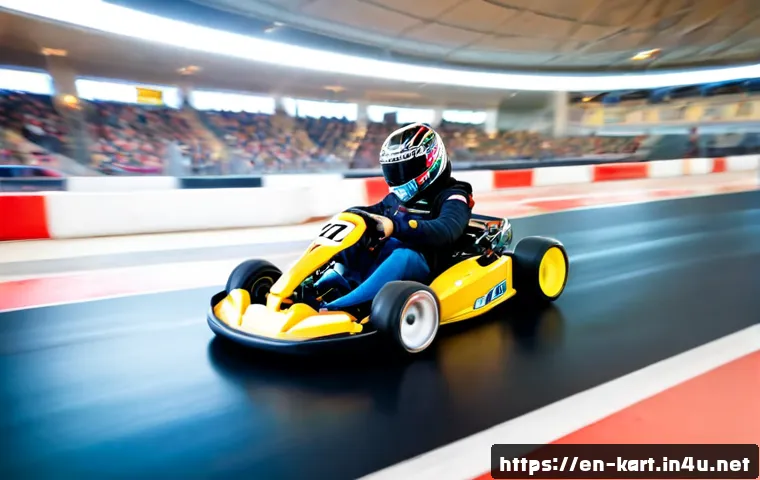
Faster results in competitive kart racing usually come from clean corner exits, smart boost timing, and repeatable inputs, not constant aggressive drifting. Protect momentum first, then use drifts and boosts where they lead into a long straight or another fast section.
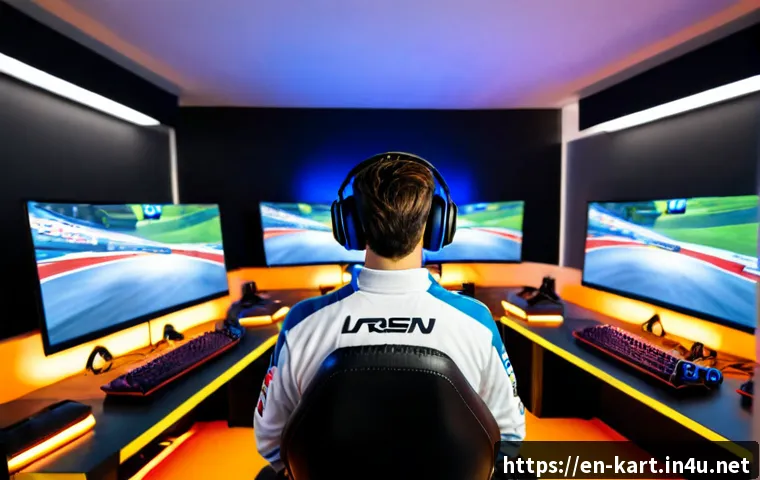
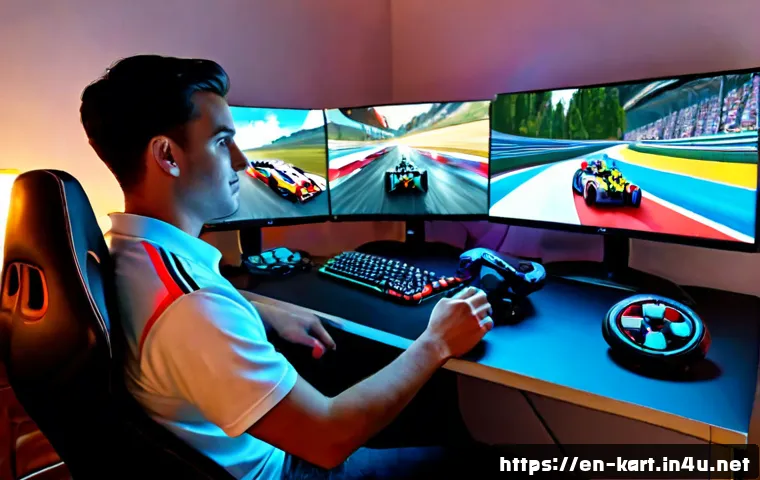
A controller, low-latency display, or wired network setup may improve comfort and consistency, but none can replace track knowledge and controlled driving. The best upgrade depends on whether your main loss comes from missed inputs, poor visibility, unstable connection, or inconsistent racing lines. Before spending money, identify the mistake that appears most often in your laps. Game mechanics, available platforms, and competitive rules can vary by version and current updates. Check official game channels for supported settings, modes, and equipment compatibility.
At a Glance
- Exit speed matters: A slightly slower entry is often better if it creates a clean, fast exit.
- Drift with a purpose: Start drifts around the racing line, not simply because every corner looks driftable.
- Buy carefully: Comfort, compatibility, latency, and return policies matter more than chasing a “guaranteed” performance upgrade.
| Option | Cost Range | Likely Benefit | Best For |
|---|---|---|---|
| Skill practice | Usually no extra hardware cost | Improves racing lines, drift timing, recovery, and track knowledge | Every player, especially racers losing time to walls or missed corners |
| Controller upgrade | Varies by model and platform | May improve comfort and repeatable steering corrections | Players who feel cramped, inconsistent, or uncomfortable with current inputs |
| Low-latency display | Varies by specifications and size | May make fast visual adjustments feel clearer and more immediate | Players already practicing consistently with a stable control setup |
The Fastest Route to More Consistent Speed Mode Results
The fastest route is usually not a single shortcut. It is a lap where each corner protects enough momentum for the next section. Focus on what happens after the turn, because a weak exit can carry into an entire straight.
Use the racing line to protect exit speed
Approach a corner with room to turn, move toward the inside at the right moment, and leave enough track on exit to straighten the kart early. This is not about making the sharpest possible turn. It is about reducing unnecessary steering while keeping the kart pointed toward the next acceleration zone.
If you enter too tightly, you may run wide on exit. If you enter too wide without a plan, you may need a late, heavy correction. Learn where a course opens up after each corner, then choose the line that gives you the cleanest launch forward.
Prioritize clean laps over high-risk hero moves
A risky shortcut can look fast in isolation, but a wall hit, collision, or missed drift often costs more time than a safer route. Use shortcuts only after you can complete the standard line consistently. Treat them as a separate skill to practice, not a requirement for every race.
When a shortcut has a narrow entry or a severe penalty for failure, ask one question: Can I repeat this under pressure? If the answer is no, a stable line may be the faster competitive choice.
The three habits that usually save the most time
- Look ahead to the corner exit instead of staring at the kart’s front bumper.
- Use smaller steering corrections when the kart is already on a workable line.
- Reset quickly after an error instead of forcing a second risky correction.
Build Speed Through Drifts, Boosts, and Corner Exits
Drifts and boosts are valuable when they support the route ahead. The goal is not maximum drifting. The goal is momentum that continues after the corner.
When to begin a drift and when to stay straight
Begin a drift when the corner shape and racing line give it a clear purpose. Starting too early can pull the kart off the best line, while starting too late can leave no room to recover. On gentle bends, staying straighter may preserve control better than forcing a large drift.
Practice one corner at a time. Notice where the kart begins to rotate, where the exit opens, and whether your drift leaves you aligned for the next section. A good drift should feel like it finishes the corner rather than creating another problem.
Save boosts for sections where momentum compounds
A boost is typically most useful when it feeds a long straight, high-speed section, or clean sequence of corners. Using it just before heavy braking or a tight obstacle can waste much of its value.
Build a simple track plan before racing: identify likely boost zones, then leave room to adjust if traffic or a missed line changes the situation. Boost timing should support control, not turn a recoverable mistake into a larger crash.
Recover quickly after a missed drift or light collision
After a light collision or missed drift, avoid panic steering. First, point the kart toward the safest usable line. Then return to normal inputs as soon as possible. Trying to immediately force a perfect drift or shortcut can create wall contact and a bigger loss.
Strong racers do not avoid every mistake. They limit how much one mistake damages the rest of the lap.
Compare Skill Practice, Settings Changes, and Gaming Gear
Performance-focused gaming accessories can be useful, but the right order is usually: improve the line, check settings, then consider hardware. A purchase is easier to justify when it solves a specific consistency problem.
Controller versus keyboard: comfort, precision, and consistency
A controller may suit players who prefer frequent steering corrections and a more relaxed grip. A keyboard may suit players who already feel accurate and consistent with its input style. Neither option guarantees better results for every racer.
Choose based on comfort, compatibility, button layout, and repeatability. If your hands tense up during longer sessions or your current setup makes precise corrections difficult, testing another input method may be worthwhile. Check supported devices and input behavior through official game information before buying.
When a high-refresh-rate, low-latency display may help
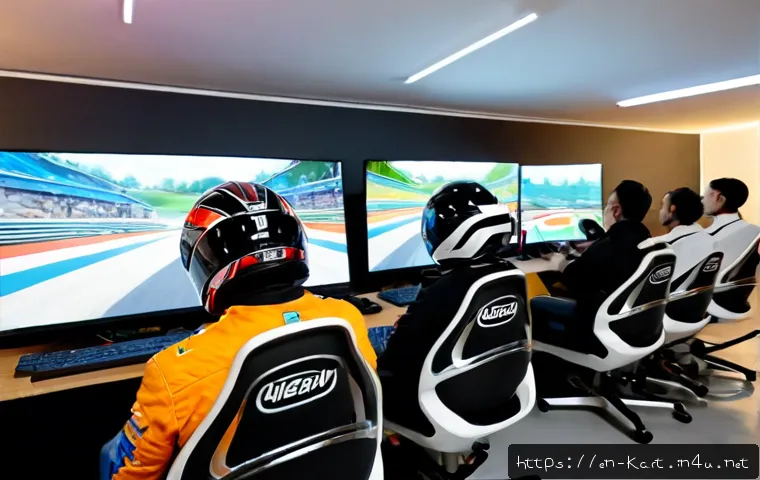
A responsive gaming monitor may help some players follow fast movement and make visual corrections with more confidence. It is most relevant when your control habits are already stable and you feel limited by how the game appears or responds on your current display.
Compare display compatibility, connection options, refresh-rate support, and latency information. Do not assume that a higher specification alone will create faster lap times.
Network stability and input settings to check before buying upgrades
Check basic input settings first. Make sure your steering, drift, and boost controls are comfortable enough to use without hesitation. If your platform supports it, a stable wired connection can be worth considering before more expensive accessories.

Also review cable condition, controller battery behavior, wireless reliability, and background network activity. These checks do not replace driving skill, but they can remove distractions from practice.
Common Racing Mistakes That Quietly Ruin Fast Laps
Many lost laps are not caused by one dramatic error. They come from small choices that repeatedly weaken acceleration and positioning.
Entering corners too fast and losing the exit
Fast entry feels aggressive, but it can force a wide exit, a wall touch, or extra steering. If a corner repeatedly sends you into the outside barrier, reduce entry aggression and aim to leave the corner straighter.
Overdrifting into walls or wide lines
Overdrifting often happens when a player starts early, holds too long, or tries to copy a line that does not match the kart’s position. Use the smallest drift that produces the exit you need. A controlled drift with a clean exit is more valuable than a dramatic slide into a wall.
Using boosts where they cannot create meaningful gains
Do not spend a boost immediately before braking, traffic, a narrow obstacle, or a corner you cannot exit cleanly. Save it for a section where speed can continue building. If you are unsure, test the same section in practice and compare how controlled each boost location feels.
Strategy Adjustments for Different Player Goals
Your target should shape your practice. A newer competitive player needs dependable basics, while a leaderboard-focused racer may need careful risk management around already consistent lines.
A safe improvement plan for new competitive players
Start by learning one course without chasing every shortcut. Pick a reliable racing line, identify major wall-risk corners, and practice clean exits. Once a lap feels repeatable, add drift timing and boost planning one section at a time.
Consistency drills for intermediate racers
Run several laps with one clear focus: one drift point, one boost zone, or one difficult exit. Do not change everything at once. After each attempt, ask whether the problem came from entry position, drift timing, steering correction, or boost placement.
Risk management for players chasing personal bests and rankings
For personal best attempts, separate safe pace from maximum-risk pace. Use a stable route when a clean finish matters. Test a difficult shortcut only when you understand its failure cost and can recover from it without ruining the entire run.
Selection Criteria and Comparison Summary
Before choosing a controller, gaming monitor, wired network accessory, or other racing setup upgrade, check these points:
- Main time loss: Is it racing-line mistakes, missed inputs, poor comfort, visibility, or connection instability?
- Compatibility: Confirm that the accessory works with your platform and current game setup.
- Comfort: Prioritize a grip, button layout, and display arrangement you can use consistently.
- Latency: Compare available responsiveness information without assuming it guarantees a faster result.
- Purchase protection: Compare return policies, warranty terms, and retailer conditions before buying.
Choose your setup before you buy: compare comfort, compatibility, latency, and return policies on the relevant product pages.
In Closing
Speed mode improvement starts with cleaner decisions, not bigger risks. Build a reliable racing line, drift only when it supports the exit, and spend boosts where speed can carry forward. Hardware can improve comfort and responsiveness for some players, but practice remains the most dependable foundation. Learn the track first, then make setup changes that address a real weakness.
Useful Information to Know
Track layout changes the best line, drift point, and shortcut risk. A route that works well on one course may be poor on another. Practice modes are useful for testing a single corner repeatedly without the pressure of a full competitive race. Keep your controls consistent while learning so you can tell whether an improvement came from skill or from a settings change.
Key Points to Remember
Exact drift, boost, item, shortcut, and collision behavior can differ by game version, platform, mode, and balance updates. No controller, monitor, network method, or accessory can guarantee faster performance for every player. Confirm current game availability, supported platforms, competitive rules, and hardware support through official channels before making a purchase or changing your competitive setup.
Frequently Asked Questions
Q1. Is a controller better than a keyboard for competitive kart racing games?
A1. Not automatically. A controller may feel more comfortable for frequent steering corrections, while a keyboard may work well for players who already have consistent inputs. Choose the option that gives you the most repeatable control, then confirm compatibility with your platform and game.
Q2. What is the safest way to improve speed without relying on risky shortcuts?
A2. Focus on the standard racing line, clean corner exits, controlled drifting, and boost use before long or high-speed sections. Avoiding wall contact and missed drift timing often saves more time than forcing a shortcut you cannot repeat consistently.
Q3. Are a high-refresh-rate monitor and wired connection worth buying for racing games?
A3. They may be worth considering if your current display or network setup feels like a clear limitation and your driving fundamentals are already stable. Compare compatibility, responsiveness details, comfort, and return policies, but do not expect hardware alone to guarantee faster results.