The best way to prepare for an international KartRider tournament is to confirm the official rules first, practice for repeatable race results, and protect your connection from avoidable instability.
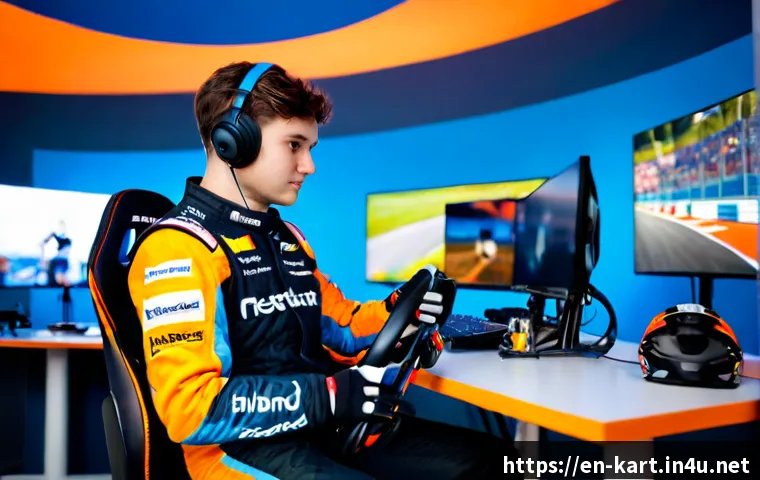
Expensive gear is not automatically required, but a wired connection, comfortable controls, or coaching can be sensible if they address your real weak point.
Start with eligibility, supported game version, account requirements, and the event schedule before planning your training. Then use focused practice and replay review to reduce the mistakes that keep returning under pressure.
Hardware and team tools should support consistency, not replace it. Before spending, compare the likely benefit of an upgrade with the risk of changing your setup too close to competition.
At a Glance
- Rules come first: confirm eligibility, game version, account status, permitted tools, and check-in procedures in the official event rules.
- Practice for consistency: focus on track knowledge, starts, drifting, shortcuts, item decisions, and recurring errors in replays.
- Stability beats last-minute novelty: test your normal equipment, communication method, and network setup before race day.
| Decision Area | Keep Your Current Setup | Upgrade Before Competition | Best Choice When |
|---|---|---|---|
| Internet connection | No new purchase; continue with a setup that has been stable in practice. | May involve a wired network connection or a more reliable internet plan. | Your current connection causes interruptions, inconsistency, or avoidable worry. |
| Controller or keyboard | Keep familiar inputs and preserve established muscle memory. | Consider a more comfortable option if discomfort or unreliable inputs affect practice. | Your current controls create a clear comfort or consistency problem. |
| Display and headset | Use the display and audio setup you already understand. | Consider a gaming monitor or headset only if visibility, comfort, or communication is limiting you. | You can identify a specific issue that the equipment would solve. |
| Coaching and team tools | Use self-review, shared notes, and simple communication habits. | Consider tournament coaching or team communication software for structured feedback and coordination. | Your main bottleneck is decision-making, review quality, or team coordination. |
Start With the Requirements That Can End a Tournament Run
A strong race does not help if you are not eligible to start. Before practicing heavily, read the official event information and make a personal checklist. Specific KartRider global tournament requirements can vary, so do not assume that a game version, region, account, controller, overlay, or voice tool used in one event is accepted in another.
Verify Game Version, Region, Account Status, Eligibility, and Match Schedule
Confirm the supported game version and your region before building a practice plan. Review account-verification requirements, eligibility conditions, roster rules, and match times. Put check-in time, match time, and any required registration steps in one calendar that every player can access. Use the official rules as the final authority, especially when information shared in community chats conflicts with the event page.
Build a Rule-Check Routine for Prohibited Tools, Peripherals, and Communication Methods
Create a short rule-check routine before each stage of preparation. List every tool you plan to use: controller, keyboard, display software, overlays, network settings, recording tools, and communication software. Then verify whether each one is permitted. This is especially important for third-party controllers and team communication tools, because permission cannot be assumed for a particular tournament.
Create a Backup Plan for Check-In, Device Issues, and Connection Problems
Prepare for ordinary problems without improvising under pressure. Keep your account details accessible, know where official announcements will appear, and make sure teammates understand the check-in plan. If a device or connection problem occurs, follow the event’s stated process rather than relying on assumptions. A backup plan should be simple, rule-compliant, and tested in advance.
Build a Practice Plan for Consistent Race Results
More play time is useful only when it produces clearer decisions and fewer repeat mistakes. Divide practice into skill areas instead of treating every session as random racing. Your goal is not one perfect run; it is a performance level you can reproduce during qualifying and race-day pressure.
Prioritize Track Knowledge, Starts, Shortcuts, Drift Control, and Item Decisions
Start with the tracks and race situations that matter for your event format once they are confirmed. Practice starts until your opening decisions feel familiar. Review lines, shortcuts, drift timing, recovery routes, and item choices separately when possible. For item races, discuss what information matters most: when to support a teammate, when to protect position, and when recovering safely is better than forcing a risky move.
Use Replay Review to Identify Repeat Mistakes Instead of Only Increasing Play Time
Replay review turns vague frustration into useful evidence. After a difficult session, look for patterns: missed drift timing, poor shortcut entries, repeated collisions, late item use, or panic after a setback. Choose one or two corrections for the next practice block. A specific review note is more actionable than “play better.” For example, note the race situation, the decision you made, and the alternative you want to test.
Track Practice Results With Measurable Goals for Qualifying and Race-Day Consistency
Use a simple practice log. Record the track or mode, the focus skill, what went wrong repeatedly, and what improved. You do not need complicated analytics to see whether a problem is shrinking. For solo players, this can be a personal checklist. For duos and teams, a shared document can keep practice goals aligned and prevent everyone from preparing for a different priority.
Compare Equipment and Connection Upgrades Before Spending
Buy for a confirmed bottleneck, not for tournament anxiety. Gaming hardware, low-latency internet options, and esports coaching can be useful, but only when they solve a problem you have already observed in practice. A familiar setup that works reliably may be safer than a new setup that has not been tested under pressure.
Wired Versus Wi-Fi: When Lower Connection Risk Matters More Than Convenience
A wired network connection is worth considering when Wi-Fi stability is uncertain or when your current setup makes you worry about interruptions. Online racing depends on a stable connection, and a wired setup can be easier to test consistently. However, confirm that any network settings or tools you intend to use are allowed by the tournament rules. Run practice sessions with the same connection arrangement you expect to use on race day.
Controller, Keyboard, Monitor, and Headset Choices for Competitive Comfort
Choose controls based on comfort, familiarity, and reliable input. A controller or keyboard change may help if your current option causes discomfort or inconsistent execution, but changing inputs right before an event can disrupt established habits. A gaming monitor may be worth comparing if your display experience makes it harder to read race situations comfortably. A headset is most useful when clear team communication is needed and the event permits your chosen communication method.
When Paid Coaching, Team Practice Tools, or a Hardware Upgrade May Offer Better Value
Coaching can be a better choice than hardware when your equipment is stable but your replay review lacks direction. A coach may help identify inefficient lines, race decisions, or practice priorities. Team practice tools may be more valuable when players miss sessions, lose track of responsibilities, or communicate inconsistently. Hardware is the stronger choice when you can point to an actual stability, comfort, or reliability issue. Compare coaching options, communication software features, and gaming equipment specifications based on your own bottleneck.
Avoid Expensive Changes Too Close to the Event
Do not turn race week into a setup experiment. A new controller, display, headset, router arrangement, or communication platform can introduce unfamiliar settings and distractions. If you make a change, test it through normal practice and a full team rehearsal. Stability is a competitive advantage when the format is online.
Prepare Race-Day Operations and Team Communication
Race-day preparation should reduce decisions that have nothing to do with driving. Set up your environment, confirm your schedule, and agree on how the team will communicate before the first lobby opens. The best communication system is usually the one everyone can use clearly without overloading the race.
Set Up a Clean, Distraction-Free Play Environment
Use a quiet, comfortable space where your equipment can remain unchanged. Charge or connect the devices you need, reduce unnecessary notifications, and keep water and essentials nearby before check-in. Confirm that your game, account, network connection, and approved communication setup are ready early enough to solve simple problems calmly.

Use Short Callouts for Starts, Items, Blocking, and Recovery Decisions
Team callouts should be brief and meaningful. Agree on simple language for starts, item support, blocking, danger, and recovery. Avoid long explanations while teammates are driving. For duos and teams, the useful question is not “Who talks most?” but “What information changes our next decision?”
Run a Full Rehearsal With the Same Equipment, Network, and Communication Setup
Before the event, run a rehearsal that resembles race day. Use the same controller or keyboard, display, network connection, headset, and communication method. Practice joining on time, confirming readiness, and handling short breaks between races. This rehearsal can reveal problems that individual practice does not, such as unclear callouts or one player using an untested setup.
Adjust Your Preparation for Solo Qualifiers, Duos, and Teams
The right preparation changes with the size of your roster. Solo preparation centers on self-management; team preparation adds coordination and contingency planning. Keep the structure simple enough that it still works when players are tired or under pressure.
Solo Players: Focus on Personal Consistency and Self-Review
Solo qualifiers reward reliable execution and honest review. Build a routine for warming up, reviewing mistakes, and resetting after a poor race. Focus on controllable actions: starts, lines, drifting, shortcut choices, and recovery. Avoid changing several parts of your routine at once, because it becomes difficult to learn what actually helped.
Duos: Define Roles for Pace, Item Support, and Recovery
Duos should decide who leads calls in common situations and how each player responds after a mistake. Discuss pace, item support, blocking decisions, and recovery priorities before the event. Roles do not need to be rigid, but uncertainty should not appear for the first time during a race.
Teams: Establish Roster Responsibilities, Practice Schedules, and Substitute Plans
Organized amateur teams benefit from clear ownership. Assign responsibility for schedule tracking, rule updates, replay collection, communication setup, and roster confirmation. If substitutes are allowed, verify the conditions in the official rules and practice enough that a replacement understands the team’s callouts. Do not assume a substitute process exists unless the event documentation confirms it.
Selection Criteria and Comparison Summary Before You Commit
Choose your next step by identifying the biggest limitation first. Check whether your issue is skill, connection stability, physical comfort, display clarity, or coordination. Compare the likely benefit of focused practice, replay review, tournament coaching, gaming hardware, and a more stable internet setup. Favor the option you can test before the event. Official guidance and detailed product or service conditions should be reviewed on the relevant page before you commit.
Choose Your Next Upgrade
- Wired internet: consider it when connection stability is your clearest concern and you can test the setup before competing.
- Display refresh rate: compare monitor options when your current display creates a genuine visibility or comfort issue, not just because it is marketed for esports.
- Controller comfort: consider a different controller or keyboard when discomfort or unreliable inputs repeatedly affect your practice.
- Coaching: prioritize coaching when you need informed replay feedback, better practice structure, or help with race decisions.
- Team tools: use communication software or shared planning tools when your group needs clearer callouts, scheduling, and review habits.
Final Pre-Event Checklist for Rules, Setup, Schedule, and Mental Readiness
Confirm the official rules, eligibility, account status, game version, region, and schedule. Test your approved setup with the connection and communication method you plan to use. Review your key practice notes, but avoid cramming too many new ideas at the end. Enter the event with a short plan: drive your practiced lines, communicate clearly, recover calmly, and make decisions based on the race in front of you.
Closing Thoughts
International KartRider tournament preparation is mostly about removing preventable risks. Verify every requirement that could affect eligibility, then build practice around repeatable execution rather than random volume. Spend on internet reliability, gaming equipment, coaching, or team tools only when the purchase addresses a known limitation. A stable and familiar setup gives you more room to focus on the race itself.
Useful Things to Know
First: official event rules can change, so review them again close to the event. Second: replay review is useful for both solo players and teams because it exposes repeat decisions. Third: communication should be short enough to help, not distract. Fourth: a full rehearsal is the safest way to find avoidable setup problems.
Important Notes
This is a general preparation guide, not a statement of requirements for a specific KartRider global tournament. Event availability, format, eligibility, supported game version, regional conditions, permitted peripherals, communication tools, network settings, roster rules, and account-verification requirements must be confirmed through the official event rules. Do not rely on general tournament habits when a specific rule is unclear.
Frequently Asked Questions
Q1. Do I need expensive gaming equipment to compete in an international KartRider tournament?
A1. Not necessarily. Start by confirming tournament requirements and testing whether your current setup is stable and comfortable. An upgrade may make sense when it solves a specific problem such as unreliable inputs, poor comfort, unclear communication, or connection instability. Avoid buying equipment simply because it appears popular in competitive gaming.
Q2. Is a wired internet connection worth paying for before an online racing competition?
A2. It can be worth considering when your current Wi-Fi setup is inconsistent or creates concern about stability. Test a wired connection well before the event, and confirm that your intended network setup follows the official tournament rules. The key benefit is reducing avoidable connection risk, not making an untested last-minute change.
Q3. Should an amateur KartRider player buy coaching or upgrade hardware first?
A3. Choose based on the clearest bottleneck. If your setup is stable but you repeat the same racing or decision-making mistakes, coaching and replay feedback may be more useful. If your equipment or connection repeatedly interferes with practice, a hardware or network upgrade may come first. Test the change before competition whenever possible.