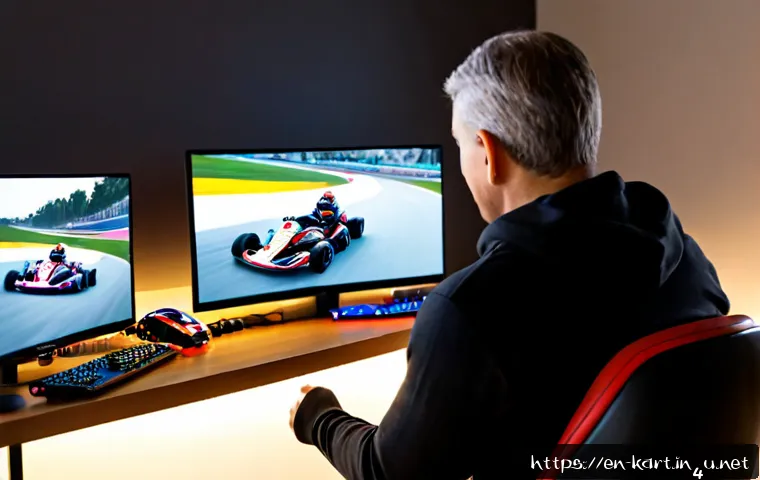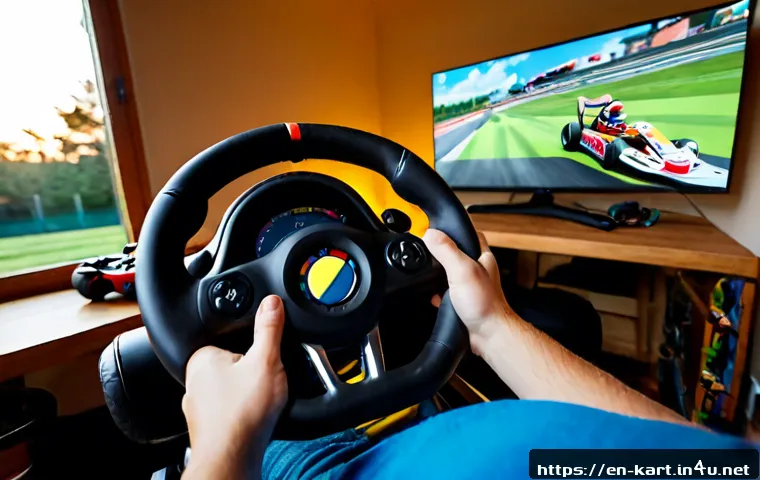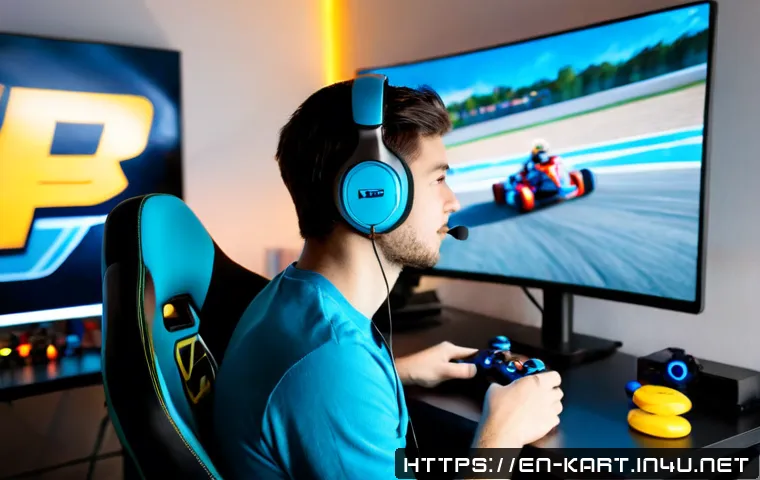
Popular KartRider streamers usually rely on repeatable fundamentals rather than hidden tricks: track knowledge, clean drift timing, boost management, replay review, and reliable streaming gear.
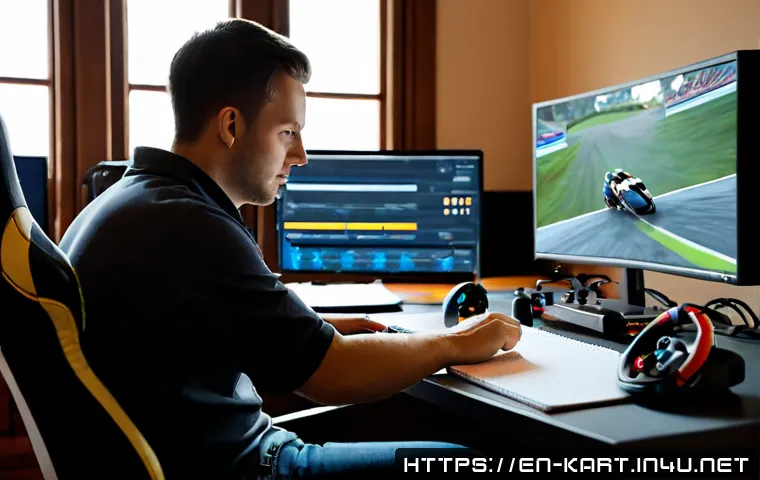
Learn what to practice first and when upgrades are worth considering.
Top KartRider creators usually become consistent through repeatable fundamentals, not a secret controller setting or one expensive upgrade. Clean racing lines, controlled drift timing, boost management, and track familiarity matter before new gear does.
If your races fall apart in the same corners, focused practice and replay review are usually the most useful first steps. A controller, headset, monitor, capture device, or coaching service can be worth considering when comfort, reliability, or outside feedback is the real bottleneck. The right choice depends on whether you want cleaner casual races, stronger ranked consistency, or a more dependable livestream. Since strategies can change by version, mode, kart, track, and updates, test any advice in your own races.
At a Glance
- Practice first: consistent lines, drift timing, and boost use are the foundation of faster, cleaner races.
- Review repeated mistakes: recordings can reveal early turns, missed boosts, collisions, and weak recovery choices.
- Upgrade with a reason: buy gaming peripherals or streaming equipment only when comfort or technical reliability limits progress.
| Current Problem | Best First Option | What to Check Before Spending |
|---|---|---|
| You miss the same corner or hit hazards repeatedly | Track practice and replay review | Is the issue your entry line, drift timing, or recovery route? |
| Your inputs feel uncomfortable or inconsistent | Compare a controller or control setup | Look for comfort, button layout, and compatibility with your platform. |
| Viewers hear interruptions or see unstable video | Improve streaming setup reliability | Check audio, video, capture workflow, and internet stability first. |
| You understand mistakes but cannot identify the next adjustment | Community feedback or coaching | Make sure the feedback fits your game version, mode, and goals. |
The Real Advantage Behind Consistent KartRider Racing
Why Clean Laps Beat One Lucky Shortcut
A flashy shortcut can look impressive, but a clean lap is easier to repeat. Strong racers tend to protect their speed by entering corners with control, drifting at a usable moment, and leaving room to recover when something goes wrong. A route that works once but causes frequent collisions is not automatically the best route for your current skill level.
Consistency is the advantage because it gives you more chances to use boosts well and fewer reasons to panic after a mistake. Learn the basic line first. Then test faster or more advanced routes after you can finish the section reliably.
The Four Habits Viewers Often Notice in Strong Racers
First, they appear to know the turn sequence before reaching it. Second, their corner entries look deliberate instead of rushed. Third, their boost use supports the next section rather than being spent without a plan. Fourth, when they collide or lose speed, they recover without turning one error into several more.
These habits are visible, but a streamer’s results do not reveal every private setting, practice routine, or piece of hardware. Avoid assuming that copying a visible kart, controller, or route will recreate another player’s performance.
A Quick Self-Check Before Changing Settings or Buying Gear
Ask three simple questions: Do I know where the error begins? Does it happen on multiple tracks? Can I reproduce it in a recording? If you turn too early, miss drift exits, or waste boosts in similar situations, a new peripheral is unlikely to solve the main problem.
If your hands feel strained, inputs are uncomfortable, or your stream repeatedly suffers from audio and connection issues, equipment may deserve more attention. Identify the bottleneck before shopping.
Practice Methods That Improve Results First
Learn One Track Section at a Time
Do not judge a practice session only by the final race result. Break a track into sections: opening turns, technical corners, boost sections, hazards, and recovery routes. Focus on one section until you understand where to begin turning, where to drift, and how to exit without losing control.
Track familiarity helps reduce avoidable mistakes because you learn the order of turns and possible hazards. If a section fails repeatedly, simplify the goal. A controlled exit is more valuable than forcing an advanced line too soon.
Review Drift Entries, Exits, and Boost Timing
Recorded matches and replay review are useful because memory can be misleading during a fast race. Watch for repeated patterns: entering a turn too early, starting a drift too late, colliding after a boost, or missing a useful boost opportunity.
Use a short review checklist:
- Did I approach the corner from a stable racing line?
- Did the drift begin too early, too late, or at a controllable point?
- Did my exit set up the next turn?
- Did I use a boost with a clear purpose?
- After an error, did I choose a practical recovery route?
Change one thing at a time. Multiple changes make it harder to tell what actually improved the result.
Build a Repeatable Warm-Up Routine
A warm-up does not need to be complicated. Use a familiar track or section to check basic steering control, drift timing, and boost decisions. The goal is not to prove you are fast immediately. It is to enter races with stable inputs and a clear feel for your timing.
Keep settings stable long enough to learn from them. Constant sensitivity or control changes can hide whether the issue is your execution or the setup itself.
Free Practice vs. Gear, Coaching, and Streaming Upgrades
What Costs Nothing but Time
Track repetition, replay review, basic route notes, and recorded-match comparison are practice tools that do not require a purchase. They are especially useful when your errors are tied to corner entry, drift timing, boost management, or unfamiliar hazards.
For many players, free practice produces the clearest answer first: is the weakness a skill pattern, or is there a comfort and reliability problem around the setup?
When a Controller, Headset, or Monitor May Be Worth Considering
A gaming controller may be worth comparing if your current controls feel uncomfortable or make consistent input difficult. A gaming headset can be useful for creators who need clearer, more reliable audio while playing and communicating. A monitor upgrade may be worth researching when your current display setup is a comfort or visibility bottleneck.
For streaming, a capture device and stable connection matter when your workflow has recurring video, audio, or connectivity interruptions. Compare compatibility, connection requirements, comfort, and reliability—not just feature lists. Check official product details and current conditions on the relevant product page before buying.
When Coaching or Community Feedback Can Add Value
Coaching or knowledgeable community feedback can help when you can see that something is wrong but cannot identify the cause. A second set of eyes may notice a repeated drift entry error, poor boost timing, or a route decision you overlook during live play.
Paid feedback is not automatically necessary. Start by checking whether the coach or community understands your title, mode, and current goals. Strategies vary across game versions, tracks, karts, and updates, so generic advice may need adjustment.
Common Mistakes That Make Fast Players Look Inconsistent
Copying Advanced Routes Before Mastering Basic Lines
Advanced routes can demand precise timing and leave little room for recovery. If copying one causes frequent crashes, use the safer line until it becomes automatic. The best route is the one you can execute consistently in real races, not only in a perfect attempt.
Changing Sensitivity or Controls Too Often
Frequent changes can create confusion. Give a control setup enough time to reveal patterns in your driving. If you change settings, record what changed and compare it against the same section of track instead of judging from one random race.
Letting Stream Setup Problems Interrupt Practice
New creators sometimes spend more energy fixing overlays, audio, or capture issues than driving. Separate gameplay practice from stream testing when possible. Stable audio, video, and internet connectivity support a watchable stream, but they do not replace track knowledge and execution.
Advice by Goal: Casual Racing, Ranked Improvement, or Streaming
For Players Trying to Finish Races More Cleanly
Prioritize track familiarity and safe corner exits. Learn hazards, keep your racing line simple, and use recordings to spot the one mistake that appears most often. You do not need an elaborate setup to begin improving.
For Competitive Players Chasing Consistent Lap Performance
Focus on repeatable drift timing, boost planning, and recovery routes. Review races for small errors that happen often rather than only dramatic crashes. Once your basic line is reliable, test more demanding routes section by section.
For Creators Building a Watchable Racing Stream
Viewers benefit from clear gameplay and dependable audio as much as exciting race moments. Build a workflow that lets you race without frequent technical interruptions. A comfortable controller, practical headset, and compatible capture setup can be useful purchases when they solve a specific streaming problem.
Selection Criteria and Comparison Summary
Choose Practice When Execution Is the Main Problem
Choose practice when the same corners, drifts, boosts, or hazards cause errors. Use track sections, recordings, and a stable warm-up routine before assuming a hardware limitation.
Choose Equipment When Comfort or Reliability Is the Bottleneck
Consider gaming peripherals when your control method is uncomfortable, your audio is unreliable, or your streaming workflow is interrupted by technical problems. Prioritize compatibility, comfort, connection options, and reliability over marketing claims.
Choose Feedback or Coaching When Progress Has Stalled
Consider coaching or community review when you have recordings and practice time but still cannot isolate the next adjustment. Useful feedback should be specific to your repeated mistakes and relevant to your current game environment.
Before choosing your next upgrade, check: whether the issue repeats, whether you have reviewed footage, whether your current controls are comfortable, whether your stream has a genuine technical bottleneck, and whether advice applies to your version and mode. For controllers, headsets, capture devices, or coaching options, review the official details and current terms on the relevant page.
Final Thoughts
The most useful “secret” behind consistent KartRider racing is usually a process: learn the track, clean up corner entries, manage boosts, and review repeated errors. Gear can improve comfort or technical reliability, but it cannot replace driving fundamentals. Start with the smallest change that addresses your actual problem. That approach keeps both practice time and equipment spending focused.
Useful Things to Know
Track knowledge: Learn turn order, hazards, and recovery options before forcing difficult routes.
Replay review: Look for repeated errors, not just one bad crash.
Stable settings: Keep controls consistent long enough to evaluate your driving.
Streaming reliability: Clear audio, stable video, and dependable connectivity support a better viewer experience.
Important Notes
No individual streamer’s exact practice schedule, controls, hardware, settings, or strategy can be assumed from visible gameplay. Specific kart balance, modes, tracks, services, product availability, pricing, and regional access can change. Test strategies in your own version of the game and confirm current product or service details before making a purchase.
Frequently Asked Questions
Q1. Do I need an expensive controller to improve at KartRider?
A1. Not necessarily. If your main issue is racing lines, drift timing, boost use, or track familiarity, focused practice is usually the better first move. Consider a controller when your current input method is uncomfortable or creates a clear consistency problem.
Q2. What should I practice first to become more consistent on KartRider tracks?
A2. Start with track sections that cause repeated mistakes. Practice corner entry, drift exit, boost timing, and recovery routes. Record or review matches so you can tell whether you are turning early, missing boosts, or colliding in the same situations.
Q3. Is paid coaching worth it for a KartRider player who wants to stream or compete?
A3. It can be useful if you have practiced, reviewed your races, and still cannot identify what to change. Look for feedback that is specific to your game version, mode, and goals. Coaching is not a guaranteed improvement, and basic replay review may be enough for some players.