KartRider fan art contests gain momentum when artists understand the brief, create a focused idea, and submit work that meets every requirement. You do not need premium equipment to enter, but the right digital art software or drawing tablet can make your workflow more comfortable when it solves a real limitation.
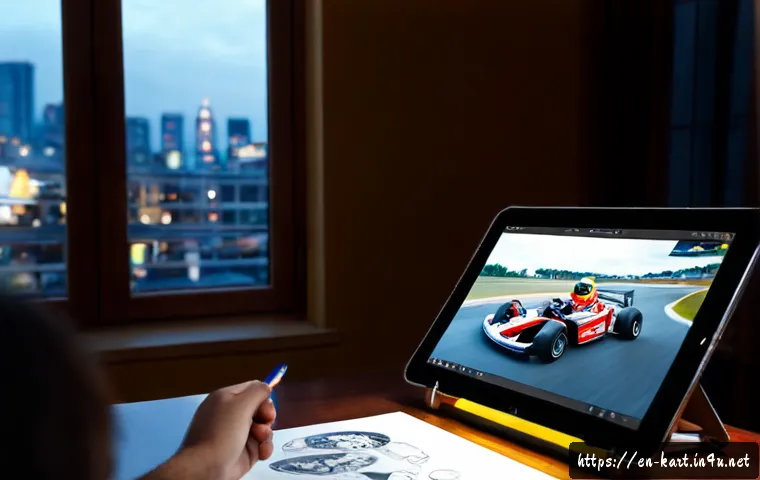
For participants, clear rules and a manageable production plan matter more than chasing every feature in a creative suite. For organizers, transparent judging, sensible permission terms, and visible promotion make a contest easier to trust and share.
Prize planning also works best when it considers recognition, creator-useful rewards, and portfolio exposure alongside cash. Before entering or launching a contest, compare the rules, creative tools, and prize structure with your actual goal in mind.
At a Glance
- Participants: Prioritize theme relevance, original ideas, file requirements, and the submission deadline before upgrading your tools.
- Artists choosing tools: Free software can be enough for a strong entry; paid illustration software or a drawing tablet is most useful when it improves your established workflow.
- Organizers: Clear eligibility, rights terms, judging criteria, and promotion channels help build confidence and participation.
| Decision Area | Option A | Option B | Best Question to Ask |
|---|---|---|---|
| Art software | Free tools | Paid illustration software | Do you need a specific workflow feature, or can you finish the entry well with your current tools? |
| Input method | Mouse | Drawing tablet | Will a tablet improve your control, comfort, or speed enough to matter for this project? |
| Prize appeal | Cash or merchandise | Showcase or portfolio exposure | Which reward supports your immediate creative goal? |
Why Fan Art Competitions Gain Traction in Gaming Communities
Recognizable game worlds create easy creative starting points
KartRider fan art contests benefit from a familiar visual world: characters, racing energy, vehicles, and playful competition can all give artists a clear starting point. That familiarity also helps viewers understand an image quickly when it is shared through community channels. A strong contest does not need every entry to look alike; it needs a theme broad enough for different interpretations while still feeling connected to the game.
Artists and viewers need a reason to care
A contest feels worthwhile when the path is easy to understand. Participants should be able to find the eligibility rules, deadline, judging criteria, prize terms, and usage permissions without guessing. Viewers are more likely to engage when entries are showcased clearly and voting, if used, has understandable limits. Promotion can influence entry volume, audience voting, and post-contest visibility, so organizers should use relevant community channels rather than relying on one announcement.
What Makes an Entry Stand Out Without Overspending
Use a clear concept before adding more detail
An effective entry usually starts with theme relevance, readable composition, and one clear creative idea. A character concept, illustration, comic, or social-media-ready image can all work if the main message is visible at a glance. Before refining small details, check whether the racing mood, character action, or contest theme still reads clearly. Avoid assuming that a more complex image is automatically a better fit.
Free software, paid creative suites, and drawing tablets
Free digital art software is a practical choice when it supports the file format and export needs of the contest. Paid illustration software may be worth considering when its tools fit your regular process, such as layer management, brush control, or presentation work. A drawing tablet can be useful for artists who want more direct line control than a mouse provides, but it is not a requirement for creativity or eligibility. Compare drawing tablet specifications, software compatibility, and export options based on your own workflow—not on premium features you may never use.
Compare prize value beyond the headline reward
Cash is easy to understand, but it is not the only useful prize. Official recognition, featured showcases, digital-art tools, merchandise, and portfolio exposure can also motivate entrants. Consider whether the prize gives you something you can use after the contest: a public feature may support a portfolio goal, while creator-useful equipment may fit a long-term art practice. Read the exact prize conditions and regional availability before treating any reward as a deciding factor.
A Practical Entry Workflow From Brief to Submission
Read the rules before sketching or buying tools
Start with a short checklist: eligibility, deadline, accepted entry formats, file specifications, judging criteria, prize terms, and artwork permissions. This prevents a common waste of effort: finishing an image that cannot be submitted in the required form. If the rules do not clearly address AI-assisted artwork, mature themes, third-party assets, or commercial use, do not make assumptions. Check the official contest information or ask the organizer for clarification.
Plan for revisions and final export
Build a simple production schedule with room for a concept check, drawing, color or rendering, final review, and export. Keep the final submission step separate from the creative step. That gives you time to confirm file naming, dimensions, format, and upload requirements without rushing at the deadline. Save an editable version where possible, then create the required final file only after reviewing the contest brief again.
Check ownership, credits, and permission requirements
Your entry should be original in its creative execution. If the contest asks for credited assets or specific permission language, follow those instructions precisely. Organizers should state how submitted artwork may be displayed, shared, or reused, so artists can make an informed choice before entering. A visible rights policy is not a minor detail; it is part of a trustworthy contest structure.
Common Contest Mistakes That Reduce Your Chances
Missing technical requirements or the deadline
A polished illustration can still fail the entry process if it is uploaded late or does not meet the listed specifications. Make a final pre-submission check part of the workflow. Confirm that you are using the required channel and that the artwork is attached in the requested format.
Following a popular style too closely

Reference is useful, but copying a popular visual formula too closely can weaken your originality. Use the KartRider theme as a prompt, then choose a distinct scene, mood, character interaction, or storytelling angle. Judges can more easily evaluate an entry when the artist’s own choices are visible.
Treating community votes as guaranteed results
Community engagement can help visibility, but votes should not be viewed as a guaranteed outcome. Promotion, timing, and audience reach can all affect voting activity. If public voting is part of a contest, review how it is used alongside the judging framework instead of assuming popularity alone determines the result.
Different Strategies for New Artists, Portfolio Builders, and Organizers
First-time entrants: keep the project focused
Choose one idea you can finish confidently. A clean character illustration or a simple racing scene may be more effective than an oversized concept that becomes difficult to complete. Use the contest as a chance to practice meeting a brief, exporting correctly, and presenting your work clearly.
Experienced creators: show a specific strength
Experienced artists can use the brief to demonstrate a portfolio skill: expressive character work, dynamic composition, comic storytelling, polished rendering, or social-media-ready design. The goal is not merely to add detail. It is to make the entry recognizable as your work while staying aligned with the theme and rules.
Organizers: balance rewards, transparency, and moderation
Organizers should match the prize structure to the community’s likely interests and clearly explain how judging will work. A visible framework based on originality, theme relevance, technical execution, and presentation can reduce confusion. Plan moderation needs as well, especially if entries or audience voting will be shared across several community channels.
Selection Criteria and Comparison Summary
Before entering, choose contests with clear artwork rights, realistic deadlines, stated technical requirements, and transparent judging. Choose free or paid creative tools based on whether they support your actual production needs, including compatible file export and a comfortable input method. Compare drawing tablets by workflow fit rather than assuming a more advanced model will improve the concept itself. Evaluate prizes through cash value, useful creator rewards, recognition, and potential portfolio relevance. Finally, decide whether your main goal is exposure, skill-building, a finished portfolio piece, or the prize itself. For official rules, detailed conditions, and available creative tools, check the relevant contest or product page before making a commitment.
Closing Thoughts
KartRider fan art contests can create lasting community interest when participation feels accessible and the rules feel dependable. Artists benefit most from planning early, keeping the idea clear, and treating the submission requirements as part of the artwork process. Organizers benefit from being specific about judging, prizes, permissions, and promotion. The best result is not always a win; it can also be a finished piece that shows your skills clearly.
Useful Things to Know
1. A simple, readable concept can be more effective than excessive detail.
2. Free art software may be sufficient if it meets the contest’s technical requirements.
3. A drawing tablet is a workflow choice, not a condition of artistic potential.
4. Rights and reuse terms deserve the same attention as prize details.
5. Exposure is valuable only when the showcase and credit practices are clearly explained.
Important Notes
Specific KartRider fan art contests may have different official status, sponsors, judges, eligibility rules, prize pools, and submission restrictions. This guide does not confirm the rules of any particular event. Always verify current official terms, regional prize eligibility, accepted content, and permission conditions before submitting artwork or purchasing creative tools.
Frequently Asked Questions
Q1. Do I need an expensive drawing tablet to enter a KartRider fan art contest?
A1. No. A contest may accept digital art created through different workflows, but the exact technical requirements must be checked in its rules. Consider a drawing tablet if it improves your control or comfort; do not treat expensive hardware as a substitute for a clear concept and compliant submission.
Q2. How can I tell whether a fan art competition is safe and worth entering?
A2. Look for clear eligibility, deadlines, file specifications, judging criteria, prize terms, and artwork permission language. A reliable contest should explain how entries may be displayed, shared, or reused. If important points are missing, seek clarification through the organizer’s official communication channel before submitting.
Q3. What should organizers include in a fair prize and judging structure?
A3. Organizers should state the prize terms, eligibility conditions, judging criteria, and how community voting is used, if applicable. A framework that visibly considers originality, theme relevance, technical execution, and presentation can help participants understand what matters. Prize planning can include cash, recognition, showcases, digital-art tools, merchandise, or portfolio-oriented benefits, provided the terms are clearly communicated.