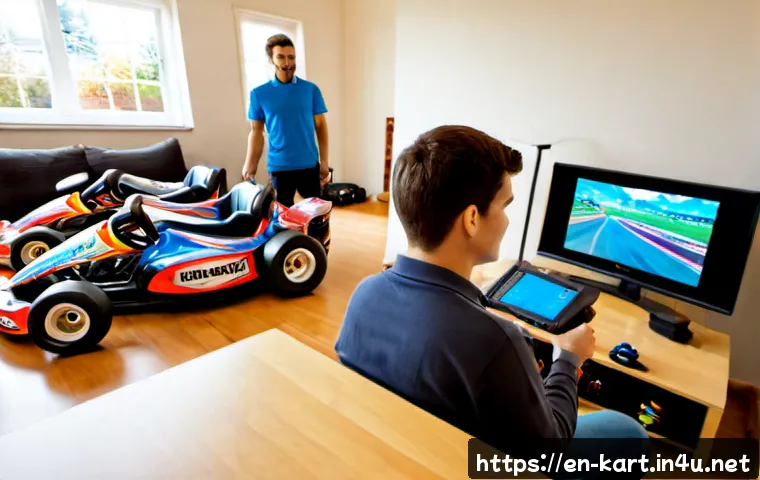
Paid coaching can be useful for a new KartRider player when it identifies a few repeatable mistakes in controls, drifting, and racing lines. Free practice is often enough for basic familiarity, but structured feedback may be worth considering if you keep repeating the same errors without knowing why.
The best beginner program is not the one that promises fast rank gains; it is the one that explains your mistakes and gives you a practical routine. Compare live coaching, replay review, group lessons, and self-guided plans before choosing a gaming coaching service.
KartRider is a Nexon racing-game franchise known for arcade-style racing, drifting, item play, and competitive modes. Because title availability, regional servers, and coaching options can vary, check the current game and platform details before booking anything.
At a Glance
- Solo practice can be enough when you understand the basics and can identify your own mistakes.
- Paid coaching is more useful when feedback is specific, repeatable, and tied to a practice plan.
- Compare the session format, feedback method, package terms, and cancellation policy before paying.
| Coaching Format | Best Use Case | Time Commitment | Feedback Depth | Ask Before You Buy |
|---|---|---|---|---|
| One-to-one live coaching | Players who want mistakes corrected as they play | Scheduled session | Usually immediate and interactive | How will the coach review my driving and set practice goals? |
| Replay review | Players who need flexible feedback on specific races | Record and submit gameplay | Depends on the written or video breakdown | Will I receive actionable notes on lines, drifts, and decisions? |
| Small-group lessons | Players who prefer shared learning and community practice | Scheduled group session | May be less personalized | How much individual feedback does each player receive? |
| Self-guided training plan | Players who want structure without live instruction | Flexible independent practice | Limited unless review is included | Does the plan explain what to practice and how to assess progress? |
Is Coaching Worth It for a New Kart Racing Player?
Coaching can be worthwhile when it turns vague frustration into a clear next step. A useful beginner lesson should focus on observable habits: entering corners too early, drifting at inconsistent moments, losing speed on exits, or using items without considering the race situation. It should not rely on broad claims that more races alone will solve everything.
The Fastest Gains Usually Come From Fixing a Few Repeatable Habits
New players often try to improve every part of a race at once. That creates confusion. A better training approach isolates a small number of repeatable skills, such as holding consistent inputs, following a cleaner racing line, and timing drifts with purpose.
Repeatable feedback matters more than generic encouragement. “Take a wider approach into this corner, then focus on your exit” is more useful than “drive faster.” A coach should be able to explain what happened, why it cost time or control, and what you should test in your next practice run.
When Solo Practice Is Enough—and When Outside Feedback Helps
Solo practice is a sensible first choice if you are still learning the controls, exploring tracks, and becoming comfortable with arcade-style racing. Use a consistent setup and repeat the same section of a track until your inputs feel less random.
Outside feedback can help when you finish races regularly but cannot explain why you lose ground in corners, why your drift timing changes from lap to lap, or why your item decisions create avoidable risks. In that case, a replay review or a single live session may reveal a specific issue faster than unstructured race volume.
Three Quick Questions to Answer Before Paying for Lessons
- Can I name the skill I want help with: controls, drifting, track lines, item play, or race awareness?
- Does the coach explain how feedback will be delivered and what I should practice afterward?
- Have I confirmed that the relevant KartRider title, mode, and service are available in my region?
Compare Beginner Coaching Formats Before You Book
There is no single best online gaming lesson format. The right choice depends on whether you need immediate correction, flexible analysis, community practice, or a simple structure you can follow alone. Look beyond the package label and focus on what feedback you will actually receive.
One-to-One Live Sessions
One-to-one live coaching is suited to players who learn best through immediate correction. A coach may watch your gameplay, discuss a corner or racing decision in real time, and adjust the next drill based on what happens during the session.
This format can be valuable if you struggle to recognize mistakes while driving. Before booking, ask whether the session includes a practice target after the call and whether the coach can work with your current game, region, and mode. A live format is only useful if the instruction is clear enough to repeat later on your own.
Replay Review and Written Feedback
Replay analysis is a practical option when scheduling live sessions is difficult. You provide recorded gameplay, and the coach responds with written notes, annotated observations, or another agreed feedback method. It works best when you submit a clear example of the problem you want to solve.
Ask for specifics. Strong replay feedback identifies moments to review: approach line, drift initiation, corner exit, item timing, or defensive positioning. Weak feedback only says that you need more practice. For a lower-commitment coaching comparison, make sure you know whether follow-up questions are included.
Small-Group Classes and Community Practice Sessions
Small-group lessons can make learning feel less isolating. You may hear questions that you had not considered, watch different driving styles, and practice in a more social setting. They can also be useful for learning broad concepts such as racing lines, item awareness, or common drift errors.
The trade-off is less individual attention. Ask how the group is organized, whether participants receive personal feedback, and whether the session is aimed at beginners or experienced competitive players. A mixed-skill group may not match your current needs.
Self-Guided Training Plans
A self-guided plan can offer structure without the cost or scheduling of live lessons. The plan should break practice into manageable goals rather than telling you to race more. For example, one practice block may focus on input consistency, while another focuses on clean exits from selected corners.
Choose this format if you are comfortable reviewing your own gameplay and following a routine. It is less suitable if you cannot tell whether a drift or line is improving. In that case, combine independent practice with occasional replay feedback rather than buying a large package without an evaluation point.
What a Useful First Training Plan Should Cover
A beginner kart racing coaching program should create a foundation before it moves into advanced competition goals. The order matters: stable controls first, clean driving habits next, then race decisions. A plan that skips straight to rankings or vague “pro” techniques may not fit a new player.
Controls, Camera, and Input Consistency
Start with the settings and inputs you can repeat. Whether you use a controller, keyboard, or another racing peripheral, consistency is more important than constantly changing your setup. A coach or training plan should help you identify whether your inputs are causing unstable steering, late corrections, or unpredictable drifts.
Do not assume a new gaming peripheral will fix a technique problem. Hardware and settings are worth reviewing when they clearly interfere with comfort or control, but practice still needs a defined goal. If you compare beginner-friendly controllers or racing accessories, look at compatibility and comfort for your own platform rather than treating equipment as a shortcut.
Racing Lines, Drift Timing, and Corner Exits
For many beginners, the key lesson is that a corner is not finished when you enter it. Your approach, drift timing, and exit direction affect the next section of track. A useful lesson should show you where your line becomes inefficient and what a more controlled exit looks like.
Focus on one corner type or track section at a time. Trying to copy every advanced-looking drift in a single race can make driving less consistent. The goal is clean, repeatable control, not a flashy run that cannot be reproduced.
Item Decisions, Defensive Driving, and Race Awareness
KartRider games are known for item play as well as racing mechanics. That means race awareness matters. A beginner program can cover when to protect your position, when to use an item, and when aggressive choices create unnecessary risk.
Good coaching should explain the decision behind an action. It should not frame every race as a pure speed test. Track position, nearby players, and the current race situation can influence whether an item should be used immediately or saved.
Building a Short Practice Routine Between Lessons
Coaching has more value when you practice between reviews. Keep the routine simple: choose one skill, use one track or situation, and note what changes. You do not need to measure every result with complex tools. The important part is knowing what you attempted and whether your control became more consistent.

Before the next lesson, save a replay or make a short note about the same problem. This gives the coach something concrete to assess and prevents each session from restarting at the beginning.
Costs, Value, and Red Flags to Watch For
Current prices, lesson lengths, coach qualifications, and refund policies vary by provider. Instead of searching only for the lowest session price, compare the total learning value: how clear the feedback is, whether there is a practice plan, and whether the service explains its terms before payment.
Compare Total Learning Value, Not Just the Lowest Session Price
A lower-cost lesson may be useful if it gives focused feedback on a real problem. A larger lesson package may be poor value if it has no defined structure. Look for a clear description of the format, what you need to provide, the feedback method, and what happens after the session.
For gaming coaching services, a smaller first purchase or trial-style evaluation can be easier to assess than committing to an unclear package. The goal is not to buy the most sessions. It is to learn whether the teaching style helps you improve independently.
Questions to Ask About Lesson Length, Feedback, and Cancellations
- What does the lesson include: live observation, replay analysis, written notes, or a practice plan?
- How is feedback delivered, and can I ask follow-up questions?
- What are the scheduling, rescheduling, and cancellation terms?
- Does the coach have experience with the specific title, mode, and platform I use?
- What information or game access, if any, is requested before the lesson?
Avoid Guaranteed-Rank Claims, Account Access Requests, and Unclear Packages
Be cautious with any offer that guarantees a rank, win rate, lap-time result, or team placement. Improvement depends on your starting point, time spent practicing, the game environment, and other factors that no coach can fully control.
Do not share account credentials for coaching. Account-sharing requests create unnecessary risk and may conflict with game, platform, or tournament rules. Also avoid offers that do not clearly state what service you receive, how payment works, or what cancellation options exist.
Choose the Right Path for Your Starting Point
Your current obstacle should guide your choice. Beginners do not need the same service as players preparing for organized races, and a package designed for advanced competition may not be useful when the basics still feel unstable.
For Complete Beginners Who Still Struggle With Basic Controls
Start with self-guided drills, beginner community practice, or a focused live lesson that covers controls and drift fundamentals. Your first goal is not rank. It is to make steering, camera use, and basic drift input feel predictable.
Choose a coach who can explain concepts in plain language and give you a short practice routine. Avoid advanced packages that assume you already understand track lines and race awareness.
For Players Who Finish Races but Lose Time in Corners
Replay review can be especially useful here. Submit gameplay from a track or corner sequence where you repeatedly lose momentum. Ask for feedback on your approach line, drift timing, correction habits, and exit direction.
A live session can also work if you need the coach to point out errors as they happen. In either format, request one or two drills that you can repeat before buying more lessons.
For Competitive Players Preparing for Organized Races or Teams
Competitive players may need more detailed work on consistency, race awareness, communication, and the rules that apply to their events. Confirm the game title, regional availability, platform requirements, and tournament rules before choosing a coaching provider.
Do not rely on coaching claims alone when preparing for a team or event. Check whether the service’s methods comply with the relevant game and competition rules.
Selection Criteria and Comparison Summary
Choose live coaching when immediate correction is your priority. Choose replay analysis when you want flexible feedback on a recorded problem. Consider group sessions for shared learning, and use a self-guided plan when you can practice independently with clear goals.
Before you decide, check the specific title and region, the coach’s feedback process, the practice plan, package details, cancellation terms, and any account-access request. Compare session format, feedback method, and cancellation terms on the provider’s details page before making a purchase.
In Closing
Beginner KartRider coaching works best as a way to make practice more deliberate. Look for instruction that helps you understand drifting, racing lines, control consistency, and race decisions one step at a time. A clear review of one repeated mistake can be more useful than a broad promise of quick improvement. Keep your account secure, verify current game availability, and choose only the level of support you can actually use.
Useful Things to Know
KartRider: Drift ended worldwide service in 2023. Regional availability and other franchise offerings may differ by market, so confirm the current title and server before arranging lessons.
Coaching can take several forms. Live sessions, replay reviews, written practice plans, and small-group lessons each provide a different balance of flexibility and personal feedback.
Better practice is usually specific. A useful plan identifies one skill to work on instead of treating every race as the same exercise.
Important Notes
Individual coaching prices, lesson durations, credentials, refund terms, and current availability require verification with each provider. Coaching cannot guarantee a particular rank, win rate, lap-time improvement, or competitive result. Check the rules of the relevant game, platform, and tournament before using any third-party coaching service, and never provide account credentials.
Frequently Asked Questions
Q1. Is paid KartRider coaching worth it for a complete beginner?
A1. It can be worthwhile if you need help with a specific problem, such as basic control consistency or drift timing, and the coach provides clear feedback plus a practice routine. If you are still becoming familiar with the game, free practice and a simple self-guided plan may be enough at first.
Q2. How much should I expect to pay for online racing-game coaching?
A2. Prices vary by provider, session format, lesson length, coach qualifications, and the amount of feedback included. Rather than relying on a general price expectation, compare what each package includes, whether follow-up feedback is available, and the cancellation terms.
Q3. What should I check before choosing a KartRider coach or training program?
A3. Confirm that the relevant game title and mode are available in your region, then check the session format, feedback method, practice plan, provider terms, and account-security expectations. Compare session format, feedback method, and cancellation terms before paying for a package.