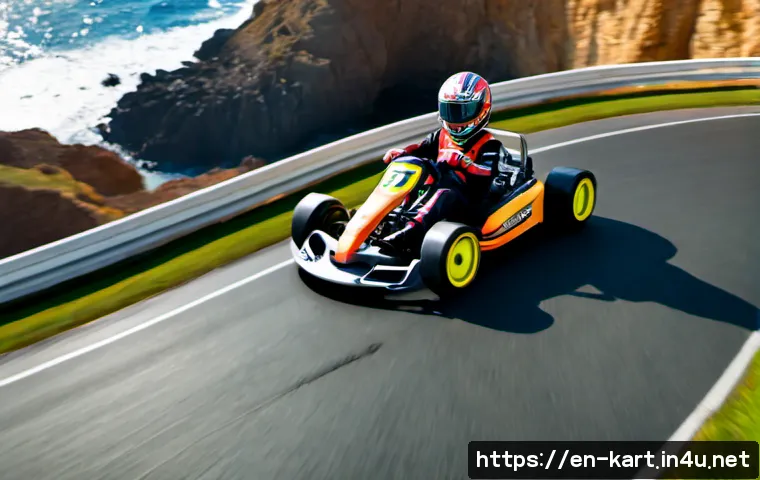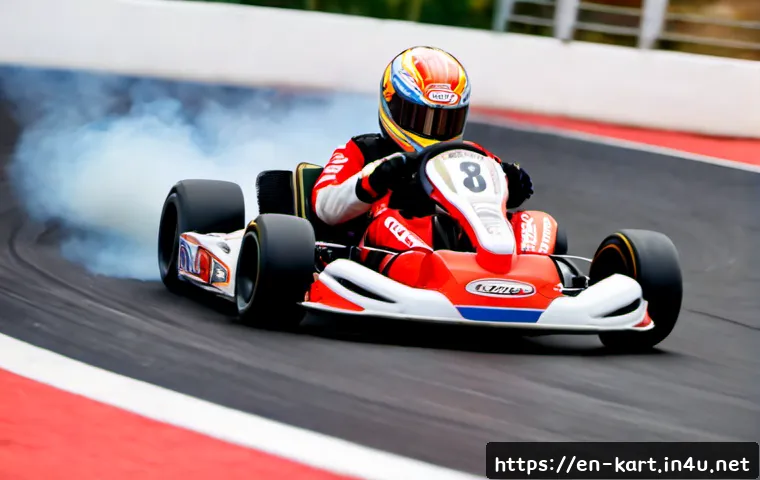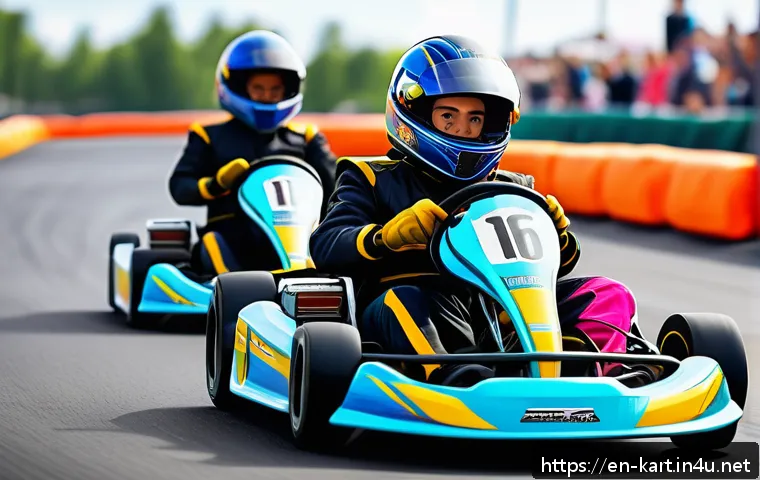
Hey there, racing fans! With KartRider gaining massive popularity again, especially among casual gamers and competitive players alike, mastering drift techniques has never been more crucial.
Whether you’re just starting out or looking to sharpen your skills, understanding how to drift effectively can transform your gameplay and put you ahead in every race.
In this post, I’ll share practical tips and insights that helped me go from a newbie to consistently dominating the track. Ready to leave your rivals in the dust?
Let’s dive into the art of drifting and unlock your full racing potential!
Understanding the Basics of KartRider Drifting
What Makes Drift So Essential in KartRider?
Drifting isn’t just a flashy move; it’s the backbone of winning races in KartRider. When you master drifting, you can maintain higher speeds through sharp corners without losing control.
This is huge because racing isn’t just about going fast in a straight line—it’s about how well you can navigate curves without slowing down. From my experience, learning to drift effectively helped me shave off precious seconds from my lap times and gave me the edge over players who just brake or take corners too cautiously.
The smoother your drift, the more momentum you keep, and that momentum often translates to crossing the finish line first.
Basic Drift Controls and Timing
At the heart of drifting lies perfect timing and understanding your kart’s controls. Most players struggle initially because they either start drifting too early or too late, which causes the kart to spin out or lose speed.
I found that hitting the drift button just as you approach a corner, and then steering gently, allows your kart to slide smoothly along the curve. Also, balancing between the acceleration and brake buttons during the drift is crucial.
Too much acceleration, and you risk losing control; too much braking, and you slow down unnecessarily. It’s a delicate balance, and practicing this timing repeatedly helped me get a feel for it naturally.
Common Mistakes to Avoid When Starting Out
Beginners often try to drift on every corner, but that’s not always the best strategy. I made this mistake myself and noticed how it wasted time on gentle turns where a simple tap of the brake or a slight steering adjustment would have been faster.
Another common pitfall is overcorrecting during a drift, which leads to spinning out or crashing into barriers. It’s important to stay relaxed and trust your kart’s momentum rather than fighting the drift.
Remember, drifting is a skill that improves with practice, so don’t get discouraged by initial failures.
Advanced Techniques to Elevate Your Drifting Game
Mastering the Power Slide for Maximum Speed
The power slide is a more aggressive form of drifting that lets you maintain top speed while carving through sharp turns. Unlike a regular drift, where you gently steer, the power slide involves pushing your kart to its limits by holding the drift button longer and steering more sharply.
I discovered that using this technique on hairpin turns can drastically reduce lap times, but it requires a lot of control and quick reflexes to avoid oversteering.
Incorporating power slides into your races will make you feel like a pro once you get the hang of it.
Using Drift Boosts to Outpace Opponents
One of the best feelings in KartRider is hitting a drift boost right when you exit a corner, blasting past your rivals with a burst of speed. Drift boosts are earned by holding a drift long enough to charge up a boost bar, and then releasing it at the perfect moment.
From my personal gameplay, I noticed that timing the release just before the kart straightens out maximizes the boost distance. This technique is a game-changer in tight races where every millisecond counts, especially in multiplayer modes where opponents constantly jostle for position.
Adjusting Your Drift Style for Different Tracks
Every track in KartRider has its own personality—some have tight, twisty corners, others wide sweeping bends. Adapting your drift style to the track layout is essential.
For example, on tracks with lots of short corners, quick and sharp drifts work better, while on tracks with long curves, smoother and longer drifts help maintain speed.
I often watch replays of top players to see how they adjust their drifting based on the course, which inspired me to experiment and find what suits my style best.
This adaptability separates casual racers from consistent winners.
Choosing the Right Kart and Setup for Drifting
How Kart Stats Influence Drift Performance
Not all karts are created equal when it comes to drifting. Some have better handling, while others provide more speed or acceleration. From my trials, I found that karts with balanced handling and moderate acceleration make learning to drift easier, especially for beginners.
More advanced players might prefer karts with higher speed stats to maximize their drift boosts but require better control skills. Understanding your kart’s strengths and weaknesses allows you to tailor your drifting approach accordingly.
Customizing Your Kart for Optimal Control
Beyond the default stats, customizing parts like tires and engines can enhance your kart’s drift capabilities. I experimented with different combinations and noticed that certain tires improved grip during drifts, reducing the risk of spinning out.
Engine upgrades can boost acceleration, which helps recover speed faster after a drift. Keep in mind that these customizations come with trade-offs, so testing different setups on practice tracks is key.
Personalizing your kart setup based on your drifting style can give you an unbeatable edge.
Balancing Speed and Stability in Your Setup
One of the trickiest parts of kart customization is finding the sweet spot between speed and stability. A kart that’s too fast but unstable will be difficult to control during drifts, leading to frequent crashes.
Conversely, a stable kart with low speed may keep you safe but slow you down overall. Through trial and error, I learned to prioritize stability slightly over raw speed until I perfected my drifting skills, then gradually shifted toward faster setups.
This gradual approach made the learning curve manageable and less frustrating.
Practice Routines to Build Consistent Drifting Skills
Structured Practice Sessions for Rapid Improvement
Drifting isn’t something you master overnight; it requires focused, repetitive practice. I set up daily practice sessions where I’d focus solely on drifting around specific corners or sections of a track.
Breaking down the race into manageable parts helped me concentrate on perfecting each drift individually instead of trying to tackle the entire course at once.
Using practice mode to slow down and analyze each drift also revealed subtle mistakes that I could fix immediately.
Using Ghost Mode and Replays to Analyze Your Technique
One of the most powerful tools I used was the ghost mode, where you can race against your own best time or a top player’s run. Watching these replays helped me see exactly where I was losing speed or control.
For example, I noticed I often released the drift too early on some corners, losing the chance to gain a boost. By comparing my runs with top racers, I picked up small but crucial adjustments that made a big difference.
This method turned practice into a highly effective learning experience.
Setting Realistic Goals to Track Progress
Improvement feels more rewarding when you set clear, achievable goals. Early on, I aimed to complete a lap without crashing or spinning out. After that, I focused on hitting specific drift boosts in every corner.
Tracking these milestones kept me motivated and gave a sense of accomplishment. Plus, it prevented burnout because I wasn’t trying to master everything at once.
Celebrating small wins along the way made practicing drifting enjoyable rather than a chore.
How to Handle Pressure and Stay Calm During Races
Managing Nervousness in Competitive Settings
Racing against real players can be nerve-wracking, especially when drifting perfectly can make or break your position. I remember my first few online races where I felt so tense that I’d mess up simple drifts.
What helped me was learning to breathe deeply and focus on the rhythm of the track rather than the scoreboard. Treating each drift like a familiar move rather than a high-pressure challenge lowered my anxiety and improved my performance significantly.
Staying Focused Despite In-Race Distractions
In multiplayer races, distractions like opponents bumping into you or unexpected obstacles are common. I learned to tune these out by concentrating on my kart’s position and the upcoming corner rather than reacting to every event.
This mental focus allowed me to maintain smoother drifts and avoid costly mistakes. Think of it like being “in the zone,” where your mind blocks out everything except the race.
It’s not easy at first, but with practice, it becomes second nature.
Using Mistakes as Learning Opportunities
No racer is perfect, and crashes or failed drifts are part of the learning curve. Instead of getting frustrated, I started analyzing what went wrong and how to fix it next time.
This shift in mindset transformed mistakes from setbacks into valuable lessons. For example, if I spun out, I’d replay that moment mentally to pinpoint whether I drifted too early or steered too sharply.
This reflective practice helped me bounce back faster and kept me motivated to keep improving.
Comparing Drift Styles: Aggressive vs. Conservative Approaches
Characteristics of Aggressive Drifting
Aggressive drifting involves sharp, long slides with high-risk maneuvers to maximize speed and overtaking opportunities. I tried this style when I felt confident, and it can be thrilling because it pushes your kart to the limit.
However, it’s also prone to mistakes if your timing or control is off. Aggressive drifters tend to dominate tracks with lots of tight corners but require nerves of steel and quick reflexes to pull off consistently.
When to Choose a Conservative Drifting Style
Conservative drifting is about maintaining control and minimizing errors, even if it means sacrificing some speed. For beginners or on tracks with wider turns, this style provides more stability and fewer crashes.
I often recommend this approach to new players because it builds confidence and allows you to focus on learning the fundamentals without feeling overwhelmed.
Over time, you can blend in more aggressive moves as your skill improves.
Finding Your Personal Drift Balance
The best racers don’t stick rigidly to one style; they adapt based on the race situation. I found that mixing aggressive drifts in key sections and playing it safe in others gave me a competitive edge.
For example, I’d use aggressive drifts to overtake but switch to conservative drifts when defending my position. Experimenting with this balance helped me develop a flexible racing style that feels natural and effective.
Quick Reference: Drift Tips and Kart Setup Comparison
| Aspect | Beginner-Friendly Setup | Advanced Setup | Drift Tip |
|---|---|---|---|
| Kart Handling | Balanced, easy to control | High handling, less forgiving | Start with gentle steering during drifts |
| Acceleration | Moderate | High for quick recovery | Adjust throttle to avoid spin-outs |
| Drift Style | Conservative, smooth slides | Aggressive power slides | Practice timing your drift release |
| Tires | Standard grip | High grip for tighter control | Customize based on track type |
| Boost Usage | Focus on consistent drift boosts | Maximize boost timing for speed bursts | Release boost as kart straightens |
Wrapping Up
Mastering drifting in KartRider truly transforms your racing experience, making every turn an opportunity to gain speed and outpace opponents. With patience and practice, the techniques shared here will help you build confidence and improve lap times. Remember, drifting is as much about control as it is about speed, so keep experimenting and enjoy the thrill of the race.
Helpful Tips to Remember
1. Always start practicing drifting on easier tracks before tackling more challenging ones. This builds a solid foundation.
2. Use ghost mode and replay features to analyze your runs and identify areas for improvement.
3. Customize your kart setup according to your drifting style and the specific demands of each track.
4. Stay calm during races; managing nerves improves focus and execution under pressure.
5. Set achievable goals for each practice session to keep your progress steady and motivation high.
Key Takeaways
Effective drifting combines precise timing, kart control, and adapting your style to track conditions. Avoid overdrifting on simple corners and balance speed with stability when customizing your kart. Use practice tools like ghost mode to refine your skills, and don’t let mistakes discourage you—they’re essential for growth. Lastly, finding a personal drift style that blends aggression with control can significantly elevate your racing performance.
Frequently Asked Questions (FAQ) 📖
Q: uestions about KartRider DriftingQ1: What is the best way to start learning drifting in KartRider?
A: The easiest way to begin is by practicing on simple tracks with wide turns. Focus on getting a feel for the timing between braking and turning your kart.
Start by tapping the drift button just before entering a corner and adjust your steering to control the slide. It took me a few sessions to get comfortable, but once I nailed the timing, my lap times improved significantly.
Don’t rush—consistency beats speed when you’re starting out.
Q: How can I maintain speed while drifting without losing control?
A: Maintaining speed during a drift is all about balance. You want to keep your drift angle moderate enough so you don’t spin out but sharp enough to cut the corner efficiently.
Using the boost wisely right after exiting the drift can help regain lost speed. From experience, I found that slightly easing off the drift button near the end of the turn helps stabilize the kart, letting you accelerate smoothly without veering off track.
Q: Are there specific karts or characters that make drifting easier in KartRider?
A: Yes, some karts have better drift stats and handling that make mastering drifts less frustrating. Lightweight karts often offer quicker drift initiation but can be harder to control at high speeds.
Heavier karts provide more stability but require more precise timing. Personally, I experimented with several options and found a mid-weight kart with balanced drift and speed attributes worked best for me, especially when I was focusing on improving my cornering skills.
Trying out different setups is key to finding what suits your playstyle.