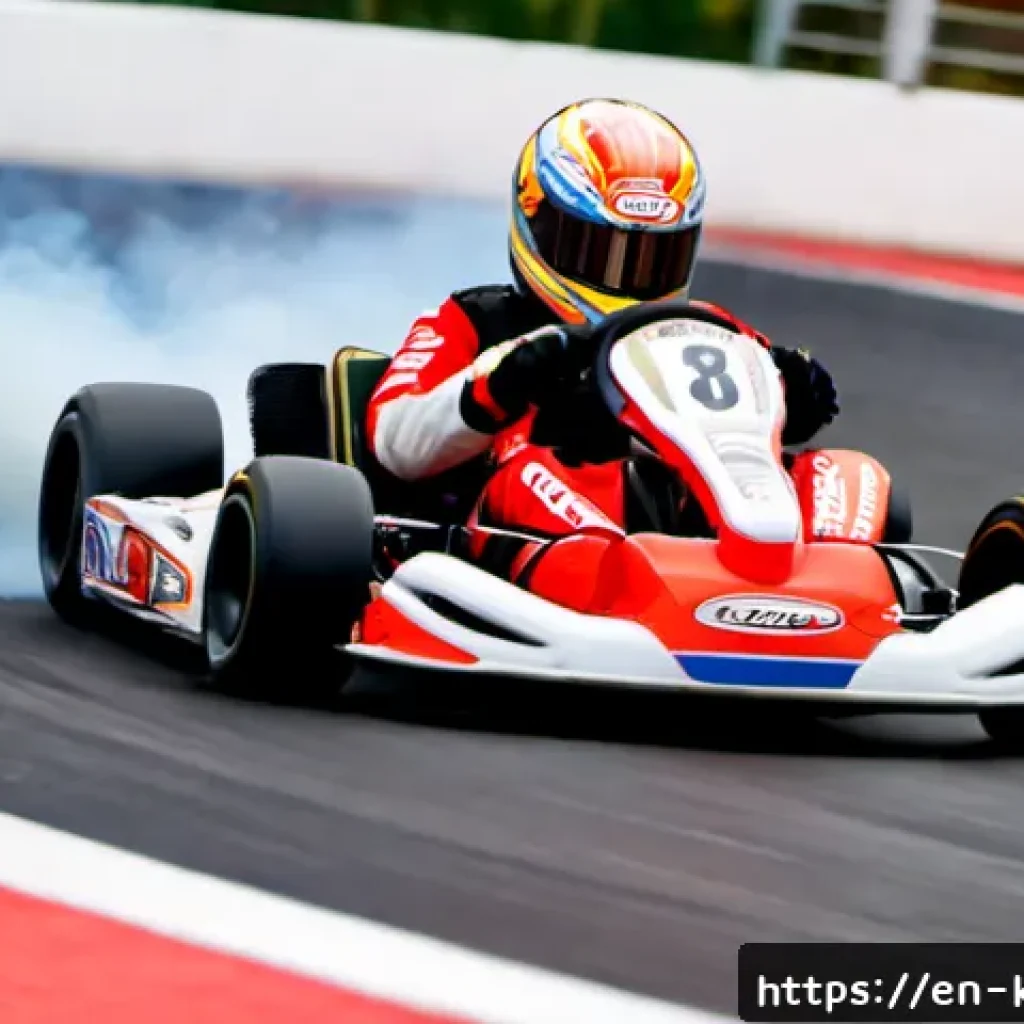
Fast, clean KartRider races come from reading the course early, taking a smooth line, and matching your drift and boost timing to the next exit. In item modes, smart positioning and item use matter just as much as raw cornering speed.
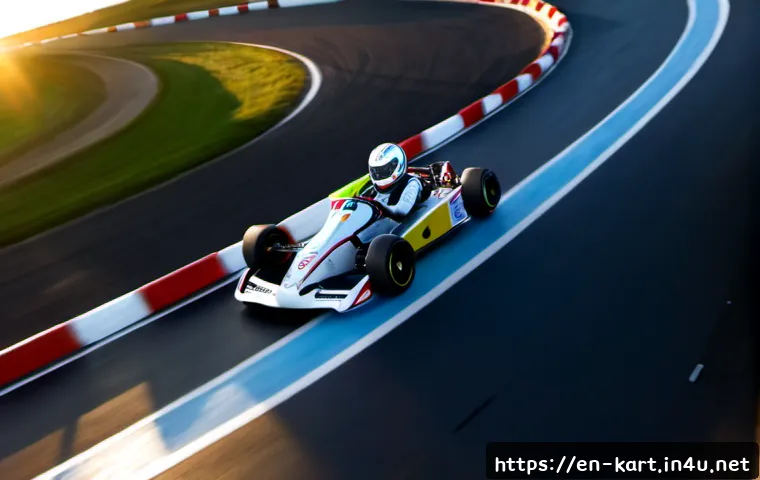
Rather than forcing the same technique through every turn, adjust to the track layout, your kart’s handling, and the current mode. Focus first on sections where small steering mistakes turn into lost momentum.
With repeatable practice, difficult tracks become easier to predict and manage.
Learn the Track Before Chasing Lap Time
Start by learning the course as a sequence of decisions, not as one long lap. Look for linked corners, narrow sections, walls, hazards, possible shortcuts, and straights where a boost can create a useful advantage. A turn that looks simple on its own may lead directly into a sharper corner, so its exit line matters more than its entry speed.
Notice where the track opens up and where it removes your options. Wide straights can be boost-friendly, while tight lanes may punish a late correction or an awkward drift. If a shortcut exists in your version of the game, treat it as a route that needs consistent setup rather than a gamble to attempt every lap.
Identify corner sequences, shortcuts, hazards, and boost-friendly straights
Group nearby turns into sections. For example, a left-right combination should be approached with the second corner in mind. Mark the places where wall contact is likely, where racers tend to bunch together, and where a clean exit can carry speed into a long straight. These landmarks make the track easier to remember under pressure.
Practice difficult sections in short, repeatable runs
Do not judge a practice run only by the finish position. Repeat the troublesome section and test one approach at a time: a wider setup, an earlier drift, or a calmer exit. Changing several inputs at once makes it hard to tell what helped. The exact practice options available can vary by KartRider version and platform, so use the most repeatable method your game provides.
Build a Cleaner Racing Line
A clean racing line reduces unnecessary steering and helps preserve momentum. In many corners, begin from the outside, move toward the inside apex with control, then let the kart return toward the outside on exit. The goal is not to make every corner as wide as possible; it is to create a stable route that leaves the kart pointed where the track goes next.
Set up wide, clip the apex carefully, and exit with momentum
Set up early when there is room. Clip the apex carefully instead of diving at it, especially if the turn leads into another corner or a wall-lined section. A slightly conservative entry can produce a cleaner exit, which is often more valuable than arriving at the apex first.
Avoid oversteering and wall contact after a drift
Oversteering adds corrections, and corrections can cost speed. After a drift, straighten the kart smoothly rather than continuing to pull toward the inside. Wall contact is especially costly when it happens at the exit of a corner, because it interrupts the momentum you were trying to carry onto the next section. If you regularly hit the same wall, adjust your entry angle before trying to drift harder.
Time Drifts and Boosts for Each Corner
Drifting and boost management are central arcade racing skills, but their best timing depends on the corner and the track ahead. A drift that is effective in an open bend may be risky in a tight sequence. Build your timing around the exit you need, not just the turn directly in front of you.
Choose early or late drift entries based on the corner exit
An earlier drift entry may give you more time to settle the kart before a long exit. A later entry can be useful when the corner requires you to hold a tighter path. Neither choice is automatically correct. Compare whether the kart is facing straight enough at the exit and whether you need an extra steering correction afterward.
Save boosts for long exits, climbs, and overtaking opportunities
Boosts tend to have more value where they can run without immediate braking or sharp steering. Long exits and open stretches are common candidates. A boost can also support an overtake when there is enough visible space to complete the move cleanly. Avoid spending one just before a section that forces you to slow down, unless the situation in your race makes that trade worthwhile.
| Track situation | Practical priority | Common mistake to avoid |
|---|---|---|
| Linked corners | Position the kart for the final corner’s exit | Taking the first apex too aggressively |
| Long straight after a turn | Finish the corner cleanly, then use speed resources | Boosting while still making large corrections |
| Narrow or wall-lined section | Choose a stable, predictable line | Forcing an oversized drift |
| Item-mode traffic | Keep an escape route and watch the road ahead | Using an item without considering the next section |
Adjust Your Plan for Speed and Item Modes
Speed and item modes reward some of the same fundamentals, but the decision-making is different. In speed-focused racing, consistent lines, drift control, and boost timing usually take priority. In item modes, your position, the items available, nearby racers, and the current rules can quickly change what the best move looks like.
Defend key lines without blocking your own escape route
When defending, protect the line that matters most for the next corner or straight. Do not move so far across the track that you leave yourself unable to turn, recover, or avoid an incoming obstacle. A defensive line should still allow a clean exit. If it turns into a wall hit or a missed corner, it has cost more than it saved.
Use items according to position, visibility, and upcoming track sections
Item decisions work best when they match the road ahead. Consider your position, what you can see, the space between racers, and whether the next section is open or cramped. An item used into clear traffic may have a different result from the same item used before a tight corner. Exact item effects and balance can vary by version, season, and update, so confirm how your current game handles each item.
Review Mistakes and Improve One Section at a Time
Improvement is easier when you give each mistake a clear label. After a poor run, ask whether the problem started with the entry angle, the drift length, the amount of steering during the drift, or the exit speed. This keeps practice focused and prevents you from blaming every loss on one input.
Compare failed runs by entry angle, drift length, and exit speed
Use the same section as your reference point. If one attempt reaches the exit cleanly and another touches a wall, compare where the drift began and how much correction followed. If both runs are clean but one feels slower, look at how straight the kart was when leaving the corner. Keep the adjustment small, then repeat it until the result is reliable.
Closing Thoughts
Track strategy becomes more dependable when you treat every lap as a series of connected corners. Learn the route first, then refine your line, drift timing, and boost use where they create the cleanest exits. In item modes, leave room for changing race conditions instead of following a fixed plan. The specific mechanics may differ between KartRider versions, so use these principles as a framework and adapt them to the game you play.
Useful Things to Remember
A smooth line is usually faster than constant steering correction. Practice difficult corner sequences separately in your mind or through repeatable runs. Save boosts for sections where you can use their speed with control. In item modes, check your position, visibility, and the next track section before committing to an item.
Key Takeaways
Prioritize the corner exit, not only the apex. Drift with the next section in mind, avoid wall contact after the drift, and use boosts where the track gives you room to benefit from them. Adapt every choice to the current mode, track layout, kart handling, and game version.
Frequently Asked Questions
Q1. How do I drift without losing too much speed in KartRider?
A1. Begin with a line that does not require a large correction after the drift. Enter at a timing that lets you straighten the kart for the exit, and avoid extending the drift beyond what the corner needs. If you lose speed or hit a wall, review the entry angle and drift length before changing everything else.
Q2. When should I use boosts on a KartRider track?
A2. Use boosts where you can carry their speed through a long exit or open section with limited braking and steering. They can also help during a clean overtaking opportunity. The best timing depends on the track, mode, and your game version’s mechanics, so test boost points on the routes you race most often.
Q3. How can I memorize difficult KartRider tracks faster?
A3. Break the track into short sections and identify the important landmarks: linked corners, hazards, narrow lanes, shortcuts, and long straights. Repeat the hardest section with one goal, such as improving the entry angle or avoiding a specific wall. Learning the connection between corners is more useful than memorizing each turn in isolation.