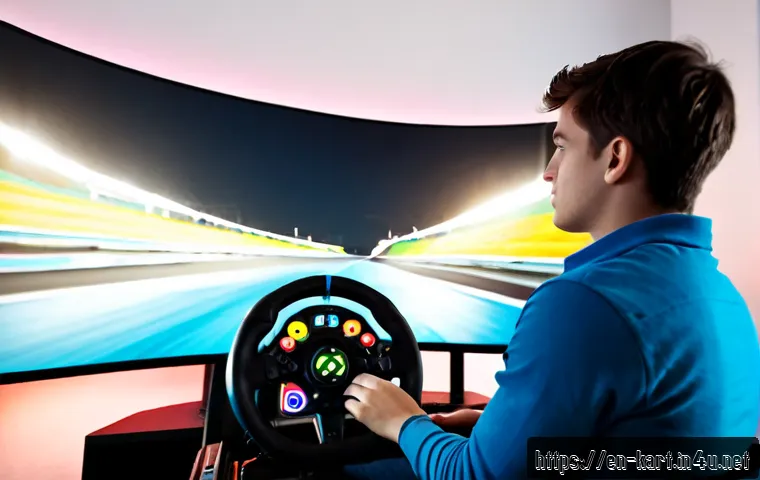
The quickest way to improve in KartRider: Drift is to exit drifts cleanly, use boosts where they carry through meaningful sections, and make your controls comfortable before buying gear.
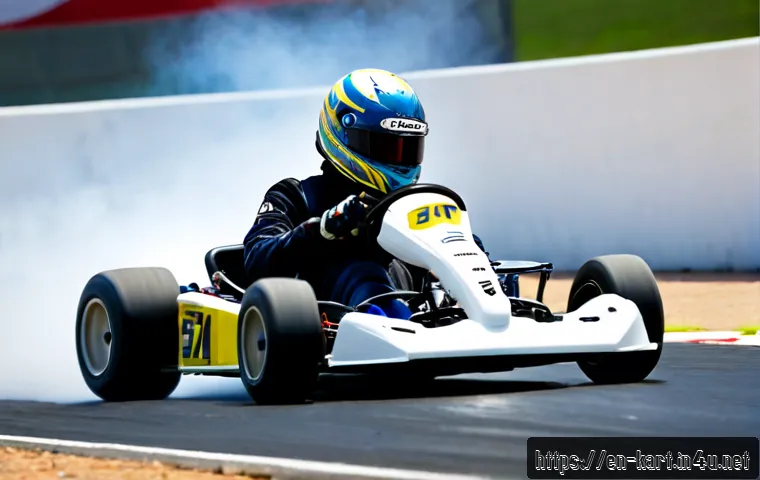
Fast-looking corner entries matter less than keeping a tight line and leaving the corner with speed. Keyboard, a controller, and racing peripherals can all work, but the best option is the one that lets you repeat steering and drift inputs without strain or hesitation.
Start with free practice and settings adjustments, then consider a controller or accessory only if your current setup is limiting comfort or consistency.
In speed-focused races, track knowledge and boost management deserve most of your attention. In item-focused races, positioning, awareness, and timing add another layer to every corner.
Optional in-game purchases should be evaluated separately from driving improvement, since current content and value can change over time.
Quick Overview
- Prioritize clean drift exits: a controlled exit usually matters more than a dramatic entry.
- Save boosts for valuable sections: use them where speed can carry through straights or connected corners.
- Adjust controls before buying accessories: comfort and repeatable inputs should come first.
| Setup Option | Cost Consideration | Learning Curve | Practical Benefit |
|---|---|---|---|
| Keyboard | Usually no extra purchase if you already play on a computer | Can feel direct, but repeated directional inputs may take practice | Good for players who prefer clear, immediate button presses |
| Standard Controller | Requires an accessory purchase if you do not own one | Needs time to find a comfortable button layout and sensitivity | May improve comfort for longer sessions and familiar console-style controls |
| Higher-End Racing Peripheral | Higher accessory cost and limited value if used only for one game | May require extra setup and adaptation | Choose for personal comfort, not as an assumed performance shortcut |
The Fastest Way to Improve Your Kart Racing Results
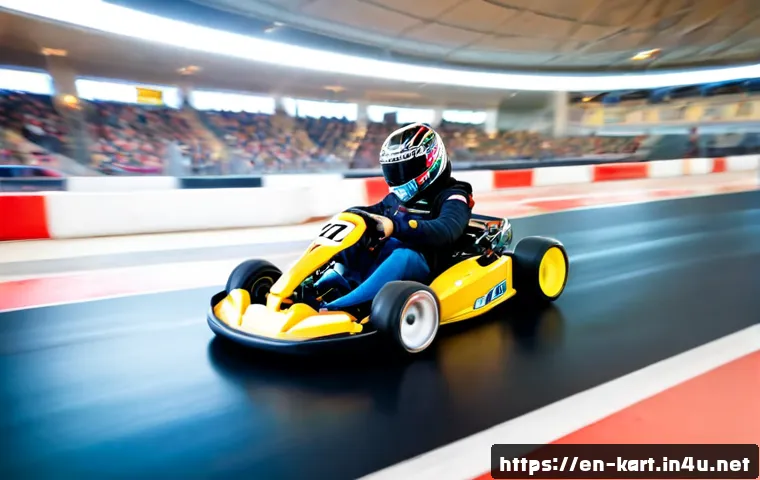
The most reliable improvement comes from repeatable corner exits. In an arcade-style kart racer, drifting is not just a way to turn; controlled cornering can create speed advantages. The goal is to leave a corner pointed toward the next useful section of track, not merely to slide as much as possible.
Focus on Drift Exits, Not Dramatic Corner Entries
A late, aggressive drift may look fast but can push the kart wide, create a wall collision, or leave poor alignment for the next turn. Begin with a line that gives you room to rotate, then aim to finish the drift facing down the next straight or toward the next corner. A clean exit protects speed and makes the next decision easier.
If a corner leads directly into another corner, do not judge the first turn by itself. A slightly calmer first exit can place the kart better for the second turn. This is often more useful than forcing maximum speed into every entry.
Build a Repeatable Boost Routine Before Chasing Advanced Techniques
Boost management is easier when it follows a simple routine: drift with control, recover the kart’s direction, and use available speed where it can be carried forward. Avoid treating every boost as an emergency button. A boost used while approaching a wall, a sharp correction, or an unavoidable slowdown may provide less value than one used after a clean exit.
Practice the same track section several times and notice where a boost helps you maintain momentum. Once that timing feels natural, add complexity gradually. Consistency is a better foundation than attempting advanced-looking moves before basic lines are stable.
Three Quick Changes to Test in Your Next Race
- Enter one difficult corner slightly more calmly and compare the exit speed.
- Hold one boost for a longer straight or a clean sequence of corners.
- Choose one wall or obstacle you commonly hit and focus only on avoiding it for a full race.
These small tests give clearer feedback than changing every part of your driving at once.
Drift, Boost, and Cornering Basics That Actually Save Time
Good kart racing lines are usually built around space, direction, and momentum. You need enough room to turn, a planned direction at the exit, and enough control to avoid throwing away speed through a collision or an overly wide path.
When to Begin a Drift
Start a drift early enough to rotate through the corner without panicked steering corrections. Starting too late can create a sharp slide toward the outside barrier. Starting too early can make the kart travel too far across the track. The useful timing is the one that lets you complete the turn while keeping the exit tidy.
Use solo practice to repeat the same corner. Watch where the kart finishes, not only where the drift begins. If you frequently exit toward a wall or need a large correction, adjust the starting point on the next attempt.
How to Avoid Losing Speed on Wide Lines
Wide lines often happen when players carry too much turning input, drift longer than necessary, or aim at the corner rather than through it. Look beyond the apex and identify the next piece of usable track. This encourages smoother steering and reduces sudden corrections.
Do not force a perfect-looking line at the cost of a collision. A safe, slightly imperfect route that keeps momentum is usually more repeatable than a risky line that works only occasionally.
Where Boosts Create the Biggest Advantage
Boosts are most valuable when they extend a clean section of movement. Long straights are an obvious option, but connected corners can also be valuable if your kart is already aligned. In contrast, boosting immediately before a tight turn or while recovering from a mistake can make control harder.
Think of boosts as a way to amplify good positioning. First create a clean exit; then decide whether the next section can convert that speed into a real advantage.
Keyboard vs. Controller: Which Setup Is Worth Using?
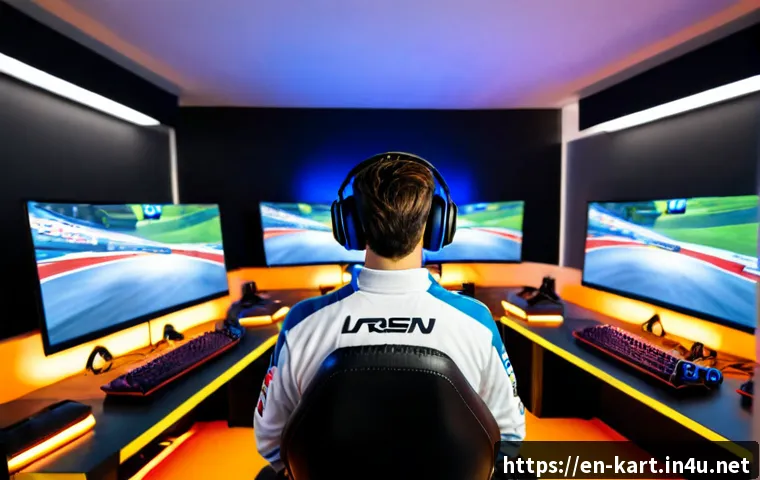
There is no universal best input device. A keyboard can offer familiar, definite directional presses, while a controller may feel more comfortable for players who prefer a handheld layout. The important question is whether the device supports consistent steering, comfortable drift inputs, and reliable boost timing.
Compare Cost, Comfort, Precision, and Learning Curve
A controller purchase makes sense when it solves a real comfort or control issue, not because it is assumed to guarantee better results. Consider how long you play, whether your hands feel strained, and whether your current inputs are inconsistent. A higher-end gaming accessory should be judged even more carefully because its cost may not match its practical benefit for one arcade racing game.
Settings to Adjust Before Purchasing New Hardware
Before comparing controller options, test your current setup. Review control sensitivity, button layout, and display performance. Small adjustments can make steering feel less rushed or make drift and boost inputs easier to repeat. Change one setting at a time, then run the same track section again.
Also check basic physical comfort: hand position, desk space, controller grip, and whether your display setup makes it easy to read the road ahead. These are practical factors that can affect consistency without requiring an expensive upgrade.
When a Controller Upgrade May Be Worthwhile
A standard controller may be worth considering if you regularly feel uncomfortable during longer sessions, struggle with your current layout, or already know that controller-style inputs suit you. Compare controller features based on compatibility, button placement, connection preference, and comfort rather than marketing claims alone.
When reviewing a gaming controller or racing accessory, check the product page for supported devices, return conditions, and current compatibility details before purchasing.
Common Race Mistakes and How to Prevent Them
Overdrifting and Hitting Walls

Overdrifting turns a useful cornering tool into lost momentum. It often comes from holding the drift too long or trying to recover a poor entry with more steering. Reduce the problem by planning the exit first. If you hit the same barrier repeatedly, simplify that corner until you can clear it consistently.
Using Boosts at Low-Value Moments
A boost is easy to waste when used out of habit. If a turn, obstacle, or heavy correction is coming immediately, waiting may be smarter. Use boosts after the kart is stable, especially where the gained speed can continue through a straight or a well-planned sequence.
Ignoring Item Timing and Defensive Positioning
Item-focused races require more than a clean racing line. Watch your position, stay aware of possible threats, and avoid using every item the moment it appears. An offensive item may be more useful when rivals are exposed, while a defensive option may matter most when you are protecting a strong position.
Because item balance and mode details can change, treat current official information as the final reference for available items and rules.
Tips by Race Mode and Player Goal
Speed-Focused Races: Lines, Boost Chains, and Consistency
For speed-focused racing, focus on the parts you can repeat: sensible corner entries, clean exits, and boost use that supports track flow. Learn the difficult corners first because one repeated collision can erase the value of several good sections. Track knowledge becomes more useful when it helps you decide where not to take risks.
Item-Focused Races: Awareness, Timing, and Recovery
In item races, a perfect line is still useful, but race positioning can change quickly. Stay flexible after interruptions. If you are hit or displaced, recover your direction before forcing a boost or an aggressive drift. Keep an eye on nearby racers and choose item timing based on the situation rather than a fixed pattern.
Solo Practice: A Short Routine for Learning Difficult Tracks
Use a focused routine instead of endlessly restarting races:
- Pick one troublesome corner or sequence.
- Run it several times with a safe line.
- Adjust only the drift start point or exit direction.
- Test boost timing after the line becomes consistent.
This approach separates driving problems from setup problems. It also helps you decide whether more practice is likely to help before spending on a new controller or optional content.
Choose Your Next Improvement Step: Practice, Settings, or Gear
Choose practice first if you are still hitting walls, drifting too wide, or using boosts without a plan. These are driving habits, and no accessory automatically fixes them.
Choose a settings adjustment if your inputs feel uncomfortable, overly sensitive, or hard to repeat. Test sensitivity, layout, and display comfort one change at a time.
Consider a controller purchase if your current device causes discomfort or clearly prevents consistent inputs after you have tested settings. Compare compatibility, ergonomics, and practical value rather than assuming a premium peripheral will improve results.
Evaluate optional in-game spending separately from performance improvement. Check whether the content is cosmetic, convenience-focused, or otherwise useful to your own goals. Availability, modes, rewards, and monetization can vary by region and change over time.
Selection Criteria and Comparison Summary
Before making your next choice, check these points: Can you finish corners cleanly? Are boosts being used on useful track sections? Does your current control setup feel comfortable after several races? Is a controller compatible with the platform you use? Does an optional in-game purchase provide value you personally want beyond driving performance? For current product specifications, official game information, and purchase conditions, review the relevant official or retailer page before deciding.
Final Thoughts
Better results usually begin with calmer driving, not more complicated inputs. Build clean drift exits, learn where boosts carry value, and give yourself time to repeat the same lines. Hardware can improve comfort, but it should support good habits rather than replace them. Keep optional purchases separate from your practice plan and verify current game details before spending.
Useful Things to Know
1. Racing modes can reward different priorities, so adjust your approach between speed-focused and item-focused races.
2. Display performance and control layout can affect comfort and consistency.
3. One controlled corner sequence is more useful for learning than several random attempts.
4. Current content, service availability, and monetization may differ by region or change over time.
Important Notes
This guide covers general arcade kart racing fundamentals based on drifting, boosts, track knowledge, and race positioning. It does not confirm current KartRider: Drift platform support, regional availability, game balance, items, rewards, or the value of specific paid bundles. Check current official announcements and in-game details for information that may have changed.
Frequently Asked Questions
Q1. Are controller players better than keyboard players in kart racing games?
A1. Not automatically. Keyboard and controller players can both improve through clean lines, reliable drift timing, and boost management. Choose the setup that feels comfortable and allows you to repeat inputs consistently.
Q2. What is the best way to practice drifting without wasting time?
A2. Pick one difficult corner, use a safe line first, and repeat it while changing only one detail at a time. Focus on where the kart exits the corner, then add boost timing after the exit becomes consistent.
Q3. Should I buy a controller or in-game items first if I am new to KartRider: Drift?
A3. Start with free improvements: practice, control settings, and track familiarity. Consider a controller if your current setup is uncomfortable or unreliable. Treat optional in-game items separately, and check current details to decide whether they offer personal value.