Hey racing fans! With the rise of competitive kart racing and team-based tournaments gaining massive popularity, mastering team play in KartRider has never been more crucial.
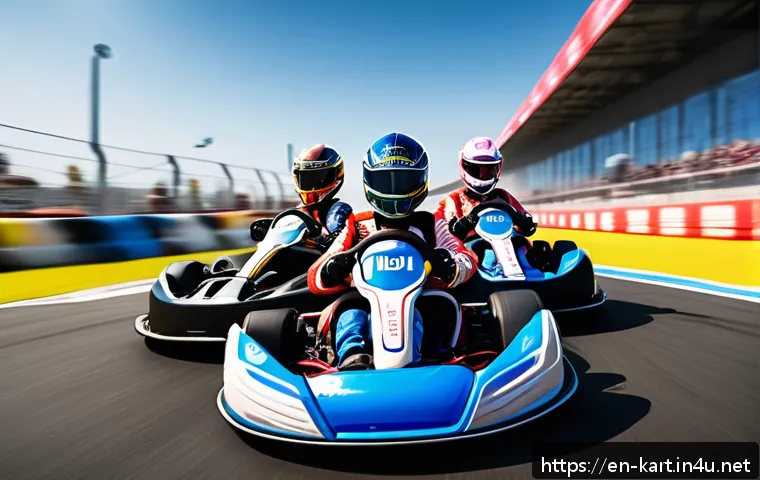
Whether you’re aiming to climb the ranks or just want to leave your rivals in the dust, understanding winning strategies can make all the difference. In this post, I’ll share proven tips and tactics that have helped me and many others dominate every race.
Get ready to level up your teamwork and leave your competition behind!
Mastering Communication for Seamless Team Coordination
Establishing Clear Roles Before the Race
Before even hitting the start button, a quick team huddle to assign roles can make or break your race. Whether someone’s taking charge as the lead driver setting the pace or another focuses on blocking opponents, defining these responsibilities upfront helps avoid confusion mid-race.
From my experience, teams that decide who’s the front-runner, the blocker, and the strategist beforehand tend to maneuver much more fluidly. It’s like having a well-rehearsed playbook where everyone knows their part, reducing the chance of chaotic overlaps or missed opportunities during critical moments.
Real-Time Communication: Voice Chat vs. Quick Signals
Staying in constant touch during the race is vital. While voice chat offers the most dynamic interaction, it’s not always practical depending on your setup or the platform.
Quick pre-agreed signals like horn honks or specific item uses can act as effective substitutes. I’ve seen teams improve drastically just by developing a few simple in-race cues that everyone recognizes instantly.
For example, using a speed boost item right after a teammate signals a trap ahead can save precious seconds. The key is consistency—everyone must understand and trust the signals to react instantly without second-guessing.
Adjusting Strategy On the Fly
KartRider races are unpredictable, and sticking rigidly to a pre-planned approach can backfire. The best teams I’ve played with keep an eye on how the race unfolds and adapt quickly—whether that means switching from aggressive blocking to defensive positioning or changing item usage tactics based on opponents’ moves.
This flexibility comes from strong communication and a shared understanding of the team’s overall goal. Practicing these mid-race calls can feel chaotic at first, but once you get the hang of it, it becomes second nature and often turns the tide in tight matches.
Optimizing Kart and Item Selection for Team Dynamics
Balancing Speed and Control Among Team Members
Choosing the right kart setup isn’t just about individual speed; it’s about complementing your teammates’ strengths and weaknesses. For instance, if one player excels at sharp cornering, they might pick a kart with higher handling, while another who thrives on straight-line speed goes for a faster but less nimble vehicle.
This balance helps maintain consistent lap times and reduces the chances of team members getting spread out. From my experience, the teams that spend time testing kart combinations before tournaments tend to have better overall lap synchronization and fewer crashes caused by mismatched pacing.
Strategic Item Allocation and Usage
Item usage can swing a race dramatically, but it’s crucial to avoid wasting them or overlapping effects with teammates. Some teams adopt a strategy where certain players hold defensive items like shields or bananas, while others focus on offensive tools such as rockets or oil slicks.
I noticed that when teams assign item roles and communicate who uses what and when, it prevents redundant item deployment and maximizes impact. It’s like choreographing a dance where each player’s move enhances the overall performance rather than clashing.
Adjusting for Different Track Types
Tracks with tight corners demand different kart setups and item strategies compared to fast, straight courses. For example, on twisty circuits, karts with better acceleration and handling shine, while on speed-heavy tracks, raw top speed takes priority.
Your team should adapt kart and item choices depending on the map, which requires some pre-race scouting or practice runs. I’ve found that teams who take a little extra time to prepare for each track usually enjoy smoother races and fewer surprises during competitive play.
Mastering Defensive and Offensive Tactics Together
Coordinated Blocking to Protect Your Lead
Blocking opponents is an art form in team races. Instead of just trying to pass individually, effective teams create a protective barrier around their lead driver.
This means teammates position themselves to slow down challengers using precise timing and smart item placement. In practice, I’ve seen how a well-executed block can frustrate rivals, causing them to make mistakes or lose momentum.
It’s all about anticipating opponents’ moves and communicating your positioning to maintain a strong defensive line without sacrificing your own speed.
Timing Offensive Strikes for Maximum Impact
Offensive moves like launching rockets or dropping traps should be timed to disrupt enemy formations and clear paths for your teammates. Randomly using offensive items rarely works well; instead, synchronized attacks amplify their effectiveness.
For instance, when one teammate slows an opponent with a trap, another can follow up with a missile to push them off-course. Practicing these combos with your team builds trust and sharpens your collective timing, which can feel incredibly satisfying when executed flawlessly.
Using Terrain and Environmental Features as Tactical Advantages
Every track has unique features—ramps, narrow lanes, or tricky corners—that can be exploited defensively or offensively. Positioning your kart to force opponents into difficult terrain or using items right before sharp turns can cause rivals to lose control.
I recall a match where our team used a combination of well-placed traps and blocking near a hairpin turn to completely disrupt a rival’s momentum. Understanding and practicing these terrain-based tactics with your team can turn familiar maps into your personal playground.
Effective Practice Routines to Build Team Synergy
Simulating Race Conditions in Practice Sessions
Just racing casually isn’t enough when aiming for top-tier teamwork. To really gel, your team should simulate tournament conditions during practice—full item usage, competitive pacing, and realistic pressure situations.
From personal experience, these simulations expose weaknesses in communication and timing that casual runs don’t reveal. Scheduling regular practice sessions focused on specific tactics, like coordinated blocking or item combos, helps build muscle memory and trust among teammates, making real matches feel much more manageable.
Analyzing Race Footage for Continuous Improvement
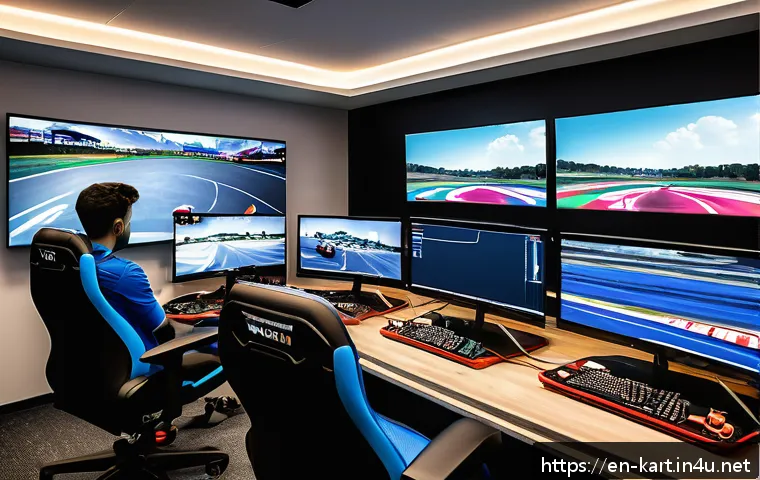
Recording your races and reviewing them as a team can uncover subtle mistakes or missed opportunities that are easy to overlook in the heat of competition.
I’ve found that this habit leads to honest feedback sessions where everyone can discuss what worked, what didn’t, and how to improve. Sometimes it’s as simple as adjusting your starting positions or timing item usage differently.
This kind of reflective practice is invaluable because it fosters a growth mindset and keeps your strategies fresh and evolving.
Encouraging Positive Team Dynamics and Morale
Kart racing can get intense, and frustration or blame can quickly erode team spirit. Prioritizing positive communication, celebrating small wins, and supporting each other’s improvements create an atmosphere where everyone feels motivated to perform their best.
In my experience, teams that maintain a friendly and constructive vibe tend to stay cohesive even under pressure, which often translates into better race results.
Remember, winning as a team isn’t just about skills—it’s about trust and encouragement.
Tracking Progress and Setting Realistic Goals
Using Performance Metrics to Guide Practice
Keeping track of lap times, item usage efficiency, and position changes during races provides concrete data to target specific areas for improvement. I personally use simple spreadsheets or apps to log these stats after every session, which helps pinpoint whether your team struggles with starts, cornering, or item timing.
Setting measurable goals based on this data turns vague ambitions into actionable plans, making your practice sessions more focused and productive.
Celebrating Milestones to Maintain Motivation
Acknowledging progress, no matter how small, fuels motivation and keeps the team engaged. Whether it’s shaving off a second from your best lap or successfully executing a new item combo, taking time to celebrate these achievements reinforces positive behaviors.
From my experience, teams that recognize their growth regularly tend to maintain higher morale and stay committed to continuous improvement, even through tough losing streaks.
Planning for Long-Term Team Development
Beyond immediate race wins, thinking about your team’s growth over weeks or months helps build sustainable success. This includes rotating roles to develop versatile skills, exploring new kart setups, and keeping up with meta changes in KartRider.
I’ve noticed that teams who invest in long-term planning adapt better to shifts in game mechanics and competition styles, ultimately staying competitive well beyond initial success.
Key Elements of High-Performing KartRider Teams at a Glance
| Aspect | Importance | Tips | Common Pitfalls |
|---|---|---|---|
| Communication | Essential | Use voice chat or simple signals; define roles early | Confusion due to unclear signals; poor timing |
| Kart & Item Choice | High | Balance speed and control; assign item roles | Overlapping items; mismatched kart setups |
| Strategy Flexibility | Crucial | Adapt mid-race; watch opponents’ moves | Rigid plans; failure to adjust |
| Practice & Analysis | Very Important | Simulate race conditions; review footage | Lack of focused practice; ignoring mistakes |
| Team Morale | Often Overlooked | Positive feedback; celebrate progress | Blame culture; low motivation |
In Conclusion
Mastering communication and teamwork in KartRider is the foundation of seamless coordination and race success. Clear roles, adaptive strategies, and consistent practice transform a group of players into a well-oiled machine. By focusing on both individual strengths and collective goals, teams can navigate races with confidence and precision. Remember, it’s not just about speed—it’s about synergy and smart collaboration.
Helpful Information to Keep in Mind
1. Establish clear communication channels early to avoid confusion during races.
2. Balance kart and item choices based on team members’ unique skills and track demands.
3. Stay flexible and ready to adjust tactics mid-race for unpredictable situations.
4. Practice under realistic conditions and review race footage to identify improvement areas.
5. Foster a positive team atmosphere to maintain motivation and resilience under pressure.
Summary of Key Takeaways
Effective teamwork in KartRider hinges on well-defined roles, strong communication, and adaptable strategies. Prioritizing synchronized kart and item selection aligned with track characteristics enhances performance. Regular, focused practice combined with honest analysis sharpens skills and builds trust among teammates. Equally important is maintaining a supportive environment that encourages growth and sustains morale, ensuring long-term success beyond individual races.
Frequently Asked Questions (FAQ) 📖
Q: uestionsQ1: How can I improve team communication during KartRider races?
A: Effective communication is key in team-based KartRider matches. Using voice chat or quick chat commands to share your position, upcoming obstacles, or when you’re about to use an item can help coordinate attacks and defenses seamlessly.
From my experience, even a simple “boost now” or “block incoming” callout makes a huge difference in timing and synergy. Don’t hesitate to practice with your teammates outside of competitive matches to build trust and a rhythm.
Q: What are the best strategies for balancing individual speed and team objectives?
A: It’s tempting to focus solely on finishing first, but in team play, supporting your teammates often leads to better overall results. For example, if you’re in the lead, consider creating space to block rivals or picking up items that can protect your team rather than just boost yourself.
I’ve found that adapting your role based on the race situation—sometimes acting as a blocker, other times as a striker—helps maintain team momentum and maximizes the chance of collective victory.
Q: Which items should I prioritize using to help my team win?
A: Prioritizing items depends on your position and your team’s needs. Defensive items like shields or bananas are great for protecting teammates in front, while offensive items such as missiles or bombs can disrupt opponents chasing your team.
Personally, I focus on timing my item use to either save a teammate from a hit or to strategically target the strongest rival. Remember, smart item usage often outweighs raw speed in tight team matches.