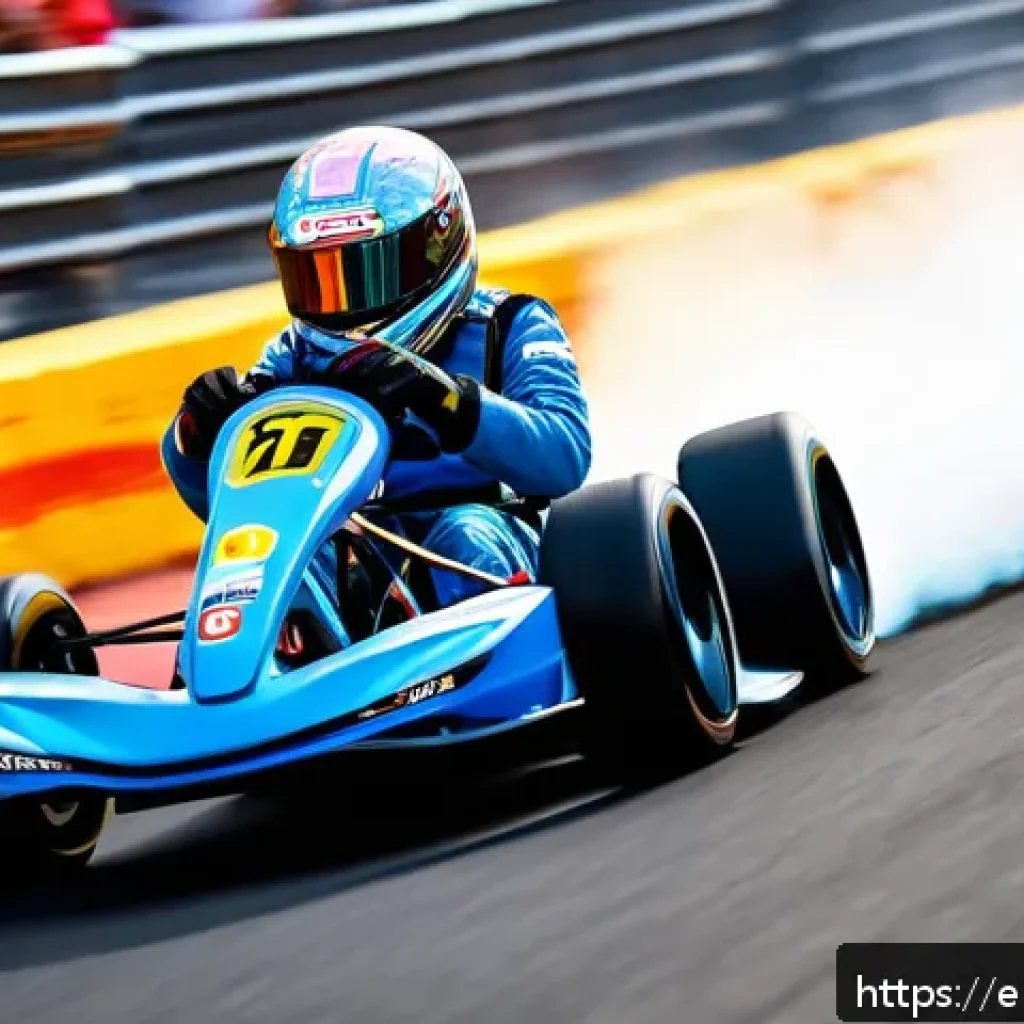
With the surge of competitive online racing games this year, KartRider has captured the hearts of both casual players and esports enthusiasts alike. Whether you’re just hopping into the driver’s seat or aiming to sharpen your skills, mastering the tracks is key to leaving your opponents in the dust.
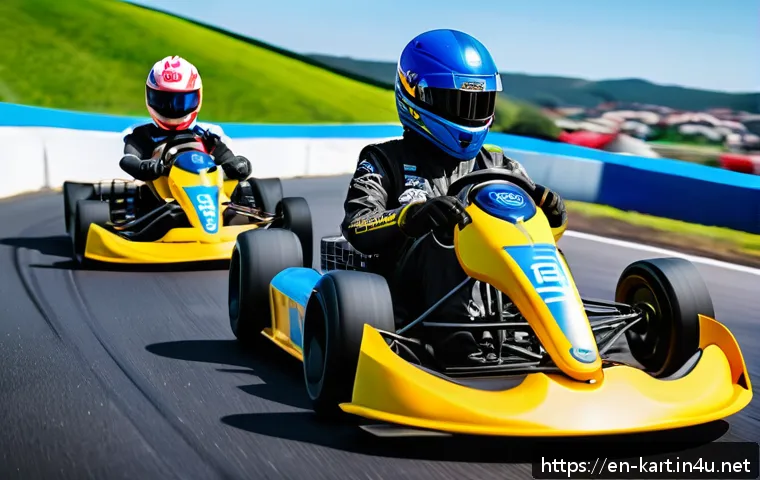
I’ve spent countless hours racing through every twist and turn, discovering the tips and tricks that truly make a difference. In this guide, I’ll share practical strategies that helped me climb the leaderboards and enjoy every race to the fullest.
Ready to transform your gameplay and start winning consistently? Let’s dive into everything you need to know to become a KartRider pro.
Understanding Drift Techniques to Maximize Speed
Mastering the Basics of Drifting
Drifting in KartRider isn’t just about looking cool; it’s the cornerstone of maintaining your speed through sharp corners. When you first start, it might feel tricky to balance your kart’s momentum and control, but once you get the hang of it, drifting becomes second nature.
The key is to initiate the drift just before the turn, allowing you to slide around the corner without losing too much speed. I found that practicing on less complex tracks helped me build the muscle memory needed to execute clean drifts under pressure.
Remember, over-drifting can slow you down, so fine-tuning your timing is essential.
Advanced Drift Boosting Strategies
Once you’re comfortable with basic drifting, it’s time to tap into drift boosting. This technique involves holding the drift long enough to charge a speed boost, giving you a crucial edge over competitors.
I personally noticed a significant difference in race outcomes after mastering this — those fractions of a second gained from boost often determine whether you finish first or not.
To maximize boost, focus on maintaining a smooth, controlled drift rather than abrupt maneuvers. Also, different karts and characters respond uniquely to drift boosts, so experimenting with various setups can help you find your ideal combination.
When to Drift and When to Straighten Out
Drifting isn’t always the best option; sometimes, a well-timed straight line can shave off more time. On long, sweeping corners, holding a controlled drift might slow you down compared to a gentle turn with minimal sliding.
I learned to read the track layout carefully before deciding whether to drift or straighten out. This flexibility in approach not only improved my lap times but also made my racing style less predictable to opponents.
Keep in mind that sudden changes in drift can cause loss of control, so smooth transitions are your best friend.
Optimizing Kart and Character Selection for Different Tracks
Matching Kart Attributes to Track Demands
Each KartRider track has unique features, from tight hairpins to long straightaways, and the kart you choose should complement these characteristics. For example, karts with high acceleration are excellent for tracks with frequent stops and tight turns, whereas those with higher top speed excel on tracks with long stretches.
I spent hours testing different karts on my favorite tracks and realized that a kart’s handling often outweighs raw speed in technical sections. Knowing your track’s layout beforehand allows you to pick the kart that maximizes your strengths and minimizes weaknesses.
Character Abilities and Their Impact on Racing
Characters in KartRider come with special skills or passive boosts that can subtly influence your performance. Some characters improve drift control, while others boost acceleration or top speed.
In my experience, pairing a kart’s stats with a character’s abilities can create powerful synergies. For instance, if you’re racing on a track heavy with sharp corners, choosing a character that enhances drift stability can be a game-changer.
Don’t overlook how these combinations affect your overall racing style; sometimes switching characters for a specific track can lead to consistent wins.
Testing and Adjusting Your Setup
Finding the perfect kart and character combo isn’t a one-time deal. I frequently tweak my setup based on recent patches, track changes, or even my evolving playstyle.
Running time trials and analyzing your lap data helps identify where your current setup excels or falls short. Sometimes, a slight adjustment to your kart’s tuning or character choice can improve your consistency.
It’s all about staying adaptable and willing to experiment rather than sticking rigidly to a favorite combo.
Mastering Item Management for Tactical Advantage
Knowing When to Use Offensive Items
Items can turn the tide of a race, but using them at the wrong moment can backfire. In my early days, I’d often waste offensive items like missiles or bombs without thinking, only to see opponents slip past me.
I learned that patience and timing are critical. For instance, launching a missile when your opponent is about to hit a boost pad or drift boost can disrupt their momentum significantly.
Watching your rivals’ positioning and predicting their next move helps you decide the perfect moment to strike.
Defensive Item Usage and Protection
Holding onto defensive items like shields or bananas until the last second can save you from devastating attacks. I can’t count how many times a well-timed shield blocked a missile that would have cost me the race lead.
It’s tempting to use items immediately, but the real skill lies in anticipating threats. Playing defensively doesn’t mean being passive; it’s about preserving your lead by negating opponents’ aggressive plays.
Balancing offense and defense based on your current position in the race is crucial.
Item Prediction and Counterplay
Experienced players often try to predict what items you might have and adjust their strategy accordingly. I noticed that reading opponents’ item usage patterns allowed me to counter effectively.
For example, if you see someone constantly firing missiles, you might hold a shield longer or take a riskier path to avoid attacks. Developing this kind of situational awareness takes time, but it’s one of the most rewarding skills to acquire for climbing the competitive ladder.
Track-Specific Techniques for Consistent Lap Times
Handling Tight Corners and Hairpins
Tracks with tight corners demand precision over speed. I found that braking slightly before entering a hairpin and then initiating a smooth drift ensures you don’t lose control or slow down excessively.
Over time, I developed a feel for the exact point where I should start my drift to maintain momentum. Practicing these corners repeatedly on time trials helped me reduce lap times significantly.
It’s a delicate balance between aggression and control.
Maximizing Speed on Long Straightaways
Long straight sections offer the perfect opportunity to unleash your kart’s full speed potential. I always make sure to exit the preceding corner with a drift boost to carry extra speed onto the straightaway.
Additionally, using items like turbo boosts or nitro at the right moment can create a gap that’s hard for opponents to close. Staying centered on the track and avoiding unnecessary steering adjustments helps maintain the highest velocity possible.
Utilizing Shortcuts and Alternate Paths
Many tracks feature shortcuts or alternate routes that can shave seconds off your lap time if executed correctly. Discovering these shortcuts during free runs and practicing them gave me a significant advantage during races.
However, shortcuts often come with risks like tighter turns or hazards, so it’s important to weigh the potential time gain against the chance of mistakes.
Incorporating shortcuts into your racing strategy adds an extra layer of depth and excitement.
Effective Practice Routines to Elevate Your Racing
Breaking Down Practice Sessions
Instead of mindlessly racing over and over, I recommend breaking practice into focused segments. For example, spend 20 minutes perfecting drifting techniques, another 20 on item usage, and the rest on full race simulations.
This approach helped me improve faster because I could isolate weaknesses and address them directly. Also, recording your races and reviewing them later reveals subtle mistakes that are easy to miss in the heat of competition.
Using Time Trials to Track Progress
Time trials are invaluable for measuring improvements objectively. I set personal goals for lap times and adjusted my strategies based on whether I was hitting them consistently.
Repeating the same track multiple times with small variations in approach helped me discover the most efficient racing lines and techniques. Seeing tangible progress in your lap times is incredibly motivating and keeps you focused during practice.
Incorporating Competitive Play into Practice
While solo practice is important, nothing beats the unpredictability of real races against other players. I made a habit of entering ranked matches regularly to test what I learned under pressure.
This helped me adapt to different playstyles and sharpen my decision-making on the fly. Competitive play also exposes you to new tactics and strategies that you might not encounter alone, accelerating your growth as a player.
Key KartRider Track Features and Their Impact on Racing Style
| Track Feature | Effect on Racing | Recommended Strategy |
|---|---|---|
| Tight Hairpin Turns | Require precise drifting and braking to maintain speed | Use controlled drift with early brake; avoid over-drifting |
| Long Straightaways | Opportunity to maximize top speed and use boosts | Exit corners with drift boosts; use turbo/nitro strategically |
| Shortcuts | Can save time but often riskier with narrow paths | Practice extensively; evaluate risk vs reward before use |
| Item Zones | Areas where items frequently spawn or are highly contested | Plan item usage; prioritize defensive items when leading |
| Elevation Changes | Can affect kart stability and speed | Adjust steering input carefully; use boost after climbs |
Psychological Edge: Staying Calm and Focused During Races
Managing Pressure in Competitive Matches
Racing in front of a live audience or climbing the ranked ladder can be nerve-wracking. I used to get tense and make silly mistakes under pressure, but learning to breathe and stay calm changed everything.
Treat each race as a learning opportunity rather than a do-or-die moment. Visualization techniques—like imagining smooth drifts and perfect item usage—helped me stay composed.
The calmer you are, the better your reflexes and decision-making will be.
Building Confidence Through Consistency
Confidence comes from knowing your skills are reliable. I focused on consistency rather than flashy plays; hitting solid lap times and avoiding unnecessary risks gave me the mental edge.
When you trust your abilities, it’s easier to take calculated risks that can pay off big. Avoid comparing yourself constantly to others and instead track your personal progress, celebrating small wins along the way.
Learning from Losses Without Getting Discouraged
Losing is inevitable in any competitive game, but how you react makes all the difference. Instead of getting frustrated, I started analyzing what went wrong and what I could improve.
Sometimes it’s a minor timing error; other times it’s a strategic misstep. Embracing this mindset helped me bounce back stronger after tough races. Remember, every loss is just another step toward becoming a KartRider pro.
Conclusion
Mastering drifting techniques, optimizing kart and character choices, and effectively managing items are key to elevating your KartRider gameplay. Consistent practice tailored to track features and maintaining a calm mindset during races will help you improve lap times and race outcomes. Remember, adaptability and patience are just as important as raw skill in climbing the ranks. Keep experimenting and learning from every race to stay ahead of the competition.
Helpful Tips to Keep in Mind
1. Always start practicing drifting on simpler tracks to build confidence before tackling complex corners.
2. Experiment with different kart and character combinations to find what best suits each track’s demands.
3. Use offensive items strategically, timing their use to disrupt opponents at critical moments.
4. Incorporate both solo time trials and competitive races into your practice routine for balanced improvement.
5. Stay calm under pressure by focusing on consistency and learning from mistakes rather than fixating on wins.
Key Takeaways
Understanding when and how to drift efficiently can drastically improve your speed and control on the track. Pairing your kart’s attributes with the right character enhances overall performance tailored to specific tracks. Effective item management, including both offensive and defensive tactics, plays a vital role in gaining a tactical advantage. Regular, focused practice combined with competitive experience sharpens your skills and race strategy. Lastly, maintaining a composed mindset during races ensures better decision-making and steadier progress in your KartRider journey.
Frequently Asked Questions (FAQ) 📖
Q: What are the best ways to improve my drifting technique in KartRider?
A: Mastering drifting in KartRider really comes down to timing and control. From my experience, it helps to start your drift just before entering a turn, rather than during or after.
This gives you better momentum and allows for sharper cornering. Also, practice adjusting your drift angle depending on the track—tight corners need a tighter drift, while wider turns require a more gradual slide.
Don’t forget to use the drift boost by releasing the drift button at the right moment; it’s a game-changer for gaining speed quickly. The key is consistent practice; once you get a feel for your kart’s handling, drifting becomes second nature.
Q: How can I choose the right kart and character for competitive play?
A: Choosing the right combination depends on your playstyle and the track type. I’ve found that lighter karts excel on twisty, technical tracks because they handle better and accelerate quickly, while heavier karts offer more stability and higher top speeds on straighter courses.
Characters sometimes provide subtle stat bonuses, so experiment with a few to see which feels most comfortable—some players prefer characters that boost acceleration, others go for handling.
Ultimately, the best setup is the one that complements how you drive and lets you stay consistent across different race conditions.
Q: What strategies can help me climb the leaderboards faster in KartRider?
A: Consistency beats occasional wins when climbing leaderboards. Focus on clean racing—avoid crashes and maintain good lap times by mastering each track’s shortcuts and boost pads.
I noticed that studying replays of top players helped me understand where to optimize my racing lines and when to use items strategically. Also, don’t underestimate the power of customizing your kart with performance parts that enhance speed or handling.
Lastly, join a community or team; sharing tips and racing regularly with others pushes your skills and keeps you motivated to improve.