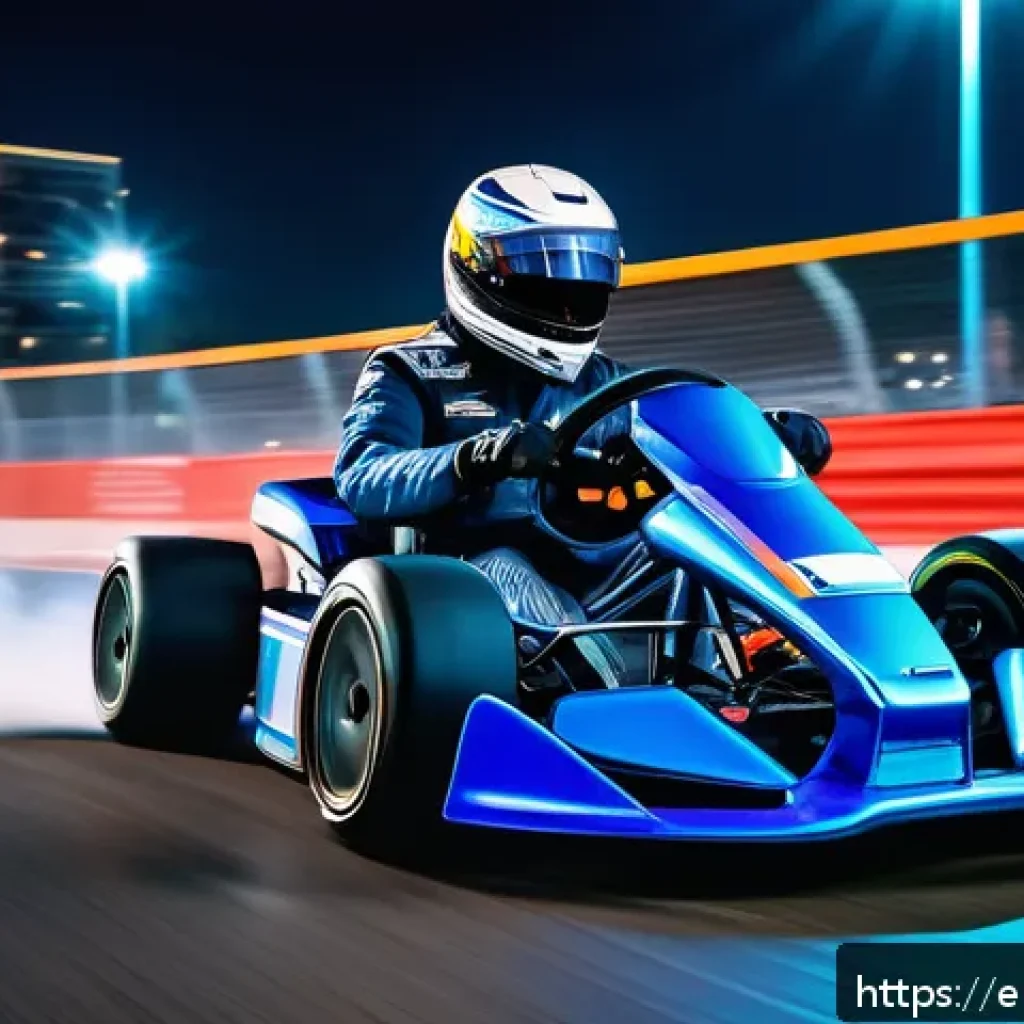
Lately, KartRider Drift has been capturing the attention of racing game enthusiasts worldwide, thanks to its thrilling gameplay and vibrant community.
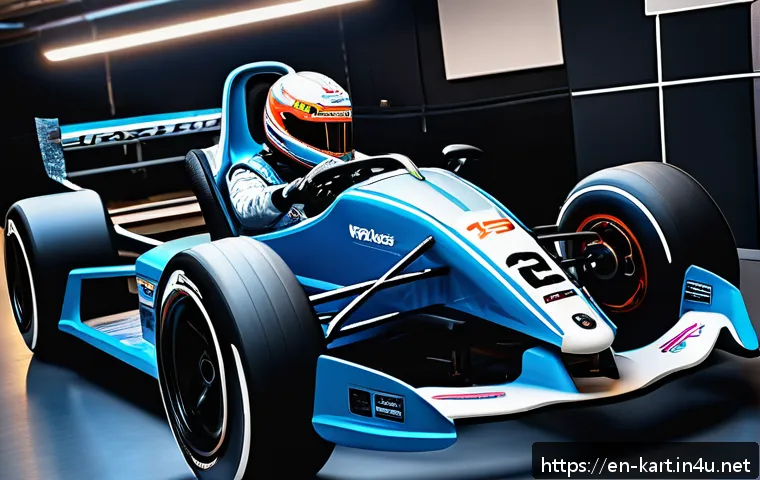
Whether you’re a casual player or aiming to climb the competitive ranks, mastering drifting techniques is key to dominating the tracks. In this post, I’ll share insider tips straight from pro racers that have transformed my own gameplay, helping me shave seconds off my lap times and boost overall control.
Stick around if you want to discover practical strategies that can instantly elevate your racing skills and make every drift count. Ready to leave your rivals in the dust?
Let’s dive in!
Understanding the Basics of Drifting in KartRider Drift
What Makes Drifting Essential in Racing
Drifting isn’t just a flashy move in KartRider Drift; it’s the cornerstone of speed and control on the track. When you master drifting, you’re able to take tight corners without losing momentum, which directly translates into faster lap times.
Unlike just braking or steering, drifting allows you to maintain acceleration while turning, giving you an edge over opponents who slow down too much.
From my experience, getting comfortable with the feel of your kart sliding just enough to hug the corners without spinning out is a game-changer. It’s a delicate balance that once achieved, feels incredibly satisfying and gives a huge competitive advantage.
How to Initiate a Drift Smoothly
Starting a drift effectively requires precise timing and understanding your kart’s handling. In practice, I found that tapping the drift button slightly before entering a corner and then adjusting your steering input as the kart slides helps keep the drift controlled.
Overdoing it leads to spinning out, while underdoing it results in wide turns and loss of speed. I personally use the mini-map to anticipate corners early, so I can begin drifting just in time.
Also, experimenting with different karts is helpful because each has a unique drift feel; some are tighter and easier for beginners, while others require more finesse but reward you with greater speed.
Adjusting Your Drift Mid-Corner
Once you’re in a drift, the key is to constantly adjust your steering and throttle to maintain the ideal slide angle. From testing various lines, I noticed that subtle steering corrections can prevent oversteering or understeering, which often cause crashes or slowdowns.
Modulating your throttle is equally important; easing off slightly can stabilize the kart, while a gentle push helps maintain the drift’s momentum. The feeling of “reading” your kart’s slide and reacting accordingly is something that comes with practice, but once you get it, you’ll notice your lap times improve significantly and your confidence on complex tracks skyrockets.
Optimizing Your Kart Setup for Better Drift Performance
Choosing the Right Kart for Your Playstyle
Your kart’s stats play a major role in how your drift behaves. Some karts have higher drift stability, meaning they’re less likely to spin out but might be slower in acceleration.
Others are more agile but demand sharper control. From my experience, picking a kart that complements your comfort level with drifting can speed up your learning curve.
For instance, if you’re new, I recommend starting with a kart that has balanced stats rather than one with extreme speed or drift values. As you get better, you can experiment with karts that offer higher risk and reward.
Tuning Tires and Boost for Maximum Control
Adjusting your tires can fine-tune grip and drift smoothness. Softer tires tend to provide better traction but can make drifting less fluid, while harder tires reduce grip but allow for longer drifts.
I often switch between setups depending on the track’s layout — tighter circuits call for more grip, while open tracks benefit from smoother drifts. Additionally, managing your boost timing can help you exit drifts faster.
Using the boost right after finishing a drift gives you a burst of speed that can shave crucial milliseconds off your lap times.
Why Customizing Your Controls Matters
Control customization is often overlooked but is vital for consistent drifting. I tweaked my button layout and sensitivity settings to suit my hand positioning and reaction speed, which made initiating and maintaining drifts feel more natural.
If your controls feel clunky, no matter how skilled you are, your drifting will suffer. Spend some time experimenting with different configurations until you find the one that feels intuitive.
This small adjustment has a surprisingly big impact on your overall race performance.
Mastering Cornering Techniques Beyond Basic Drifting
The Art of Combining Braking and Drifting
While drifting keeps your speed up, knowing when to brake is equally important. In some corners, lightly tapping the brake before initiating a drift can help you maintain a tighter line.
I learned this the hard way by initially trying to drift through every corner at full speed, which often resulted in crashes or going wide. Using braking strategically allows you to set up your kart for an optimal drift entry and exit, especially on sharp turns or chicanes.
Utilizing Weight Shift for Enhanced Stability
Weight transfer mechanics can subtly influence your drift control. Leaning into a turn or adjusting your kart’s position during a drift can help stabilize it.
Although KartRider Drift doesn’t have a traditional weight shift mechanic like some racing sims, using small steering inputs to mimic this effect really helps.
I found that slight “counter-steering” during the drift keeps the kart from over-rotating and improves exit speed. This technique takes practice but once mastered, it significantly elevates your racing finesse.
Reading the Track to Plan Your Drift Lines
Every track has unique corners that demand different drifting approaches. Getting familiar with the layout by playing repeatedly helps you identify the best drift lines that save time.
I usually watch replays and analyze where pro racers take their drifts, then try to replicate those lines. Over time, you develop an instinct for when to drift wide and when to clip the inside edge of a turn for maximum speed.
This track knowledge combined with solid drifting skills is what separates casual racers from true competitors.
Advanced Drift Techniques to Gain a Competitive Edge
Chaining Drifts for Continuous Speed
Linking multiple drifts together without losing momentum is an advanced skill that can make a huge difference in races with many consecutive turns. I remember my first time successfully chaining three drifts in a row — it felt like unlocking a new level of control.
To do this, you need to manage your kart’s slide angle precisely and use boost efficiently between drifts. It’s a balance of timing and finesse, but once you get it right, your lap times will drop noticeably.
Using Drift Boosts Strategically
Drift boosts are a powerful tool but can be wasted if used indiscriminately. I try to save my boosts for straightaways immediately following drifts, where the extra speed translates directly to time gains.
Also, when racing close to opponents, using boosts right after a drift can help you overtake or defend your position. Learning when and where to deploy your drift boost requires both practice and track knowledge, but mastering this will raise your competitive game immensely.
Adapting Drift Style to Different Track Conditions
Tracks can vary widely in surface type, weather conditions, and layout, all of which affect drifting. For example, slippery surfaces require gentler drift inputs to avoid spinning out, while dry tracks allow for sharper, more aggressive drifts.
I’ve noticed that adjusting my drift style to these conditions not only improves consistency but also helps me avoid crashes. Staying flexible and adapting on the fly is a hallmark of top-tier racers in KartRider Drift.
Common Mistakes to Avoid When Drifting
Overdrifting and Losing Control
One of the biggest pitfalls I encountered was overdrifting — pushing the kart too far into a slide until it spins out. This mistake wastes precious seconds and can cost you a race.
It’s tempting to try to drift as long as possible, but knowing when to let go and straighten out is crucial. I learned this after many frustrating crashes and now focus on feeling the limits of my kart’s grip rather than forcing the drift.
Ignoring Track-Specific Drift Approaches
Each track demands a unique approach to drifting, and ignoring these nuances can lead to slower laps or mistakes. I initially treated every track the same, which slowed my progress.
Watching replays, studying top players, and practicing specific drift lines for each course helped me overcome this. Tailoring your drifting technique to the specific demands of a track is essential for consistent performance.
Neglecting Boost Management
Boosts are often overlooked or misused by beginners, who either use them too early or miss opportunities to maximize their effect. I once wasted an entire race by not timing my boosts after drifts, which was a tough lesson.
Now, I carefully plan boost usage around drift exits and straightaways to get the best speed advantage possible. Proper boost management is a subtle but impactful skill that can separate winners from the pack.
Comparing Drift Techniques Across Popular Karts
| Kart Model | Drift Stability | Acceleration | Recommended Drift Style |
|---|---|---|---|
| Speedster X | High | Medium | Controlled, tight drifts for precision corners |
| Turbo Racer | Medium | High | Aggressive drifts with quick recovery for fast tracks |
| Drift King | Low | High | Long, flowing drifts for open circuits |
| Balanced Pro | Medium | Medium | Versatile drifts suitable for various track types |
How Kart Selection Influences Drift Strategy
Your choice of kart can dictate the drift style that works best for you. For example, the Speedster X’s high drift stability makes it ideal for players who prefer precise, tight drifts without the risk of spinning out.
On the other hand, the Drift King demands more skill to control but rewards with longer drifts that maintain speed on sweeping corners. Understanding these nuances allows you to pick a kart that complements your drifting strengths and the tracks you frequent most.
Experimenting with Karts to Find Your Perfect Fit
I found that spending time trying out different karts in practice mode is invaluable. Each kart feels unique, and what works for one racer might not work for another.
When I switched from a high-acceleration kart to one with better drift stability, my lap times improved because I was able to stay on the racing line more consistently.
Don’t hesitate to experiment and adapt your playstyle to the kart’s characteristics — it’s a key part of progressing in KartRider Drift.
Wrapping Up
Mastering drifting in KartRider Drift is a rewarding journey that combines precision, timing, and adaptability. As you refine your skills and understand your kart’s unique traits, you’ll find yourself shaving seconds off lap times and enjoying a more competitive edge. Remember, consistent practice and experimenting with different setups will help you become a confident racer on any track.
Helpful Tips to Keep in Mind
1. Always anticipate corners using the mini-map to time your drifts perfectly for smooth turns.
2. Customize your control settings to match your comfort and reaction speed, improving drift consistency.
3. Balance your boost usage by saving it for straight sections immediately after drifts to maximize speed.
4. Adapt your drifting style based on track conditions like surface type and weather to maintain control.
5. Regularly test different karts to find the one that complements your playstyle and drifting preferences.
Key Takeaways
Drifting is not just about sliding around corners but about maintaining speed and control simultaneously. Selecting the right kart and tuning your setup can dramatically improve your performance. Equally important is learning when to brake and how to adjust mid-drift to avoid oversteering or losing momentum. Strategic boost management and adapting to track-specific demands are essential for competitive racing. Lastly, continuous practice and analyzing your runs can help you master advanced techniques like chaining drifts and using drift boosts effectively.
Frequently Asked Questions (FAQ) 📖
Q: uestions about KartRider Drift Drifting TechniquesQ1: What is the best way to start learning drifting in KartRider Drift?
A: Starting with the basics is crucial. I found it super helpful to practice on easy tracks first, focusing on controlling your speed before attempting sharp turns.
Try using the handbrake gently to initiate drifts, and gradually increase your confidence with longer corners. Watching pro players’ replays also gave me insights into timing and angle, which made a huge difference in my lap times.
Q: How can I improve my drifting consistency during races?
A: Consistency comes from muscle memory and understanding each track’s layout. I recommend dedicating time to practicing specific tricky corners repeatedly until drifting feels almost automatic.
Also, pay attention to your kart’s handling stats—some karts offer better drift stability. Adjusting your kart setup to match your driving style helped me stay in control, especially during intense competitive matches.
Q: Are there any advanced drifting tips to gain an edge over other players?
A: Absolutely. Once you’re comfortable with basic drifts, mastering techniques like “drift boosting” can really set you apart. This involves initiating a drift just before a boost pad to maximize speed.
Timing is everything here, and it took me a while to get it right, but the speed gains are worth it. Additionally, combining drifting with smart item usage and track shortcuts can make your racing strategy unbeatable.