With KartRider’s recent surge in popularity and exciting new updates rolling out, now is the perfect time to sharpen your skills and leave your competitors in the dust.
Whether you’re a casual player or aiming to climb the ranks, mastering the game takes more than just speed—it demands strategy, precision, and insider knowledge.
In this post, I’ll share proven tips and tricks that I’ve personally tested, helping you navigate every track like a seasoned pro. Stick around, and you’ll soon discover how small adjustments can make a huge difference in your gameplay.
Ready to accelerate your KartRider journey? Let’s dive in!
Unlocking the Secrets of Smooth Cornering
Reading the Track Ahead
Mastering cornering in KartRider isn’t just about hitting the brakes or drifting at the right moment—it’s about anticipating what’s coming next on the track.
I’ve found that watching the layout several seconds ahead helps me adjust my speed and positioning much more effectively. This foresight allows me to avoid sudden overcorrections that can kill my momentum.
For example, if you see a sharp turn followed by a straight stretch, slowing just enough before the corner instead of braking harshly inside it can set you up for a faster exit.
It’s like playing chess at high speed; every move counts.
Perfecting the Drift Timing
Drifting is often seen as the flashy part of KartRider, but timing your drift is what really sets the pros apart. I remember when I started, I’d drift too early or too late and end up losing precious milliseconds.
The sweet spot comes just as your kart’s front wheels start to turn inward, and you feel the kart beginning to slide. Pressing the drift button too soon can cause a wide arc, while delaying it makes you scrape the walls or miss the apex entirely.
Practicing in slower-paced tracks helped me nail this timing, which then translated into smoother, faster laps on tougher circuits.
Using the Brake Strategically
Contrary to what many beginners think, the brake isn’t your enemy in KartRider. I’ve learned that light, controlled braking before a tricky corner can prevent losing speed mid-turn.
Instead of slamming the brakes, feathering it just enough to shift your kart’s weight and balance helps maintain grip. In fact, combining a slight brake with the start of a drift often results in the cleanest cornering line.
Experimenting with different brake pressures in time trials gave me insights that transformed my overall control and lap times.
Optimizing Your Kart Setup for Every Race
Choosing the Right Kart and Tires
Kart selection isn’t one-size-fits-all. Depending on the track and your playstyle, different karts and tires can make a huge difference. I typically switch between acceleration-focused karts on twisty tracks and speed-oriented ones on straight-heavy maps.
Tires also affect grip and drift control; for example, soft tires give better traction but wear out faster, while hard tires offer durability but less grip.
Testing combinations during practice sessions helped me find the perfect balance for each race type.
Adjusting the Engine and Booster Settings
Tweaking your engine and booster settings can feel overwhelming at first, but once you understand their impact, it’s like gaining a secret weapon. I tend to crank up the engine power for tracks with long straights to maximize top speed, while dialing it back slightly on technical circuits to improve handling.
Boosters are great for quick speed bursts, but timing their use is crucial—using one too early can leave you vulnerable later. I keep a mental note of booster recharge times and plan my boosts strategically for overtaking or defending positions.
Balancing Weight and Handling
Weight distribution affects how your kart responds to turns and acceleration. Heavier setups offer stability but can slow you down on uphill sections, while lighter setups accelerate faster but can be twitchy in corners.
I experimented with different balance settings until I found a setup that feels stable without sacrificing too much speed. Small adjustments here can make a noticeable difference in lap consistency, especially during longer races where fatigue and concentration come into play.
Mastering the Art of Boost Management
Timing Your Boosts for Maximum Impact
Boosts in KartRider are more than just speed bursts—they’re tactical tools that can make or break your race. From my experience, using a boost right after a clean drift or exiting a corner maximizes its effectiveness.
This timing helps maintain momentum and can catch competitors off guard. Avoid wasting boosts on straightaways where you already have full speed; instead, save them for moments when you need to recover or make a decisive pass.
Combining Boosts with Drifts and Jumps
One of the coolest tricks I discovered was chaining boosts with jumps and drifts. For instance, if you hit a ramp right after a drift boost, the airborne time lets you carry extra speed and avoid hazards on the ground.
It’s tricky to pull off consistently, but once you get the rhythm, you can shave seconds off your lap times. I practiced this combo on maps with multiple jumps and found it especially effective in multiplayer races where every edge counts.
Managing Boost Resources Efficiently
Boost isn’t unlimited, so managing your resources is key. I usually keep an eye on my boost meter and avoid using all of it at once unless it’s a do-or-die moment.
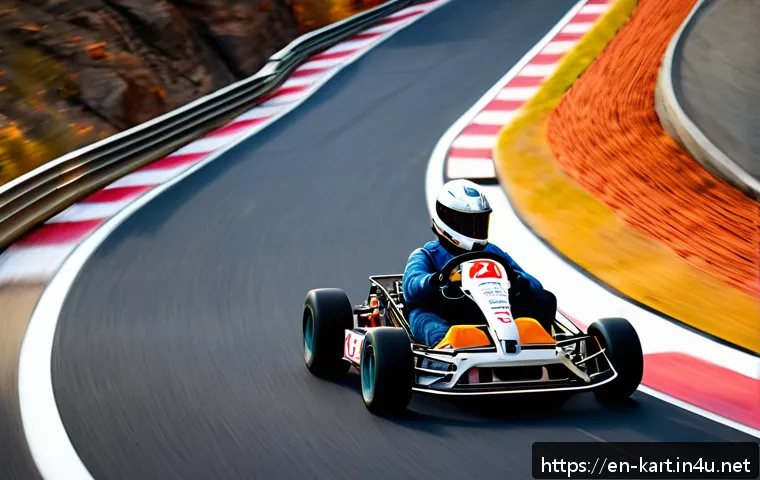
Pacing your boosts allows you to stay flexible throughout the race, adapting to sudden changes like crashes or overtakes. Think of your boost meter like a stamina bar in an RPG—you want to conserve it enough to unleash powerful bursts when the pressure is on.
Reading Your Opponents and Track Conditions
Predicting Opponent Moves
KartRider is as much about outsmarting your rivals as it is about raw speed. I started paying close attention to how opponents drive—do they favor aggressive drifts, or do they play it safe?
This insight helps me anticipate their next moves and adjust my racing line accordingly. For example, if someone tends to over-drift on a corner, I position myself to take the inside line and block their advance.
It’s a subtle mind game that adds a whole new layer to the racing experience.
Adapting to Weather and Track Variations
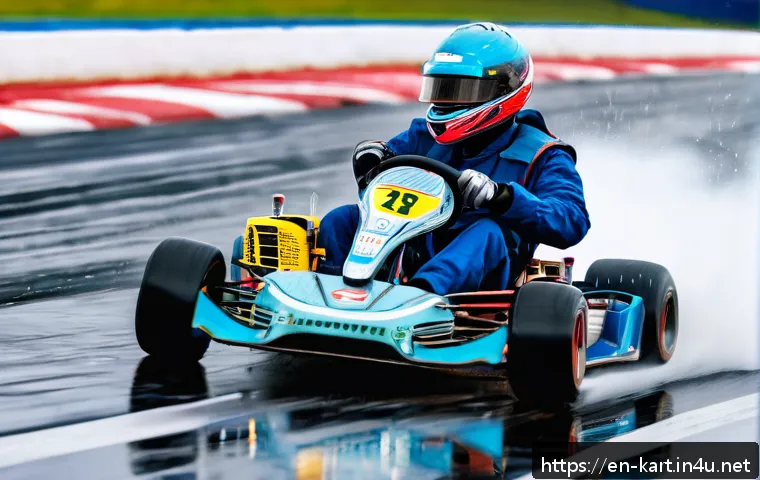
Some KartRider tracks feature weather effects or surface changes that impact handling. I remember racing on a wet track where traction was severely reduced, forcing me to dial back aggression and rely more on smooth steering and gentle braking.
Learning to adjust your playstyle to these conditions can prevent costly mistakes. Watching how the kart behaves in different environments during practice sessions gave me a leg up when racing under challenging conditions.
Using Environmental Hazards to Your Advantage
Tracks often include hazards like oil slicks, ramps, or narrow passages. Instead of avoiding these blindly, I’ve learned to use them strategically. For instance, jumping over hazards can help you bypass traffic jams, and pushing opponents into tricky spots can slow them down.
Recognizing which hazards reset your speed and which ones can be exploited for a shortcut is a game-changer. It’s all about turning the track’s challenges into your opportunities.
Fine-Tuning Your Reaction Time and Control
Improving Hand-Eye Coordination
KartRider demands quick reflexes and precise control, so training your hand-eye coordination is essential. I started incorporating reaction drills into my gaming routine—things like practicing quick turns and sudden speed adjustments in custom tracks.
Over time, this helped me react faster to unexpected events like opponent collisions or sudden track changes, keeping me in control even under pressure.
Customizing Controls for Comfort and Efficiency
I noticed a big difference when I tweaked my control settings to fit my personal comfort. Whether it’s adjusting sensitivity or remapping buttons, having controls that feel intuitive reduces input lag and mistakes.
Don’t hesitate to experiment with different setups until you find one that feels like an extension of your own hands. This small investment of time pays off massively in tight races where split-second decisions matter.
Staying Calm Under Pressure
One of the hardest things to master is keeping your cool during intense moments. I’ve lost more races due to panic than lack of skill. Developing a calm mindset helps maintain focus and execute strategies flawlessly.
Techniques like deep breathing or visualizing your next move before a tough corner can prevent choking. Staying composed lets you spot opportunities others miss and recover quickly from setbacks.
Essential KartRider Track Strategies Compared
| Strategy | Best Used On | Key Benefits | Potential Drawbacks |
|---|---|---|---|
| Early Drift Initiation | Twisty, technical tracks | Improves corner speed and control | Risk of drifting wide if mistimed |
| Late Braking | High-speed circuits with long straights | Maximizes speed entering corners | Can cause understeer or crashes |
| Boost Conservation | Long races or multiplayer modes | Allows for strategic speed bursts | Missed opportunities if over-conservative |
| Hazard Exploitation | Maps with jumps and obstacles | Provides shortcuts and defensive options | Requires precise timing and skill |
| Opponent Anticipation | Competitive multiplayer | Improves positioning and overtaking | Needs quick decision-making |
Wrapping Up
Mastering KartRider’s cornering, boost management, and kart setup requires practice and attention to detail. By understanding the track, anticipating opponents, and fine-tuning your controls, you can elevate your gameplay significantly. Remember, every small adjustment counts toward shaving precious seconds off your lap times and gaining an edge over the competition.
Helpful Tips to Keep in Mind
1. Always study the track layout ahead to plan your speed and lines effectively.
2. Practice your drift timing on slower circuits before taking on more challenging tracks.
3. Use light braking strategically to maintain grip and control through corners.
4. Balance your kart’s weight and handling based on the race type for consistent performance.
5. Manage your boosts carefully—saving them for key moments can make a huge difference.
Key Takeaways
Understanding when and how to drift, brake, and boost is essential for smooth cornering and overall race success. Tailoring your kart setup to the track conditions and your personal style enhances both speed and control. Observing your opponents’ behavior and adapting to changing environments can provide valuable tactical advantages. Lastly, maintaining calm and sharpening your reaction times will help you stay competitive even under pressure.
Frequently Asked Questions (FAQ) 📖
Q: uestions about KartRider Tips and TricksQ1: What are the best ways to improve my drifting technique in KartRider?
A: Improving your drifting starts with understanding the timing and angle. From my experience, it helps to initiate a drift just before entering a turn, then control the drift by balancing acceleration and brake to maintain speed without spinning out.
Practicing on familiar tracks allows you to experiment with different drift styles and find what suits your playstyle best. Also, keep an eye on your kart’s handling stats—some karts respond better to aggressive drifting than others.
Q: How can I optimize my kart setup to gain an edge over competitors?
A: Optimizing your kart setup is crucial. I’ve found that customizing parts like tires, engines, and frames based on the track type makes a noticeable difference.
For example, tracks with lots of sharp turns benefit from better handling parts, while straight-heavy tracks favor speed upgrades. Don’t overlook the importance of balancing speed and control; sometimes sacrificing a bit of top speed for better stability can lead to cleaner laps and fewer crashes.
Q: Are there any insider tips to mastering new updates and tracks faster?
A: Absolutely! Whenever a new update or track drops, I recommend diving into practice mode right away to familiarize yourself without pressure. Watching top players’ gameplay videos can reveal subtle shortcuts or ideal racing lines you might miss otherwise.
Also, pay attention to patch notes—sometimes small changes to kart physics or track layouts can affect your strategy. Staying active in community forums and discussions can provide fresh insights and keep you ahead of the curve.