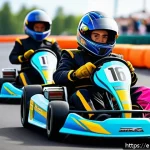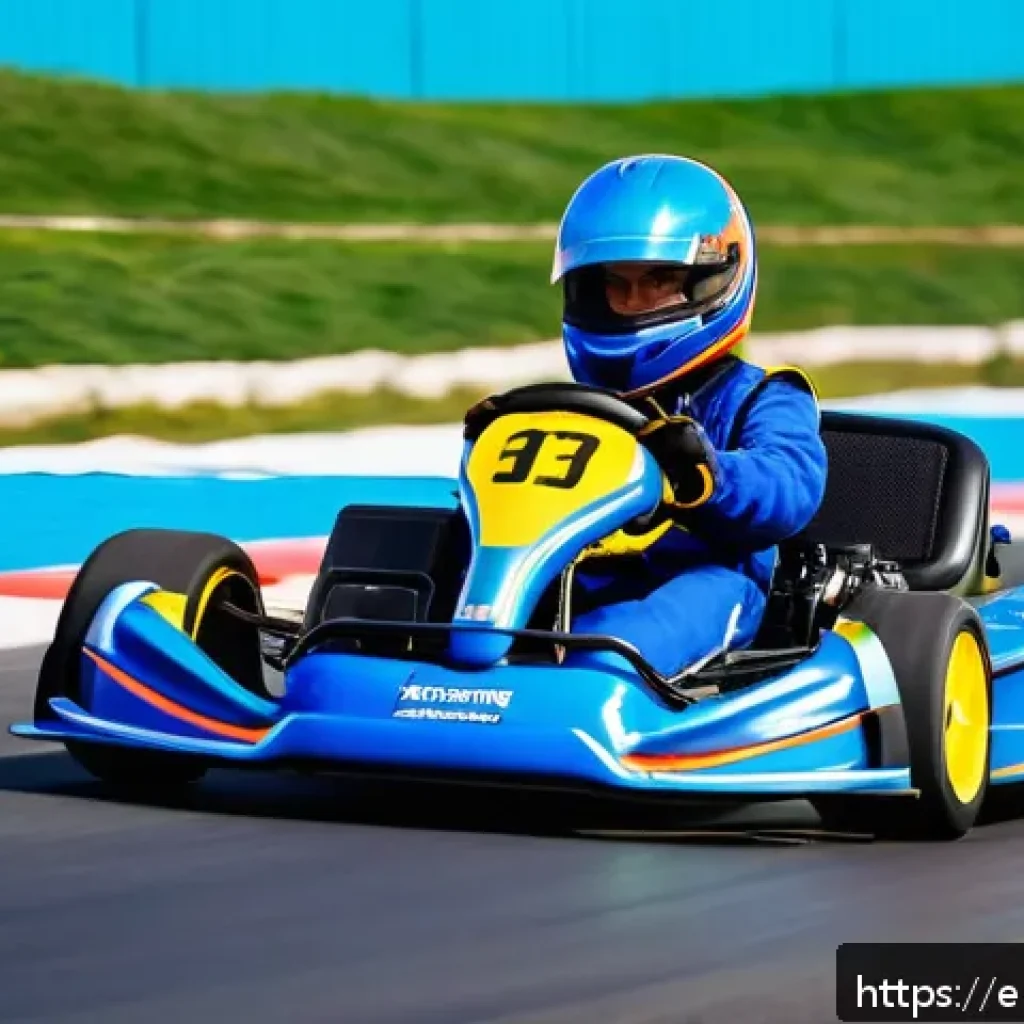
Lately, kart racing has been gaining serious momentum as both a thrilling hobby and a competitive sport. If you’ve ever found yourself mesmerized by those high-speed turns and tight finishes, you’re not alone.
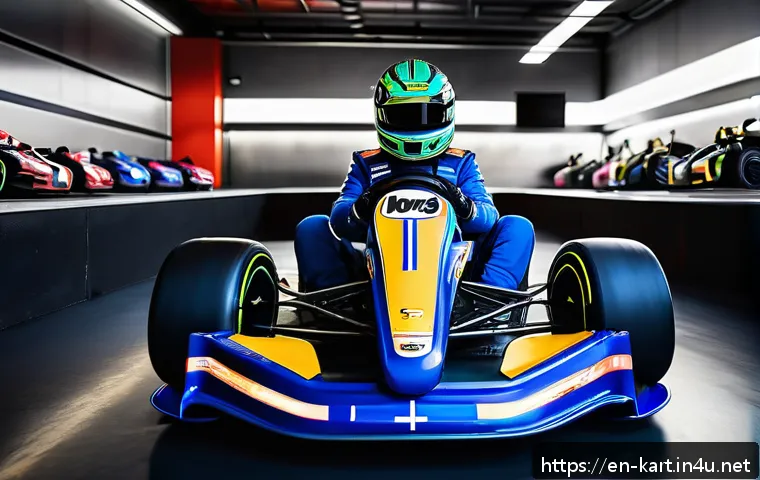
Whether you’re just starting out or looking to sharpen your skills, mastering the basics can make all the difference between finishing mid-pack and taking the checkered flag.
In this guide, I’ll share practical tips and insider secrets that helped me level up quickly on the track. Stick around, and you’ll be turbocharging your racing skills before you know it!
Understanding Kart Handling: The Key to Smooth Control
Grasping the Basics of Steering Dynamics
Getting comfortable with how your kart reacts to steering inputs is the foundation of racing success. Unlike a car, karts have no suspension, so every tiny movement you make on the wheel directly affects how the kart behaves.
When you turn, the kart leans and shifts weight, influencing traction on each tire. Early on, I found myself oversteering on sharp corners, which led to losing precious seconds.
Learning to balance gentle, progressive steering rather than jerky inputs helped me maintain better control and speed through bends.
Mastering Weight Transfer for Optimal Grip
Weight transfer is a subtle but powerful aspect of kart racing. When you brake, accelerate, or corner, the kart’s weight shifts, impacting tire grip. For example, braking before a turn shifts weight to the front tires, increasing their grip and allowing sharper steering.
Conversely, accelerating shifts weight to the rear, improving traction but reducing front-end grip. I noticed that timing my braking and throttle smoothly to manage these shifts gave me more confidence in tight corners and improved lap times significantly.
Finding Your Ideal Racing Line
The racing line isn’t just the shortest path around the track—it’s the fastest. It involves strategically positioning your kart to carry the highest possible speed through corners without losing control.
At first, I tried hugging the inside line too tightly, which caused me to scrub speed and sometimes spin out. After practicing, I learned to approach corners wider, apex correctly, and accelerate out of turns with better momentum.
This adjustment alone shaved seconds off my laps consistently.
Effective Braking Techniques to Gain Precious Seconds
Threshold Braking for Maximum Efficiency
Threshold braking means applying the brakes just hard enough to maximize deceleration without locking the wheels. In karting, locking up tires means losing control and sliding, which kills your speed.
When I started focusing on feeling the limit of grip through the brake pedal, my braking became smoother and more predictable. This technique is especially useful in heavy braking zones where every millisecond counts.
Trail Braking: Balancing Brakes and Steering
Trail braking involves gradually releasing the brake while beginning to steer into a corner. This technique helps shift weight to the front tires, increasing their grip and allowing sharper corner entry.
It took me a few sessions to get the timing right, but once I did, I could carry more speed into tight turns without understeering. It’s a bit like dancing with your kart—knowing when to brake and when to let go.
Knowing When to Brake: Braking Points and Distances
One of the hardest parts of kart racing is deciding exactly where to brake before a turn. Brake too early, and you lose speed; brake too late, and you risk overshooting the corner.
I kept a notebook of my braking points for each track and adjusted them lap by lap. This habit helped me develop an intuitive sense of when to brake, which improved my consistency and lap times dramatically.
Throttle Control: The Secret to Smooth Acceleration
Gradual Throttle Application for Traction
Slamming the throttle in a kart often results in wheelspin and loss of control, especially coming out of corners. I learned that applying the throttle gradually allows the tires to maintain grip and accelerates more efficiently.
This approach also reduces tire wear and helps maintain balance through the exit.
Using Throttle Modulation to Correct Understeer and Oversteer
Throttle isn’t just about speed; it’s also a tool for controlling the kart’s behavior. For example, easing off the throttle slightly can reduce understeer by shifting weight to the front tires.
Conversely, a bit of throttle can help correct oversteer by shifting weight rearward. Playing with throttle modulation during cornering gave me better control, especially on tricky sections of the track.
Balancing Speed and Stability on Straights
While it’s tempting to floor the throttle on every straight, sometimes feathering it just a bit can improve overall lap times by setting you up better for the next corner.
I found that controlling throttle input on straights helped me stay balanced and ready for quick braking, rather than having to make sudden corrections.
Choosing the Right Kart Setup for Your Style and Track
Adjusting Tire Pressure for Grip and Speed
Tire pressure dramatically affects how your kart handles. Higher pressure reduces rolling resistance and increases top speed but decreases grip. Lower pressure improves grip but can slow you down.
I experimented with different pressures during practice sessions and found a sweet spot that gave me both control and speed. It varies by track and weather, so don’t be afraid to tweak.
Seat Position and Driver Posture
Believe it or not, where you sit and how you position your body influences kart balance and steering feel. Sitting too far back can reduce front-end grip, while leaning into corners slightly can help with weight distribution.
I adjusted my seat incrementally until I found a posture that felt natural yet improved my kart’s responsiveness.
Steering Sensitivity and Alignment
Fine-tuning steering responsiveness can make a big difference, especially on technical tracks. Some karts allow adjustments to steering sensitivity and wheel alignment.
I tried both loose and tight setups and discovered that a slightly tighter steering setup gave me better precision without feeling twitchy.
Reading the Track: Anticipation and Strategy
Learning Track Layouts and Key Corners
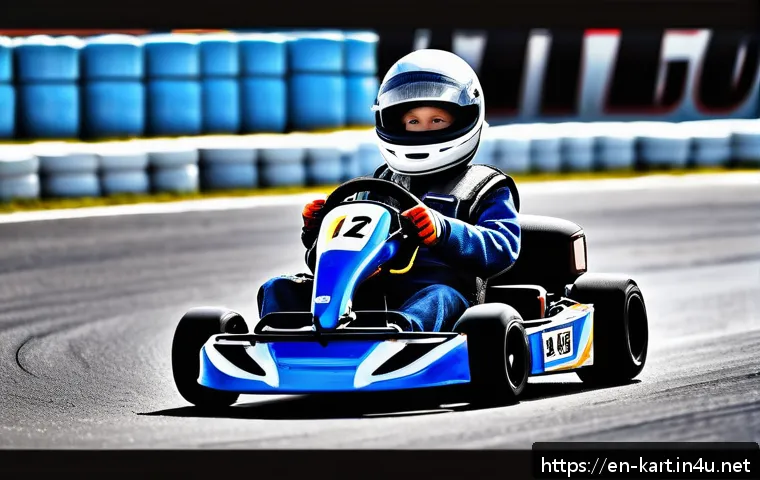
Knowing the track inside out is a game changer. I spent time walking the track and watching onboard videos to memorize braking zones, apexes, and straightaways.
This preparation helped me anticipate what’s coming next and plan my moves rather than reacting last minute.
Adapting to Changing Track Conditions
Track surfaces change with weather, temperature, and rubber buildup. For example, a hot sunny day can make the track slick, while rain drastically reduces grip.
I learned to adjust my driving style accordingly—being smoother on throttle and brakes in wet conditions, for instance—to avoid crashes and maintain speed.
Strategic Overtaking and Defending
Overtaking in karting requires patience and timing. I found that waiting for the right moment—usually a corner entry or exit where the opponent is vulnerable—was far more effective than aggressive moves that often led to collisions.
Defending your line also means being aware of your mirrors and anticipating challengers without blocking recklessly.
Essential Mental and Physical Preparation for Racing
Building Focus and Race Awareness
Kart racing demands intense concentration. I noticed that laps where I stayed mentally sharp resulted in fewer mistakes and better lap consistency. Techniques like visualization before races and controlled breathing during events helped me maintain focus even under pressure.
Physical Conditioning for Endurance and Reflexes
Even though karts are small, racing is physically demanding. Core strength, arm endurance, and cardiovascular fitness all play roles in maintaining control throughout a race.
I incorporated simple workouts and stretches into my routine, which noticeably improved my stamina and reaction times on the track.
Handling Pressure and Staying Calm
Racing can get intense, especially in competitive settings. I learned that keeping calm and not letting nerves dictate my driving made a huge difference.
Taking deep breaths, breaking down the race into manageable parts, and focusing on process over outcome helped me stay composed and perform better.
Comparing Kart Types and Choosing the Right One
| Kart Type | Engine Power | Best For | Handling Characteristics | Typical Use |
|---|---|---|---|---|
| Cadet Karts | 5-6 HP | Young Beginners | Light, easy to handle | Entry-level racing |
| TaG (Touch and Go) Karts | 15-20 HP | Intermediate Racers | Responsive, moderate speed | Club racing, training |
| Shifter Karts | 30-50 HP | Advanced Racers | High power, complex handling | Competitive racing |
| Electric Karts | Varies (20-40 HP) | Eco-conscious Racers | Instant torque, quiet | Indoor tracks, practice |
Why Engine Power Matters
Choosing a kart with appropriate engine power is crucial. Beginners should start with lower horsepower to focus on learning control, while experienced racers benefit from more powerful engines to push limits.
I initially struggled jumping into a high-powered kart, which overwhelmed me and slowed my progress.
Handling Differences and Skill Requirements
Each kart type demands different skill levels. Shifter karts require shifting gears manually, adding complexity but rewarding skilled drivers with faster lap times.
Electric karts offer smooth acceleration and are great for indoor or beginner-friendly environments.
Considering Track and Racing Goals
Your choice should also reflect the tracks you race on and your personal goals. Tight, technical tracks favor nimble karts with good handling, while faster, flowing circuits benefit from more powerful setups.
Matching kart type to your ambitions helps keep progression fun and effective.
In Conclusion
Mastering kart handling is essential for improving your lap times and enjoying the sport to its fullest. Through understanding steering dynamics, braking techniques, throttle control, and proper kart setup, you can gain better control and confidence on the track. Remember, practice and patience are key to refining these skills. With dedication, every racer can transform their performance and have more fun behind the wheel.
Helpful Tips to Keep in Mind
1. Always warm up your kart and tires before pushing hard to avoid unexpected slips and ensure consistent grip.
2. Keep a driving journal to track your braking points, throttle application, and cornering lines for continuous improvement.
3. Adjust your kart setup based on weather and track conditions—small tweaks can make a big difference.
4. Develop mental focus routines like visualization and controlled breathing to stay sharp during races.
5. Prioritize physical conditioning to maintain endurance and quick reflexes, especially during longer race sessions.
Key Takeaways for Better Kart Racing
Understanding how your kart responds to steering and weight transfer sets the foundation for smooth control and faster laps. Efficient braking techniques like threshold and trail braking allow you to maximize speed without sacrificing stability. Throttle control is crucial for managing traction and correcting handling issues mid-corner. Tailoring your kart’s setup—such as tire pressure, seat position, and steering sensitivity—to your style and track conditions enhances performance significantly. Finally, mental preparation and physical fitness are just as important as technical skills to consistently perform at your best.
Frequently Asked Questions (FAQ) 📖
Q: uestions about Kart Racing BasicsQ1: What’s the best way to get started in kart racing if I’m a complete beginner?
A: Starting out in kart racing can feel overwhelming, but the key is to focus on the fundamentals first. Begin by familiarizing yourself with the kart’s controls and basic mechanics, like throttle and brake modulation.
Spend time practicing on a smaller, less crowded track to build confidence. Don’t hesitate to take a few coaching sessions—having an experienced instructor can accelerate your learning curve dramatically.
Personally, I found that mastering smooth steering inputs and braking early on made all the difference in feeling in control and improving lap times.
Q: How can I improve my cornering technique to gain an edge on the track?
A: Cornering is where many races are won or lost, so honing this skill is crucial. The secret lies in learning the racing line—enter wide, clip the apex, and exit smoothly while accelerating.
It’s tempting to dive in aggressively, but controlled, precise turns help maintain speed and tire grip. I remember when I started focusing on trail braking—gradually easing off the brake while entering the corner—it helped me carry more speed through turns and shave seconds off my lap times.
Watching videos of pro drivers and analyzing your own runs can reveal subtle tweaks you might miss otherwise.
Q: What gear or equipment do I need to get serious about kart racing?
A: While you don’t need the fanciest gear starting out, investing in quality essentials makes a huge difference in safety and performance. A well-fitting helmet, racing gloves, and a durable racing suit are must-haves.
As you progress, consider upgrading to racing shoes designed for pedal feel and comfort. For competitive karting, a reliable kart with adjustable settings tailored to your style is key—chassis stiffness, tire choice, and engine tuning all play roles.
From my experience, having gear that fits well and feels comfortable allowed me to focus better during races instead of being distracted by discomfort or poor visibility.