Hey racers! With KartRider Drift’s latest updates shaking up the leaderboard, now’s the perfect time to sharpen your skills and conquer those challenging tracks.
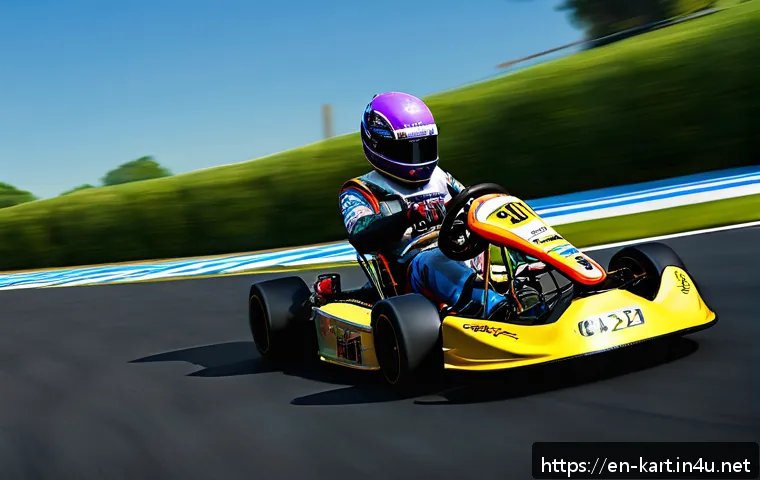
Whether you’re a casual player or aiming for competitive glory, mastering the game’s unique mechanics can be a game-changer. I’ve tested out some fast tips and winning strategies that truly level up your gameplay.
Stick around as I share insights that helped me improve my lap times and dominate races—let’s get you crossing that finish line first!
Understanding Drift Mechanics to Gain an Edge
Mastering the Basics of Drift Timing
Getting the timing right on your drifts is crucial. I remember when I first started, I’d hold the drift button too long or release it too soon, which cost me valuable speed.
The sweet spot is to initiate the drift just as you approach a sharp turn and release it at the exact moment you align with the track’s exit. This technique keeps your kart’s speed intact and lets you corner like a pro.
Practice on simpler tracks to get a feel for the timing before tackling more complex circuits.
Optimizing Drift Boost for Maximum Acceleration
Drift boosts are the game-changer in KartRider Drift. What’s interesting is that the longer you hold your drift, the bigger the boost you get—but it’s a double-edged sword.
Hold too long, and you risk spinning out or losing control. I found that tapping the drift boost right as you exit a corner gives you that perfect burst of speed without jeopardizing your line.
Experiment with different drift lengths on various turns; some require a quick tap, while others reward a longer hold.
Using Drift to Position Yourself Strategically
Drifting isn’t just about speed; it’s also about positioning. When you drift effectively, you can block opponents or take shortcuts that others miss. During a recent race, I used a well-timed drift to cut inside on a tight corner, overtaking two players in one move.
It’s about reading the track and your opponents’ behavior, then using your drift to your advantage. This requires patience and practice but pays off big in competitive play.
Picking the Right Kart and Rider Combination
Evaluating Kart Stats for Your Playstyle
Karts in KartRider Drift come with varying stats like speed, acceleration, drift, and handling. I personally like a balanced kart that leans slightly towards drift and handling because it lets me navigate tight corners without sacrificing too much speed.
If you’re more of a straight-line racer, prioritize speed and acceleration. Try different karts in practice mode to see which stats feel the most natural to your driving style before committing in competitive matches.
Choosing Riders That Complement Your Strategy
Each rider offers unique abilities or passive bonuses that can subtly influence your race outcome. For example, some riders improve boost gauge recovery, while others enhance handling during drifts.
When I switched to a rider with a boost recovery bonus, I noticed my lap times dropped by a few seconds, which is huge in this game. Don’t overlook how your rider’s perks sync with your kart’s strengths to maximize performance.
Adapting Your Setup for Different Tracks
Not all tracks play the same, so customizing your kart and rider for the course is a smart move. For technical tracks with many sharp turns, prioritize drift and handling.
On more open, speed-focused tracks, go for higher top speed and acceleration. This flexibility can be a decisive factor in tournaments where you face multiple track types.
I keep a couple of setups ready so I can switch quickly depending on the race.
Advanced Techniques to Outsmart Opponents
Perfecting the Slipstream for Strategic Overtakes
Slipstreaming is an underrated tactic in KartRider Drift. Riding closely behind an opponent reduces air resistance, giving you a speed boost to slingshot past them.
I often use this on long straights where raw speed matters most. Timing is everything here—you want to break out of the slipstream just before a corner to avoid losing control.
It’s a thrilling risk that, when pulled off right, can flip race positions in your favor.
Using Item Cards Wisely in Competitive Play
If you’re playing item mode, knowing when and how to use your items can make or break your race. I’ve learned that saving defensive items like shields for the final lap prevents nasty surprises, while offensive items work best when opponents bunch up.
For example, dropping a well-timed banana peel right after a sharp turn can trap multiple racers behind you. Item management is as much a mental game as it is about reaction speed.
Maintaining Composure Under Pressure
Racing against skilled players can get intense, and it’s easy to make mistakes when you’re tense. From my experience, staying calm and focused helps maintain smooth control, especially during crucial drifts.
I take deep breaths between laps or during slow stretches to reset mentally. Remember, one small error can cascade into losing a race, so keeping your cool is a hidden skill that champions master over time.
Track-Specific Tips to Shave Seconds Off Your Time
Analyzing Track Layouts Before Racing
Spending a few minutes studying each track’s layout before jumping into a race can give you a serious advantage. I usually preview the course and identify tricky corners, potential shortcuts, and drift-heavy sections.
This mental map helps me anticipate where to push hard or ease off, reducing surprises mid-race. For example, some tracks have tight S-curves that require precision drifting, while others reward aggressive boosts on long straights.
Utilizing Shortcuts and Boost Pads Effectively
Knowing the location and timing of boost pads and shortcuts is like having a secret weapon. I found that hitting boost pads right after drifting amplifies their effect, launching me ahead of opponents.
Some shortcuts might seem risky but can save critical seconds if you nail the entry and exit. Practice these repeatedly; the difference between missing and mastering a shortcut can be the difference between podium and middle of the pack.
Adapting Your Strategy Based on Race Conditions
Weather effects or different race modes can drastically change how a track plays. Wet surfaces might reduce traction, requiring gentler drifts and earlier braking.
In time attack modes, it’s all about consistency and minimizing errors. I always adjust my approach depending on these factors, which has helped me avoid costly crashes and maintain steady lap times.
Flexibility and quick thinking on the track separate the good racers from the great.
Effective Practice Routines to Boost Your Skill
Structured Practice Sessions with Goals
Randomly racing isn’t enough to improve fast. I set specific goals for each practice session—like perfecting drifts on a particular track or improving start boosts.
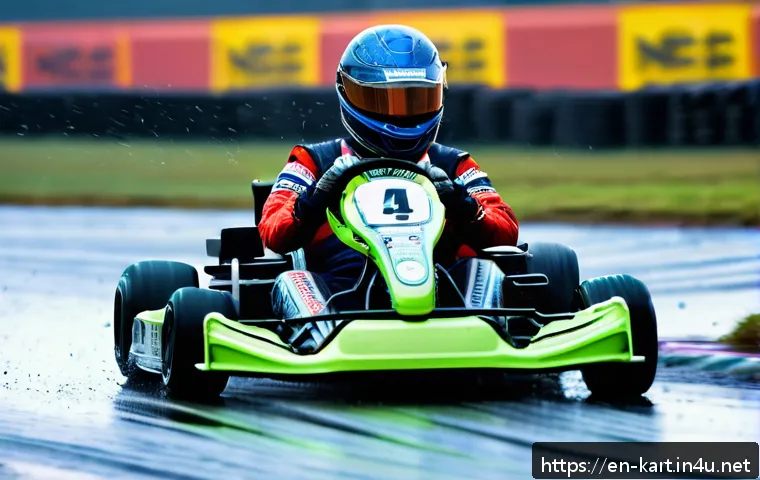
Breaking down your practice into focused drills helps build muscle memory and confidence. For example, dedicate 15 minutes to mastering corner entry angles, then switch to acceleration control.
This kind of targeted practice accelerates your learning curve.
Reviewing Replays to Identify Mistakes
One of the best ways to improve is by watching your own race replays. I was shocked how many small mistakes I missed while racing live—like drifting too wide or losing speed on exits.
Analyzing replays helps you spot patterns and fix habits that slow you down. I usually take notes on which corners I lose the most time and then practice those specifically.
It’s like having a coach right there with you.
Joining Community Events and Friendly Races
Racing against friends or community members is both fun and educational. It exposes you to diverse playstyles and strategies that you might not encounter otherwise.
I’ve picked up several new techniques just by observing how different players handle certain tracks. Plus, the friendly competition keeps motivation high without the stress of ranked play.
It’s a great way to stay sharp and learn from others.
Balancing Aggression and Patience for Race Success
Knowing When to Take Risks
Aggressive driving can pay off, but it’s a double-edged sword. I used to push too hard and spin out frequently, losing all my progress. Now, I’ve learned to assess the situation—if I’m in the lead, I focus on clean lines and avoid unnecessary risks.
But if I’m behind, taking calculated risks like sharp drifts or daring overtakes can help me catch up quickly. Finding this balance is key to consistent wins.
Maintaining Patience in Crowded Races
When the track is packed with players, patience becomes your best friend. Trying to force your way through can cause collisions and setbacks. I try to read the flow of the pack, waiting for the right moment to slip through gaps or use boosts.
Staying calm and strategic often lets me gain positions gradually without chaos. This approach has saved me countless times in intense multiplayer matches.
Using Defensive Maneuvers to Protect Your Lead
Once you’re in front, it’s not just about speed but also about defense. I use small, controlled drifts to block opponents or position myself to avoid attacks.
Holding an item like a shield during critical moments can prevent being overtaken. Defensive driving is a subtle skill that requires awareness of opponents’ positions and anticipating their moves.
Mastering this can turn a narrow lead into a solid victory.
Key Performance Metrics to Track Your Progress
Understanding Lap Times and Split Times
Keeping an eye on your lap and split times helps you measure improvement accurately. After each race, I compare my current times with previous runs to identify where I’ve gained or lost ground.
This quantitative feedback is motivating and directs your practice focus. For instance, if your first lap is consistently slower, work on starts and early corners.
Tracking Drift Accuracy and Boost Efficiency
Drift accuracy measures how well you hit your drift zones, while boost efficiency looks at how much speed you gain from boosts. I noticed my boost efficiency improved drastically once I started refining drift timing.
Some players ignore these stats, but they’re invaluable for pinpointing weaknesses. Tools and in-game stats can help you monitor these metrics over time.
Setting Realistic Goals for Each Session
Setting small, achievable goals keeps you motivated. I aim to improve lap times by fractions of a second rather than chasing perfect runs immediately.
Celebrating these micro-improvements builds confidence and momentum. Whether it’s nailing a tricky corner or beating a personal best, each milestone is a step toward mastery.
| Practice Focus | Key Benefit | Recommended Duration |
|---|---|---|
| Drift Timing | Improves cornering speed and control | 15-20 minutes |
| Boost Management | Maximizes acceleration bursts | 10-15 minutes |
| Track Layout Study | Enhances strategic positioning | 5-10 minutes |
| Replay Analysis | Identifies mistakes and improvement areas | 10-15 minutes |
| Community Races | Exposes to diverse strategies and pressure | Variable, recommended weekly |
In Conclusion
Mastering drift mechanics and understanding the nuances of kart and rider selection are essential to elevating your racing skills. Consistent practice, strategic thinking, and adapting to different track conditions will give you a competitive edge. Remember, patience and composure often separate winners from the rest. Keep refining your techniques, and you’ll see your lap times drop and race results improve.
Helpful Information to Keep in Mind
1. Focus on timing your drifts precisely to maintain speed through corners and maximize boost potential.
2. Choose kart and rider combinations that complement your unique racing style and adapt them to the track you’re racing on.
3. Use advanced tactics like slipstreaming and item management to outsmart opponents during critical moments.
4. Analyze track layouts beforehand and practice shortcuts and boost pad timings to shave valuable seconds off your race time.
5. Establish structured practice routines with clear goals and review your race replays to identify areas for improvement.
Key Takeaways
Success in KartRider Drift hinges on a balanced approach combining skill, strategy, and adaptability. Mastering drift timing and boost usage enhances your speed and control, while selecting the right kart and rider boosts your overall performance. Strategic positioning, both offensively and defensively, can secure race wins when executed with composure. Regular practice and thoughtful analysis of your performance ensure continuous growth. Ultimately, patience and smart risk-taking are the pillars of consistent success on the track.
Frequently Asked Questions (FAQ) 📖
Q: uestionsQ1: What are the most effective ways to improve lap times in KartRider Drift?
A: From my experience, the key to shaving seconds off your lap times lies in mastering drifting mechanics and perfecting your cornering lines. Focus on initiating drifts early and controlling your speed through turns without losing momentum.
Also, experimenting with different karts and tuning their parts to suit your driving style can make a noticeable difference. Practicing on specific tracks repeatedly helps you memorize the best racing lines, so you can anticipate turns and obstacles better.
I found that watching replays of top players gave me new perspectives on where to gain time, which really helped me up my game.
Q: How can casual players enjoy KartRider Drift while still improving their skills?
A: Casual players can absolutely have fun while steadily getting better by focusing on the basics first. Don’t stress about winning every race; instead, try to learn from each run by observing how your kart handles and where you lose speed.
Using practice modes to get comfortable with drifting and acceleration without pressure is a great way to build confidence. Joining friendly community races or playing with friends also adds a social element that keeps things enjoyable.
Over time, these small improvements naturally lead to better performance without feeling overwhelming.
Q: What strategies help in climbing the competitive leaderboard quickly?
A: Climbing the leaderboard requires a mix of consistency, adaptability, and strategic kart selection. My advice is to pick a kart setup that balances speed, acceleration, and drift control to suit your preferred tracks.
Don’t just rely on raw speed; focus on minimizing mistakes and maintaining smooth, controlled drifts. Learning track-specific shortcuts and mastering boost timing can give you an edge in tight races.
Additionally, regularly reviewing your race replays to identify areas for improvement is crucial. Staying patient and persistent pays off—improving one small aspect each race adds up to big gains on the leaderboard.