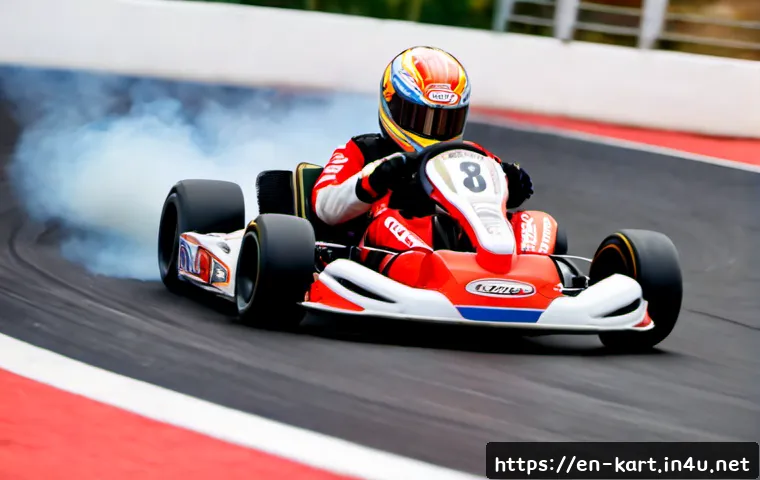
The easiest way to refresh a kart racing session is to change the rules, not the track. Try solo time trials for practice, no-item races for clean driving, or balanced team relays for a competitive group.
These formats use the same core skills—racing lines, drifting, item timing, and track knowledge—but reward them in different ways. A controller may be worth considering when comfort or consistent inputs become a problem during longer sessions.
For group play, clear rules and balanced teams usually matter more than extra gear. Always check which private-room options, modes, and input settings are available in your game version and region.
At a Glance
- Solo pick: Run a time-trial challenge to focus on drifting, racing lines, and repeatable improvement.
- Casual group pick: Use a no-item race with simple rotating handicaps so friends can compete without confusion.
- Competitive group pick: Try balanced team relays or a points-based mini tournament with clear scoring before the first race.
| Challenge Format | Best Player Count | Setup Effort | Skill Focus | Optional Gear |
|---|---|---|---|---|
| Solo time trial | One player | Low | High | Comfortable controller, clear display |
| No-item driving race | Two or more | Low | Medium to high | Controller for consistent inputs |
| Team relay or points tournament | Four or more | Medium | Medium | Gaming headset for communication |
| Handicap recovery rounds | Two or more | Medium | Flexible | Private lobby options where available |
Start With a Fresh Way to Race
A familiar kart racing game can feel new when the group changes its goal. Instead of always chasing first place, decide whether the session is about skill practice, social laughs, or close competition. The best format depends on how many players are joining and how large the skill gap is.
Three Quick Picks for Solo Practice, Casual Friends, and Competitive Groups
For one player, use a time-trial routine: repeat one course and aim for cleaner lines rather than a lucky result. For a relaxed friend session, choose no-item races on familiar tracks. For a larger, competitive lobby, assign balanced teams and use a simple points system across several races.
Set Expectations Before the First Race
Explain the win condition before anyone starts. Say whether items are allowed, how points are counted, and whether handicaps will rotate. This takes little time and prevents arguments caused by unclear rules. If your game offers private rooms or custom settings, confirm the available options first.
Compare Challenge Formats by Skill, Group Size, and Setup Effort
Time trials are usually the easiest option to run alone because they do not depend on item timing or lobby coordination. Multiplayer challenges can be more lively, but they need rules that players understand quickly.
Solo Time Trials Versus Multiplayer Rule Challenges
Choose time trials when you want direct feedback on driving lines, drifting, and track knowledge. Choose multiplayer house rules when the goal is variety. A no-item race is relatively easy to explain, while a recovery format or team relay needs a little more coordination.
Quick Comparison: Replay Value, Fairness, and Optional Equipment
Time trials offer strong replay value for players who enjoy improvement. Team formats can feel fair when skill levels are balanced across teams. For longer sessions, controller comfort, reliable inputs, and screen visibility can make a noticeable difference. A headset is most useful when teams need to communicate, not simply because it is labeled as gaming gear.
Make Familiar Tracks Feel New With House Rules
House rules can change the feeling of familiar tracks without requiring new content. Keep the first version simple, then adjust after one or two races if the rule creates more luck than meaningful decisions.
No-Item Driving Races for Drift and Racing-Line Practice
A no-item rule puts attention on clean corners, drift timing, and consistent speed. It is especially useful when players want to compare driving skill without sudden interruptions. It may be less enjoyable for a group that mainly likes unpredictable item battles, so set the tone beforehand.
Reverse Finishing Goals and Controlled Catch-Up Challenges
A reverse finishing goal can create a playful change of pace, but it needs careful wording. Decide what counts as a finish and whether players may deliberately wait. A controlled catch-up challenge can also work: stronger players take a voluntary handicap, while newer players begin with a simpler objective. Avoid rules that are hard to judge during the race.
One-Kart-Class or Randomized Vehicle Sessions Where Supported
If supported by the selected game mode, use one kart class for everyone or assign randomized vehicle choices. A shared class can reduce equipment-based arguments, while random selection can make a casual session less predictable. Check mode restrictions first, since vehicle selection and custom settings can vary.
Run Group Challenges Without Creating Frustration
Group formats work best when teams have balanced skill levels. One highly experienced player on each side is often more enjoyable than placing all fast racers together.
Balanced Team Relays and Points-Based Mini Tournaments
For a relay-style session, rotate which player represents each team in each race. For a mini tournament, award simple points based on finishing position and total them after several races. Keep the scoring easy enough to track without stopping the session repeatedly.
Last-Place Recovery Rounds and Rotating Handicaps
A recovery round gives the player who finished last a different target in the next race, such as choosing the next track or receiving a voluntary advantage agreed upon by the group. Rotating handicaps can also help when one player wins repeatedly. The goal is closer races, not punishment.
Rules to Avoid When Beginner and Advanced Players Race Together
Avoid complicated rule stacks, unclear exceptions, and formats that make results depend mostly on luck. Also avoid making one beginner carry an entire team. If the skill gap is large, use teams, shorter point series, or low-pressure no-item practice before moving into a serious tournament.
Improve the Session With a Practical Gaming Setup
Accessories should solve a real problem. Better comfort, clearer communication, and more consistent control can help, but they do not replace fair rules or a good track rotation.
When a Controller Can Be Worth Considering Over Basic Controls
Consider a racing game controller when hand comfort becomes an issue, inputs feel inconsistent, or longer practice sessions are tiring. Compare grip shape, button layout, connection method, and confirmed compatibility for your platform. Standard controls are still enough for many players, especially for casual races.
Headset, Display, and Connection Checks for Smoother Multiplayer Play
A gaming headset can help team communication when players need to call out plans between races. A clear display helps players read the track and react to items, while a stable connection supports smoother online play. Check the game’s regional access, online availability, and private-room features before organizing a remote session.
Avoid Paying for Accessories Before Identifying the Actual Problem
If missed turns are caused by unfamiliar tracks, practice may help more than a new controller. If group races feel chaotic, clearer rules may help more than a headset. Identify whether the issue is comfort, communication, visibility, input consistency, or game settings before comparing gaming accessories.
Choosing the Best Challenge Format for Your Next Session
Match the format to the people joining, the time available, and the mood you want. A good choice is one that players can understand immediately and enjoy for more than one race.
Best Options for One Player, Two Players, and Larger Groups
One player should start with time trials. Two players can alternate no-item races and light handicaps. Larger groups are better suited to balanced teams, relays, or points-based mini tournaments. Private lobby settings may expand these options, but available modes should be checked in advance.
Decision Checklist: Competitive, Social, Low-Effort, or Skill-Building
Choose a format by asking: Do we want close competition? Do we want a social, unpredictable session? Do we have time to explain scoring? Are we practicing driving skill? Is anyone using controls that become uncomfortable over long races? These questions make the selection faster than choosing rules at random.
A Simple Rotation Plan That Keeps Repeat Sessions Interesting
Start with a no-item race to warm up. Follow with a team or points round for competition. End with a randomized or recovery-based round for variety. This rotation gives skilled players a challenge while leaving room for casual players to stay involved.
Selection Criteria and Comparison Summary
Before inviting players, check player count, skill gap, available time, and whether the game supports the room settings you want. For competitive play, prioritize balanced teams and clear scoring. For comfort-focused sessions, compare controller grip, input consistency, and platform compatibility. For coordinated groups, look at headset comfort and communication needs. Review official mode details and accessory compatibility information on the relevant product or platform page before choosing.
Final Thoughts
Fresh kart racing challenges do not need complicated rules. A simple time trial, no-item race, or balanced team format can make a familiar track feel different. Start with one clear objective, then change the format only after players understand it. The best sessions balance skill, variety, and a setup that feels comfortable for everyone.
Useful Things to Know
1. Time trials are generally easier to organize alone than item-heavy multiplayer challenges.
2. Balanced teams usually create better group races than random team assignments when skill levels differ.
3. Controller comfort and screen visibility can matter more during longer competitive sessions.
4. Custom rules can refresh familiar tracks without requiring new content.
Important Notes
Private rooms, custom rules, supported modes, online access, controller compatibility, and platform settings can vary by game version and region. Confirm that a suggested format is available before planning a session. If a rule or setting cannot be verified in the selected mode, use a simpler alternative rather than assuming it will work.
Frequently Asked Questions
Q1. What is the easiest unusual kart racing challenge to try with friends?
A1. A no-item race is often the easiest starting point. Everyone understands the rule quickly, and the focus shifts to drifting, racing lines, and track knowledge rather than item use.
Q2. Are controllers worth buying for kart racing games, or are standard controls enough?
A2. Standard controls can be enough for casual play. Consider a controller if comfort, input consistency, or longer sessions are becoming a problem. Check confirmed platform compatibility, layout, and connection options before selecting one.
Q3. How can players with very different skill levels play together fairly?
A3. Build balanced teams, use short points series, and rotate light handicaps or recovery rounds. Avoid overly complex rules and make sure the stronger players do not all end up on the same team.